Download

1 / 5
50 likes | 169 Vues
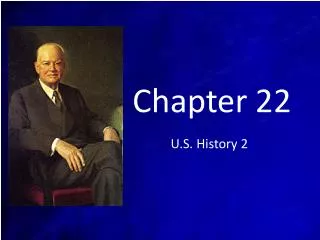
This piece examines Herbert Hoover's approach during the Great Depression (1929-1933). Hoover believed the government should foster cooperation among competing societal interests rather than exert control, emphasizing "rugged individualism." His opposition to direct relief was criticized as the economy worsened, leading to public resentment manifesting in terms like "Hoovervilles" and "Hoover blankets." Despite initiating significant public works projects like the Boulder Dam and backing cooperatives, many viewed his interventions as insufficient. Ultimately, his efforts were seen as too little, too late as economic hardships continued.

E N D
Hoover & The Depression 1929-1933
Hoover’s Philosophy • Government’s chief function • Foster cooperation between competing groups and interests in society • Encourage / facilitate cooperation, not control it • Rugged individualism • People should succeed through their own efforts • Opposed direct relief to the needy • Would weaken people’s strength of character
Criticism of Hoover • As the country’s economic difficulties increased, people turned against Hoover • Farmers acted out • “Hooverisms” • “Hoovervilles” • “Hoover Blankets” • “Hoover Flags • 1930 – Republicans lost control of the House of Representatives and lost their majority in the Senate
Taking Action • Boulder Dam (Hoover Dam) • $700 million public works program • 726 ft high / 1,244 ft long • World’s tallest dam / second largest (at the time) • Provided • Electricity • Flood control • Water supply • Water rights are divided
Taking Action • Backing cooperatives • Federal Farm Board • Helped farmers to raise crop prices • National Credit Corporation • Loaned $ to smaller banks • Direct Intervention (1932) • Federal Home Loan Bank Act • Lowered mortgage rates • Farmers allowed to refinance loans • Reconstruction Finance Corporation (RIC) • Authorized up to $2 billion in emergency financing To little, too late