Epilepsy
Epilepsy is a lifelong brain disorder characterized by recurrent seizures resulting from abnormal electrical activity in the brain. These seizures can manifest in various forms, including primary generalized seizures and partial seizures. Understanding the symptoms, such as confusion and heavy breathing post-episode, is crucial for management. One common type, Juvenile Absence Epilepsy (JAE), typically occurs in adolescents and can be treated effectively with medication. Learning about epilepsy empowers individuals and caregivers to recognize signs and seek appropriate treatment for better quality of life.

Epilepsy
E N D
Presentation Transcript
Epilepsy • By: JC
About epilepsy • A Brain disorder where you would have continued seizures over time • There are many different types of seizures that can affect people in different ways • Epilepsy is a lifelong problem that can affect people in many different ways • The more you learn about epilepsy....The stronger you'll be because you would know some symptoms and signs
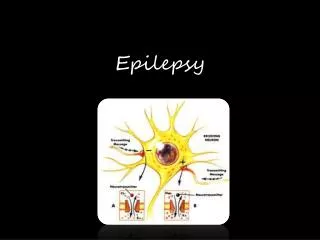
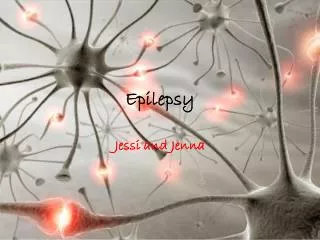
Epilepsy in the brain • It is a disorder of the central nervous system in and near the brain • Nerves throughout the body function like telephone lines. Letting the brain to communicate with every part of the body using electrical signals • A seizure occurs when the brain's nerve cells misfires and generates a sudden, uncontrolled forse of electrical activity in the brain • In epilepsy the brain's electrical rhythms have a tendency to become imbalanced which results in seizures
Some types of Seizures and Epilepsy • Primary generalized seizures- They begin with a a lot of electrical discharges that involves both sides of the brain at once. • Partial seizures- They begin with an electrical discharge in one specific area of the brain. • One type of epilepsy is juvenile absence epilepsy (JAE) they might have a few episodes per day. It normally happens between 10-17 years of age. You can treat it with using the proper medication.
Diagnosis • There are many other disorders that can cause changes in behavior and can be confused with epilepsy • the information given to the doctor about your seizure and or your other health care professionals by you or other witnesses. And is extremely important
Seizures • Seizures are episodes of disturbed brain activity that causes changes in behavior or attention • Your Eyes are normally open when it is happening • You May not appear to be breathing (sometimes) • You might Have Heavy breathing after episode • When you Return to conscious, it will normally happen a few moments after an episode (seizure) • After a general seizure people would most likely be confused • You have smaller seizures when you are younger • Repetitive blinking or other small movements would be present during a seizure