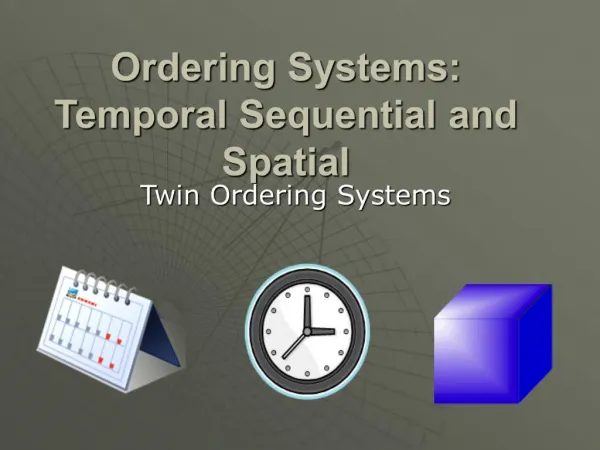
Temporal and Spatial Invasion
This study explores the intricate dynamics of temporal and spatial invasion in forest ecosystems, focusing on factors such as cohort succession, tree density, and microsite variations following disturbances like large fires. We analyze the role of "wolf trees," the impact of crown asymmetry, and the significance of tree allocation in achieving optimal forest conditions. Additionally, we introduce the conifer mixedwood paradigm, addressing competition and regeneration strategies crucial for sustainable forest management and biodiversity.


Temporal and Spatial Invasion
E N D
Presentation Transcript
Generation and ‘a half’ • Field invasion • Large fires • First generation poor wood quality • “wolf trees”
Cohort Cohort = all trees that initiate after a disturbance. Oldest trees in a cohort are those that initiate first; youngest trees are those that initiate just before all growing space is occupied.
Cohorts Number of trees Age
CLUMPINESS • Variable density • Microsite
Stem maps? • Asymmetric crowns • Leaning trees
Including the 3rd dimension • Lower strata can be clumped at a different spatial scale
Scale • Grain size
Random? A B C D E F G H
Basic Stocking and Yield 1.0 Relative Yield 0.0 Stocking
Elements of Regeneration Stocking Basic • Are there enough trees to occupy all of the available growing space? Enhanced • Is the growing space allocated in a manner that we will achieve our desired future forest condition?
Allocation of Growing Space- a more complex case - • Species composition • Species Intermingling • Spatial Pattern • Vertical Structure • Scale • Stand Density
The Conifer Free-Growing Paradigm Not OK OK
The Conifer Free-Growing Paradigm Mixedwoods are a continuum of competitive conditions
C CD DC D New Mixedwood Paradigmfor Regeneration Standards