Understanding Circulation: Blood Flow Dynamics in Systemic and Pulmonary Systems
Explore the intricacies of circulation, covering both systemic and pulmonary blood flow. Learn how arteries, capillaries, and veins work together to transport blood. We'll delve into the anatomy and function of these vessels, the crucial processes of chemical exchange and blood pressure regulation, and the role of the lymphatic system. Discover how factors like cardiac output, peripheral resistance, and external influences affect blood pressure. Understand conditions like hypertension and coronary artery disease and their impact on cardiovascular health.

Understanding Circulation: Blood Flow Dynamics in Systemic and Pulmonary Systems
E N D
Presentation Transcript
Circulation • Both systemic and pulmonary circulation utilize blood vessels to transport blood • Arteries • Capillaries • Veins • The connection between 2 blood vessels is called an anastomosis
Arteries • Smooth muscle under autonomic control • Lined with epithelium • Easy flow • Clot prevention • Chemical secretion • Vasoconstriction • Vasodilation
Arterial Flow • From the heart, blood enters the • Pulmonary artery (lungs) • Aorta (body) • Arteries branch into arterioles • Arterioles branch into capillaries
Capillaries • Extension of arterial lining – simple squamous • Location of material exchange with interstitial fluid • Semipermeable: space between cells • Flow controlled by smooth muscle at anastomosis
Chemical Exchange • Diffusion • Higher concentration of O2, nutrients in blood exit capillaries • Higher concentration of CO2, waste in i.f. enter capillaries
Chemical Exchange • Filtration • Chemicals forced out by hydrostatic pressure • Created by ventricular systole • Pressure is higher at artery end of capillary
Chemical Exchange • Osmosis • Draw water in to counteract the outward hydrostatic force • Still, more fluid exits than enters • Lymphatic system!
Venous Flow • Venules extend from capillaries • Venules merge into veins • Veins merge into vena cavae (systemic) or pulmonary vein • Empty directly into heart to start the process over
Veins • 3 layers, as with arteries, but middle, muscular layer is much less developed
Veins • Some have semilunar valves • Pushed closed in the event of backflow • Sympathetic stimulation of veins can control volume of blood entering hear • Ex: drop in arterial pressure and hemorrhaging vasoconstriction more blood to heart
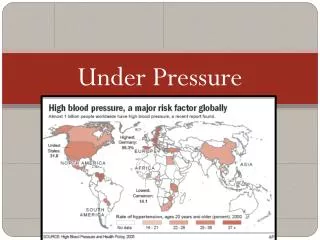
Blood Pressure • BP = the force blood exerts on the inner walls of the blood vessels
Blood Pressure • Varies throughout the CV system • Traditional measured level is in arteries supplied by aortic branches • Systolic = due to ventricular contraction • Diastolic = lowest pressure prior to contraction
Pulse • Artery walls are elastic • The measurable pulse is the expanding and recoiling of artery walls in response to the pressure change • Used to calculate HR • High BP strong, full pulse • Low BP weak, easily compressed
Contributors to BP • Blood Volume • Heart Action: Cardiac Output • Stroke volume x heart rate • Peripheral Resistance • Friction between blood and walls • Viscosity: ease of flow • Drop in cell number or plasma proteins decreases blood pressure (anemia)
Control of BP • Frank-Starling law • Ensures cardiac output is roughly equal to venous return • Utilizes input from baroreceptors • Renin-angiotensin system • Hormone system that regulates blood pressure and fluid retention
RAS • When blood volume is low: • Kidneys secrete renin • Liver produces angiotensin I • Converted to angiotensin II • Constricts blood vessles • Adrenal cortex releases aldosterone kidneys retain more water • Blood Pressure increases
Factors Affecting BP • CO2, O2, H+ • Affect smooth muscle thus affecting peripheral resistance • Chemicals • Nitric oxide, bradykinin: vasodilators • Angiotensin: vasocontrictors
Varying BP • Since BP varies by location – particularly with distance from the heart – the venous end of capillaries have very little pressure So how does the blood get back to the heart?
Venous Circulation • Skeletal muscle contraction: massaging action • Breathing movements • Diaphragm contracts rib cage expands pressure on abdominal cavity blood squeezed out of abdominal veins into thoracic ones • Vasoconstriction
Coronary Circulation • The heart has its own path of blood flow to supply its own muscles • Coronary arteries branch off of aorta • Pressure here is lowest during contraction b/c they are compressed • Branch into capillaries to supply myocardium • Converge into cardiac veins • Veins empty directly into right atrium
Coronary Artery Disease • Any blockage in coronary arteries leads to tissue death • Cardiac muscle cells do not divide • Stem cell differentiation only (injury trigger) • Empty spots refilled by adipose & connective tissue • Result is thickening walls which can increase BP
Aterio vs. Atherosclerosis • Both types of coronary artery disease • Arteriosclerosis: walls of arteries harden and thicken • Atherosclerosis: plaque build up; a type of arteriosclerosis
Hypertension • Persistently elevated arterial pressure • Diet • In some people, high sodium intake causes vasoconstriction • Stress • Obesity • Increases peripheral resistance
Other CV problems • Marfan’s • Connective tissue defect • Enlarged, weakened aorta • Familial Hypercholesterolemia • Lack LDL receptors on liver cells • Cholesterol not filtered out of blood and body is not stopped from making it
Other CV problems • Familial Hypertrophic Cardiomyopathy • Myosin defect • Sudden death in young athletes



![Under Pressure [UP]](https://cdn1.slideserve.com/1707112/slide1-dt.jpg)