SlideServe
Menu
Préférences
© SlideServe · v2026

Cell Structure & Organelle Function

selma avatar
21 diapositives · 2.8K Views · Jul 19, 2014

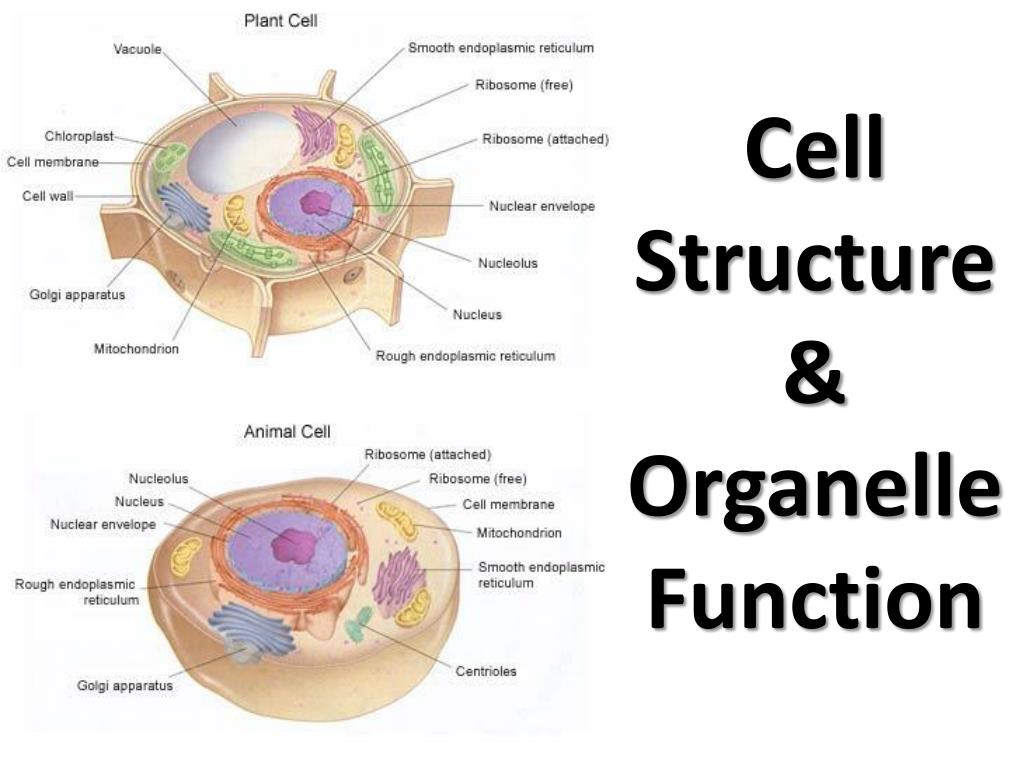
Cell Structure & Organelle Function. What is the Cell Theory?. The cell is the basic unit of structure and function in the human body. It can be specialized to do many things. Main job is to make proteins . Cell Structure.
Cell Structure & Organelle Function - slide 1
01 / 21Cell Structure & Organelle Function
1 / 17

Télécharger la présentation

Cell Structure & Organelle Function
Une image / un lien ci-dessous est fourni (tel quel) pour télécharger la présentation

Politique de téléchargement : le contenu du site vous est fourni TEL QUEL pour votre information et votre usage personnel ; il ne peut être vendu, concédé sous licence ni partagé sur d’autres sites sans l’accord de son auteur.Le contenu vous est fourni TEL QUEL, pour votre information et votre usage personnel uniquement. Téléchargez la présentation en cliquant sur ce lien. Lors du téléchargement, si vous ne parvenez pas à télécharger une présentation, l’éditeur a peut-être supprimé le fichier de son serveur.Pendant le téléchargement, si vous ne parvenez pas à obtenir une présentation, le fichier a peut-être été supprimé par l’éditeur.

F I N

Plus de contenu associé

Transcription de la présentation
  1. Cell Structure&Organelle Function

  2. What is the Cell Theory? • The cell is the basic unit of structure and function in the human body. • It can be specialized to do many things. • Main job is to make proteins.

  3. Cell Structure • Consists of a mass of cytoplasm (jell like insides), within a cell membrane. • Inside the cytoplasm are the organelles.

  4. Cell Structure • Nucleus: (The brain, control center) • Surrounded by a double layer membrane. • Contains the DNA, called Chromatin. • Controls cell activities.

  5. Cell nucleus Nuclear membrane nucleolus chromatin

  6. Cell Structure • Nucleolus: (Ribosome factory) • Found inside the nucleus. • Makes ribosomes.

  7. Cell Structure • Ribosomes: • Protein factory. Makes proteins by taking amino acids and connecting them into chains. ribosome ER

  8. Cell Structure • Endoplasmic Reticulum: (assembly line) • A network of passageways made from membranes that transports proteins around the cell. • Rough ER has ribosomes. • Smooth ER has NOribosomes

  9. Endoplasmic Reticulum (ER)

  10. Cell Structure • Golgi Complex : (UPS of the cell) • A series of saclike membranes where proteins are packaged, stored, and shipped off to their destinations.

  11. Cell Structure • Mitochondria : (power plant of the cell) • Organelle covered by a double membrane, where cellular respiration takes place. Burn sugar (glucose) to make energy (ATP)

  12. Cell Structure • Chloroplasts (solar panels):(plant cells only: Solar Power) • Double membrane sacs that contain Chlorophyll. • It can take light energy and convert it into sugar (glucose) by Photosynthesis.

  13. Cell Structure • Lysosomes (recycle bin): • Vesicles(Sacs) filled with digestive enzymes and acid. They break down andrecycleold organelles in the cell. • Peroxisomes (Germ-X): • Vesicles (Sacs) filled with enzymes that break down toxins in the cell.

  14. Cell Structure • Cytoskeleton : (skeleton of the cell) • A net-like framework that gives the cell its shape. • Composed of threadlike proteins called microfilaments, microtubules.

  15. Cell Structure • Vacuoles: • Stores water and dissolved mineral cells. In plants there is one large central vacuole.

  16. Cell Structure • Cell Wall: • Found only in PLANTS. (found also in prokaryotes/bacteria) • Rigid layer of cellulose outside the membrane that supports plant cells. cell membrane cell wall

  17. Cell Structure • Cell Membrane: (fence around the cell) • Semipermeable barrier that controls what enters and leaves the cell