Download

1 / 13
0 likes | 0 Vues
A concise presentation explaining the differences between ultrasound, CT scan, and MRI, helping patients understand when each imaging test is recommended and how the right choice supports accurate diagnosis.

E N D
Ultrasound vs CT Scan vs MRI Which Imaging Test Is Right for You?
Introduction • Medical imaging helps doctors diagnose and monitor health conditions • Ultrasound, CT scan, and MRI are the most commonly used imaging tests • Each scan works differently and is used for specific medical needs • Understanding these differences helps patients make informed decisions
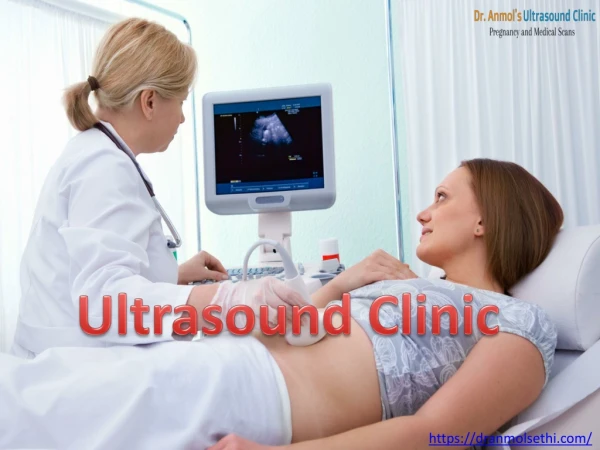
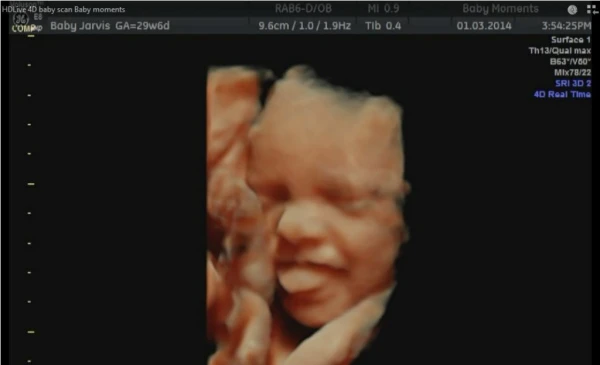
What Is an Ultrasound Scan? • Uses high-frequency sound waves to create images • Does not use radiation • Safe, painless, and non-invasive • Provides real-time imaging of organs and tissues
Common Uses of Ultrasound • Pregnancy and fetal monitoring • Abdominal organs such as liver, kidneys, and gallbladder • Pelvic and gynecological examinations • Thyroid and soft tissue evaluation • Blood flow assessment using Doppler ultrasound
Why Ultrasound Is Often the First Choice • Completely radiation-free • Safe for pregnant women and children • Quick and comfortable procedure • Useful for initial diagnosis and follow-up scans • Widely available and cost-effective
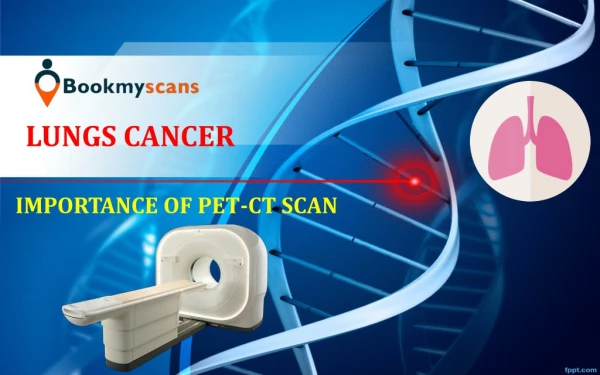
What Is a CT Scan? • CT stands for Computed Tomography • Uses X-rays to produce detailed cross-sectional images • Provides clear views of bones, organs, and blood vessels • Fast imaging, especially useful in emergencies
When a CT Scan Is Recommended • Trauma and accident injuries • Head injury and stroke evaluation • Lung and chest imaging • Detection of fractures, internal bleeding, and tumors • Emergency diagnostic situations
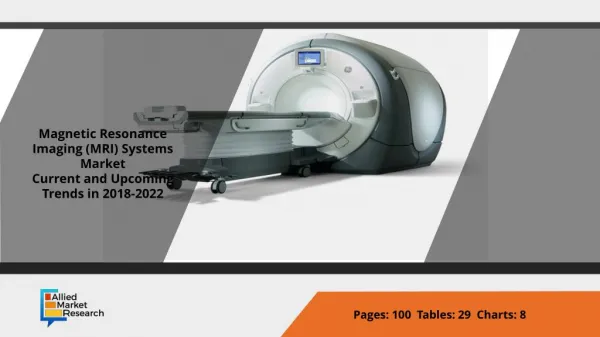
What Is an MRI Scan? • MRI stands for Magnetic Resonance Imaging • Uses magnetic fields and radio waves • Does not use radiation • Produces highly detailed images of soft tissues
When an MRI Is Recommended • Brain and spinal cord conditions • Joint, ligament, and muscle injuries • Neurological disorders • Detailed evaluation of soft tissues and organs • Cancer diagnosis and monitoring
When Is Ultrasound Preferred Over CT or MRI? • When radiation exposure should be avoided • For pregnancy and pediatric imaging • When real-time imaging is required • For routine evaluation and follow-up • As an initial diagnostic test before advanced scans
How Doctors Choose the Right Imaging Test • Patient symptoms and medical history • Area of the body being examined • Urgency of diagnosis • Safety considerations • Need for detailed or real-time imaging
Ultrasound Scan Services in Calicut • Advanced ultrasound imaging available at Dr. Shaji’s MRI Centre • Modern equipment for accurate diagnosis • Experienced radiology professionals • Focus on patient comfort and safety • Reliable support for timely medical decisions
Conclusion • Ultrasound, CT scan, and MRI each serve a specific purpose • Ultrasound is often the safest and most accessible option • CT and MRI provide detailed imaging when required • Choosing the right scan ensures accurate diagnosis and effective treatment