International Strategy Formulation: Key Insights and Recommendations
Join Dr. Satyendra Singh in this comprehensive lecture on International Strategy Formulation. Discover essential processes for balancing pressures from global markets, industry specifics, and country contexts. Explore how multinational corporations (MNCs) navigate complexities of globalization, including trade barriers, cultural nuances, and competitive advantages. Gain insights into multidomestic, regional, and global strategies, with recommendations for effectively managing the strategy formulation process. This lecture is vital for understanding the dynamics of global business landscapes.


International Strategy Formulation: Key Insights and Recommendations
E N D
Presentation Transcript
Welcome to class ofInternationalStrategy FormulationbyDr. Satyendra Singhwww.uwinnipeg.ca/~ssingh5
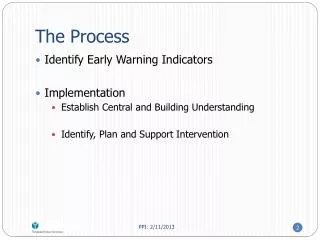
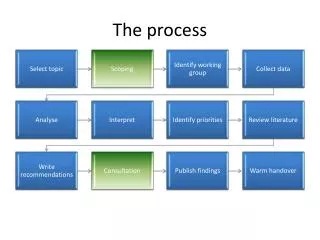
The Process • Balancing pressures • General pressure • Free trade areas, global financial market, advances in communications technology… • Industry-specific Encourage to globalize • Country-specific • Company-specific • International strategy formulation • Mapping of Industries • Mutidomestic, Regional, and Global strategies • Recommendations for managing the process Encourage or discourage
Industry-specific Pressure (+)… • Universal customer needs • People see it, so want it product or services • Irrespective of country of origin! • Even sports • MNCs do not miss out opportunities • Ex. Watches, jeans, pizza, cell phone, computers… • B2B (Industrial) customers • If GM goes international, so do suppliers • Suppliers are expected to respond • Close working relationship • Otherwise suppliers miss out the opportunity
Industry-specific Pressure (+) • High investment intensity • ↑ investment recoup time, $, R&D standardize develop universal appeal • Ex. MACH3 razor, Boeing,… • Amortize development cost through rapid globalization • Cost reduction need • Minimum vol. needed for certain unit cost • Economies of scale (30% domestic + 70% intl.) • Ex. Petroleum industry ↑ production for ↓ price • However, newspaper industry, local content and responsiveness is more important than prod. efficiency
Country-specific Pressure (±)… • Trade barrier (Tariff barrier) • Because governments want • Investments (FDI) jobs, technology, ↑QOL • MNCs to establish autonomous operations • Preserve culture, sovereignty, foreign exchange • In sum, compete thru FDI rather than trade • If a country becomes a trading block • Its competitiveness becomes vital loss of tariff • So governments begin subsidizing local industry • I.e. ,Government resorts to nontariff barrier • Ex. EU, steel; US Sugar…, Production • Ex. Different industry standards: DVD-RAM (Toshiba, DVD-RW (Sharp), DVD+RW (Sony)
Country-specific Pressure (±)… • Cultural differences • Nationalism may deter globalization • Preserve culture and sovereignty • Tradition and religious beliefs run deep • Ex. McDonald in India No beef • Ex. Kelloggs in UAE tested for pork derivatives • Ex. Wrigley’s chewing gum tested and found ok • Local taste • Ex. KFC vs. tandoori chicken in India • Income disparity • People cannot afford • Imitation and Piracy • Microsoft, AutoCAD, SAP software….
Country-specific Pressure (±) • Anti-globalization activities • It is not globalization; if so, it is very limited • High awareness of issues Mecca Cola • Website and fundraising capabilities • Powerful social networking uprising • So MNCs beef up public relations • Ex. Coca-Cola in Africa • Internet – may be no need to go abroad • Strategy shift Intuit income tax software • Competitive advantage vs. core competencies • Cost of maintaining physical structure can be ↑
Company-specific Pressure (±)… • Organizational resistance to change • Justification for globalization (from multidomestic) • CM lose control/autonomy • HO is overestimating the impact of globalization • Ex. GM, Philips, IBM, Nestle all have CM • Union can resist too • Management short supply • Not many cross-culturally competent managers • Personal reason, so no to globalization • Do not wish to travel • Do not wish to be away from families • Region or religion – do not feel safe
Company-specific Pressure (±) • Transportation difficulty • ↓ value-to-weight is not suitable globalization • Ex. Dairy, bread product – short shelf-lives • Ex. Seafood, flowers packaging, refrigeration • Costs may outweigh benefits of globalization • New production technique • JIT within hours of assemble, ↓ holding cost • Flexible manufacturing system • Low set up time, Multiple LOB in single factory • Customization is efficient • Ex. Custom Levi jeans at $10 premium • Integration: Vertical vs. Horizontal
Mapping Industry for Strategy Formulation Globalization moving up; ie.↑ integration quadrant Cement: globalization limited by high weigh to value ratio Globalization and Localization vary from industry to industry
International Strategies… • Multidomestic • Technology and skills are intl, and not product requires adaptation • HO develops product affiliates replicate • Very popular after WWII High tariff • After 80s ↓ Trade barriers Globalization • Regional • Maximize economies of scale at regional level • Homogenous market demand, trading blocks • Stepping stone to full blown global strategy • Local staffing, ↓ turnover, ↑ morale, regional decision-making • Ex GM, Safeway
International Strategy • Global • Maximize intl efficiency, locate activities in low cost countries, standardize product, and manufacture world-class products • ↑ market share if production facility same place • MNCs have bargaining power • Bias the financial results transfer pricing • Control location of technology and skill transfer • Reconfigure value-adding activities between countries • MNCs can move operations elsewhere • Take away jobs, no taxes to governments • So governments want to retain MNCs • Tax break and infra structure support • ↑ investment, ↑ incentive offered
Recommendation for Managing the Process • Invest heavily in data collection • Use multiple data sources, tap external sources and develop internal sources to overcome suspect data • Determine the potential for critical scale economies • Weigh the value of other globalization benefits • Rotate country managers more frequently to help them develop a global vision • Reassess performance measurement system and reward system • Take a balanced approach