
SlideServe
Menu
Préférences
© SlideServe · v2026

Earth Moon Sun Relationships

sofia avatar
26 diapositives · 515 Views · Sep 14, 2014

Earth Moon Sun Relationships. Rotation versus Revolution. Rotation is the turning of a body about an axis. The earth rotates once every 24 hours. Revolution is the motion of one body around another. The earth revolves around the sun once every 364 ¼ days. What is Insolation?.
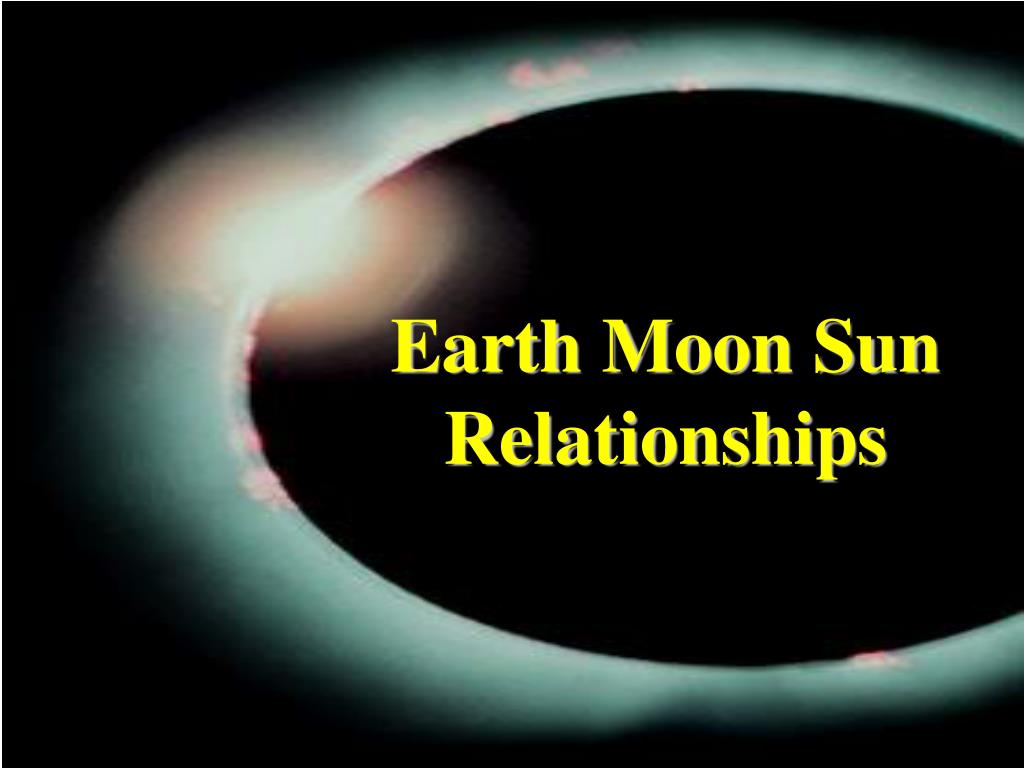
Earth Moon Sun Relationships - slide 1
01 / 26Earth Moon Sun Relationships
1 / 17

Télécharger la présentation

Earth Moon Sun Relationships
Une image / un lien ci-dessous est fourni (tel quel) pour télécharger la présentation

Politique de téléchargement : le contenu du site vous est fourni TEL QUEL pour votre information et votre usage personnel ; il ne peut être vendu, concédé sous licence ni partagé sur d’autres sites sans l’accord de son auteur.Le contenu vous est fourni TEL QUEL, pour votre information et votre usage personnel uniquement. Téléchargez la présentation en cliquant sur ce lien. Lors du téléchargement, si vous ne parvenez pas à télécharger une présentation, l’éditeur a peut-être supprimé le fichier de son serveur.Pendant le téléchargement, si vous ne parvenez pas à obtenir une présentation, le fichier a peut-être été supprimé par l’éditeur.

F I N

Plus de contenu associé

Transcription de la présentation
  1. Earth Moon Sun Relationships

  2. Rotation versus Revolution • Rotation is the turning of a body about an axis. • The earth rotates once every 24 hours. • Revolution is the motion of one body around another. • The earth revolves around the sun once every 364 ¼ days.

  3. What is Insolation? Insolation is the amount of radiation per area that reaches the earths surface. The more direct the suns rays hit the surface, the greater the amount of surface heating.

  4. Examples of Insolation

  5. Why Does the Length of Day on Earth Change? • The tilt of the Earth’s axis, and the rotation and revolution of the Earth is responsible for the changes in the length of day and night.

  6. Equal Day and NightVernal and Autumnal Equinox Sun is directly over the Equator

  7. Longer Days, Shorter NightsIn Northern Hemisphere Sun is directly over the Tropic of Cancer

  8. Shorter Days, Longer Nightsin Northern Hemisphere Sun is directly over the Tropic of Capricorn

  9. Why Do We Have Seasons? • The tilt of the Earth’s axis and the revolution around the Sun cause the Earth to have seasons.

  10. Effects of axis tilt

  11. Effects of revolution

  12. Combined Effects of Tilt and Revolution

  13. Earth’s Seasons - Year

  14. Why Does The Moon Have Phases? • Phases of the moon are determined by: • The relative positions of the earth, moon and sun. • Revolution of moon around the earth. • Your position on the earth.

  15. What is a Solar Eclipse? • A Solar Eclipse is when the Sun is blocked from view by the moon. • The moons orbital path places it in between the earth and the sun.

  16. Phases of a solar eclipse

  17. Solar eclipse, notice solar prominence in carona.

  18. Solar Eclipse

  19. What is a Lunar Eclipse? • A Lunar eclipse is when the moon is blocked by the shadow of the earth. • The moon’s orbital path takes it into the shadow of the earth.

  20. Phases of a Lunar eclipse

  21. Solar versus Lunar Eclipse Note: Solar eclipse = sun blocked; Lunar eclipse = moon blocked