The Evolution of Cloning: From Pets to Biodiesel Innovations
Cloning has transformed agriculture and technology, beginning with the first cloned pet, a cat named Little Nicky, at a hefty cost of $50,000. Pioneered by Ian Wilmut at the Roslin Institute, cloning involves creating genetically identical organisms through non-sexual means. This process has extended beyond pets to include plants and livestock, aiding farmers in enhancing productivity. Additionally, biodiesel, derived from vegetable oil or animal fat through chemical reactions, showcases the continuous innovation in sustainable energy that complements cloning advancements.

The Evolution of Cloning: From Pets to Biodiesel Innovations
E N D
Presentation Transcript
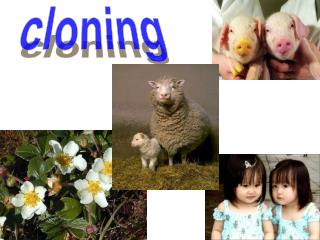
Cloning pets • The first ever cloned pet was a cat named little Nicky. The cost of cloning was approximately $50,000. • The first person that discovered cloning was a man named Ian Wilmot and a man named Roslyn Institute.
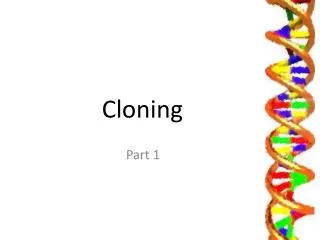
Explanation • Cloning is the process of making a geneti- cally identical organism through non-sexual means. It has been used for many years to produce plants (even growing a plant from a cutting is a type of cloning.)
Biodiesel • Biodiesel is basically made out of vegetable oil and/or animal fat. It is made by chemical reactions with a type of alcohol. It was meant to be used in standard diesel engines. Biodiesel can be used alone or blended with petro diesel.
Cloning farming animals • Cloning farming animals purpose is to help farmers increase the