Understanding Light Sources: The Science Behind Glow Sticks, Neon Lights, and Light Bulbs
Discover the fascinating science behind various light sources, including glow sticks, neon lights, and energy-efficient light bulbs. Glow sticks illuminate through a chemical reaction, creating a vibrant glow. Neon signs utilize illuminated tubes filled with rarefied neon or other gases to produce breathtaking colors. Fire represents the visible aspects of combustion, producing glowing hot gases. Additionally, energy-efficient light bulbs consume less than 20% of the energy used by traditional bulbs and can last up to 15 times longer, making them a sustainable choice for lighting.

Understanding Light Sources: The Science Behind Glow Sticks, Neon Lights, and Light Bulbs
E N D
Presentation Transcript
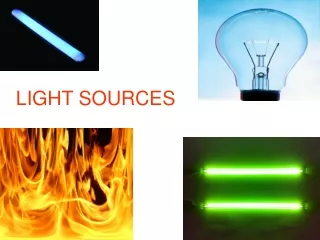
HOW GLOW STICKS WORK? Glow stick light is the result of a chemical reaction.
NION LIGHTS Neon signs are made using electrified, luminous tube lights that contain rarefied neon or other gases.
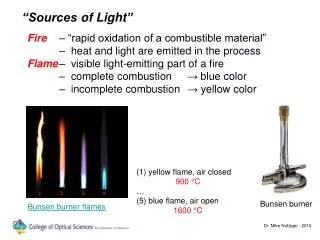
FIRE!!! The flame is the visible portion of the fire and consists of glowing hot gases.
LIGHTBULB Than 20% of Low energy light bulbs use less the energy of a conventional light bulb, and can last up to 15 times longer.