Sensory Integration Therapy
At Speech & Occupational Therapy of North Texas, weu2019ve been providing sensory based therapy for over 20 years, helping children understand and regulate their sensory experiences so they can participate more fully and comfortably in daily activities.


Sensory Integration Therapy
E N D
Presentation Transcript
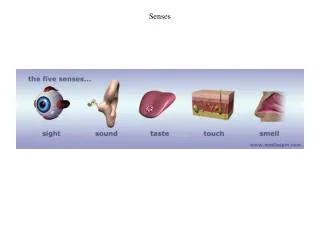
Sensory Integration Therapy Helping Your Child Navigate Their Sensory World with Con?dence Doesyourchildmeltdownoverclothingtags,covertheirearsinloudenvironments, orseemtoconstantlyseekintensephysicalinput?Doeverydayactivitieslike haircuts,teethbrushing,orgroceryshoppingbecomeoverwhelmingexperiencesfor yourfamily?Thesebehaviorsoftenindicatesensoryprocessingdi?erencesthatcan signi?cantlyimpactachild’sdailylife,butthereise?ectivehelpavailable. AtSpeech & OccupationalTherapyofNorthTexas,we’vebeenprovidingsensorybased therapyforover20years,helpingchildrenunderstandandregulatetheirsensory experiencessotheycanparticipatemorefullyandcomfortablyindailyactivities. Understanding Sensory Integration and Processing Sensoryintegrationistheneurologicalprocessbywhichourbrainreceives,organizes, andrespondstosensoryinformationfromourenvironmentandourownbodies.This complexsystemincludesnotjustthe?vesensesmostpeopleknow(sight,sound, smell,taste,touch),butalso: Vestibularsystem:Oursenseofmovementandbalance Proprioceptivesystem:Ourawarenessofwhereourbodyisinspace Interoceptivesystem:Ourawarenessofinternalbodysignals(hunger,thirst,need forbathroom)
Whensensoryintegrationworkssmoothly,childrencanfocusonlearning,playing,andWhensensoryintegrationworkssmoothly,childrencanfocusonlearning,playing,and interactingwithoutbeingoverwhelmedordistractedbysensoryinput.However,when thissystemisn’tworkingoptimally,childrenmaystrugglewithdailyactivitiesthat requireprocessingmultiplesensoryinputssimultaneously. Common Signs of Sensory Processing Dif?culties Over-Responsivity (Sensory Defensiveness) Childrenwhoareover-responsivetosensoryinputmay: Tactiledefensiveness:Avoidmessyplay,refusecertainclothingtextures,resist hairbrushingornailcutting Auditorysensitivity:Coverearsinloudenvironments,becomeupsetbysudden sounds,struggleto?lterbackgroundnoise Visualsensitivity:Squintoravoidbrightlights,becomeoverwhelmedinvisually busyenvironments Movementsensitivity:Fearplaygroundequipment,avoidelevatorsorescalators, becomecarsickeasily Oralsensitivity:Refusecertainfoodtextures,gageasily,avoidteethbrushing Impactondailylife:Thesechildrenoftenappearanxious,avoidant,orcontrollingas theytrytomanageoverwhelmingsensoryexperiences. Under-Responsivity (Sensory Seeking) Childrenwhoareunder-responsivetosensoryinputmay: Seekintensetouch:Crashintofurniture,enjoybearhugs,maynotnoticewhen touchedlightly Cravemovement:Constantlymoving,spinning,jumping,orrocking Seekloudsounds:Makenoise,turnvolumeuphigh,maynotrespondtotheir namebeingcalled Visualseeking:Stareatlights,enjoyspinningobjects,maybefascinatedbyvisual patterns Oralseeking:Chewonclothing,pencils,orinappropriateobjects Impactondailylife:Thesechildrenmayappearhyperactive,aggressive,orinattentive
astheyseekthesensoryinputtheirnervoussystemcraves. Mixed or Fluctuating Responses Manychildrenshowacombinationofover-andunder-responsivity,ortheirresponses mayvaryby: Timeofdayorenergylevel Environmentalfactors(noise,lighting,crowdlevel) Emotionalstate(stressed,tired,excited) Typesofsensoryinput(mayseekproprioceptiveinputwhileavoidingtactileinput) Sensory-Based Motor Dif?culties Somechildrenhaveadequatesensoryprocessingbutstrugglewith: Dyspraxia:Di?cultyplanningandexecutingnewmotortasks Posturalcontrol:Poorcorestrengthandbalancea?ectingseatedactivities Bilateralcoordination:Troubleusingbothsidesofthebodytogethere?ectively Motorplanning:Challengeslearningnewphysicalskillsoradaptingtochanges Our Comprehensive Sensory Integration Assessment Detailed Sensory History Ourevaluationbeginswithunderstandingyourchild’ssensorypro?le: Dailyroutinechallenges:Speci?csituationsthataredi?cultforyourchild Environmentalfactors:Settingswhereyourchildthrivesversusstruggles Familyobservations:Yourinsightsaboutyourchild’ssensorypreferencesand aversions Currentcopingstrategies:Whatcurrentlyhelpsorhindersyourchild’ssuccess Sensory Assessments Weusesensoryevaluationtoolsincluding: SensoryPro?le:Evaluatingsensoryprocessingacrosshome,school,and communitysettings
Clinicalobservations:StructuredactivitiesthatrevealhowyourchildprocessesClinicalobservations:Structuredactivitiesthatrevealhowyourchildprocesses andrespondstosensoryinput Posturalandmovementassessments:Understandingyourchild’smotorcontrol andcoordinationabilities Environmental and Functional Analysis Weobservehowsensoryprocessinga?ects: Academicskillperformance:Attention,handwriting,directionsfollowing Socialinteractions:Communicationandinteractionwithfamilyandtherapist Self-careskills:Dressing,hygiene,feedingindependence Playandleisure:Participationinage-appropriateactivities Familyroutines:Impactondailyactivitiesandfamilydynamics Sensory Integration Treatment Classic Sensory Integration Therapy BasedonDr.A.JeanAyres’ originalresearch,thisapproachuses: Sensory-richactivities:Providingcontrolledsensoryexperiencesthatchallenge andorganizethenervoussystem Child-directedexploration:Followingyourchild’sleadwhileprovidingtherapeutic guidance Just-rightchallenge:Activitiesthatarechallengingenoughtopromoteneural changebutachievableenoughtomaintainengagement Multi-sensoryexperiences:Combiningtactile,vestibular,andproprioceptiveinput formaximumtherapeuticbene?t Environmental Modi?cations and Adaptations Wehelpfamiliescreatesensory-supportiveenvironments: Homemodi?cations:Lighting,sound,texture,andorganizationchangesthat supportyourchild Communitystrategies:Preparingforchallengingenvironmentslikerestaurants, stores,orevents Sensorytoolsandequipment:Recommendingspeci?cproductsthatsupport regulation
Self-Regulation Strategies Teachingchildrentounderstandandmanagetheirsensoryneeds: Sensoryawareness:Helpingchildrenrecognizetheirsensorypreferencesand triggers Copingstrategies:Teachingspeci?ctechniquesformanagingsensoryoverloador seekinginput Sensorydiets:Individualizedactivitiesandstrategiesthroughoutthedayto maintainoptimalarousal Sensory-Motor Skill Development Addressingmotorchallengesthatstemfromsensoryprocessingdi?culties: Posturalcontroltraining:Buildingcorestrengthandstabilityforseatedactivities Bilateralcoordination:Developingsmoothuseofbothsidesofthebody Motorplanningactivities:Breakingdowncomplextasksintomanageable components Finemotorintegration:Combiningsensoryawarenesswithprecisehand movements What to Expect: From First Visit to Progress Your First Visit – Sensory Assessment Before you arrive: Completedetailedsensoryhistoryquestionnairesabouthome,school,and communitybehaviors Gatheranypreviousevaluationsfromschools,doctors,orothertherapists Preparealistofyourbiggestconcernsandgoalsforyourchild During the evaluation (typically 1 hour): Parentinterview:Discussionofsensorypatterns,dailychallenges,andfamily priorities Clinicalobservations:Structuredactivitiestoobservesensoryresponsesand motorskills
Environmentalassessment:DiscussionofsettingswhereyourchildsucceedsorEnvironmentalassessment:Discussionofsettingswhereyourchildsucceedsor struggles Functionalactivityanalysis:Understandinghowsensoryprocessinga?ectsdaily tasks After the evaluation: Writtenreportwithinoneweek Treatmentplandevelopmentwithprioritizedgoalsandstrategies Initialsensorystrategiestobeginsupportingyourchildathomeimmediately Regular Sensory Based Therapy Sessions Session structure (typically 45-60 minutes): Sensorypreparation:Activitiestoprepareyourchild’snervoussystemforlearning Motorskillintegration:Combiningsensoryinputwithpurposefulmovement activities Self-regulationpractice:Teachingandpracticingcopingstrategiesandsensory awareness Parentcoaching:Real-timeguidanceonsupportingsensoryneedsathome What your child will experience: Fun,play-basedactivitiesthatprovidetherapeuticsensoryinput Respectfortheirsensorypreferenceswhilegentleexpansionofcomfortzones Opportunitiestopracticeself-regulationandcopingstrategies Success-orientedchallengesthatbuildcon?denceandcompetence Asafe,predictableenvironmentdesignedtosupportsensoryprocessing Measuring Sensory Integration Progress How we track improvement: Behavioralobservations:Documentationofresponsestosensoryexperiencesover time Functionalskilldevelopment:Measuringimprovementsindailyactivitiesa?ected bysensoryprocessing Self-regulationabilities:Trackingyourchild’sabilitytomanagesensorychallenges independently Environmentalparticipation:Assessingcomfortandsuccessinpreviously
challengingsettings Familyqualityoflife:Evaluatingreducedstressandincreasedparticipationin familyactivities What progress looks like: Increasedtoleranceforpreviouslyavoidedsensoryexperiences Betterself-regulationduringchallengingsituations Improvedparticipationindailyactivitiesandroutines Enhancedmotorskillsandcoordination Greaterindependenceinmanagingsensoryneeds Reducedfamilystressaroundsensory-challengingactivities Specialized Approaches for Different Needs Autism Spectrum Disorders Childrenwithautismoftenhavecomplexsensorypro?lesrequiring: Individualsensorypreferences:Understandinguniquepatternsofseekingand avoiding Communicationadaptations:Usingvisualsupportsandclearexpectationsduring therapy Routineandpredictability:Structuredsessionsthathonorneedforsameness whilepromotinggrowth Socialsensorychallenges:Addressinghowsensoryprocessinga?ectspeer interactions ADHD and Attention Challenges Sensoryprocessingdi?erencesoftencontributetoattentiondi?culties: Alertnessregulation:Activitiesthatpromoteoptimalarousalforlearningand attention Environmentalmodi?cations:Reducingdistractingsensoryinputinlearning environments Movementintegration:Incorporatingappropriatemovementtosupportfocusand attention Executivefunctionsupport:Connectingsensoryawarenesstoplanningand
organizationskills Anxiety and Emotional Regulation Sensoryprocessingchallengesoftencontributetoanxietyandemotional dysregulation: Stressreductionstrategies:Teachingtechniquestomanagesensoryoverload beforeitbecomesoverwhelming Emotionalawareness:Connectingsensoryexperiencestoemotionalresponses Copingskilldevelopment:Buildingatoolkitofstrategiesfordi?erentsensory challenges Environmentalpredictability:Creatingsensory-supportiveenvironmentsthat reduceanxiety Family-Centered Sensory Support Comprehensive Parent Education Webelievefamiliesareessentialpartnersinsensoryintegrationsuccess: Understandingyourchild’ssensorypro?le:Learningtorecognizepatternsand triggers Homeenvironmentalmodi?cations:Simplechangesthatcanmakeasigni?cant di?erence Dailyroutineadaptations:Incorporatingsensorystrategiesintoexistingactivities Advocacyskills:Supportingyourchild’ssensoryneedsinschoolandcommunity settings Siblingandfamilysupport:Helpingeveryoneunderstandandsupportyourchild’s needs Ongoing Family Support Crisismanagementstrategies:Whattododuringsensorymeltdownsor overwhelmingsituations Long-termplanning:Adaptingstrategiesasyourchildgrowsandtheirneeds change Celebratingprogress:Recognizingandbuildingonyourchild’ssensoryintegration successes
Frequently Asked Questions General Questions HowdoIknowifmychildhassensoryprocessingissues?Considersensory integrationtherapyifyourchildshowsextremereactionstoeverydaysensory experiences,avoidsorexcessivelyseekscertainsensations,hasfrequentmeltdowns insensory-richenvironments,orstruggleswithactivitiesthatseemeasyforother childrentheirage. What’sthedi?erencebetweensensoryprocessingdisorderandautism?Sensory processingchallengescanoccurindependentlyoraspartofotherconditionslike autism,ADHD,oranxiety.Whilemanychildrenwithautismhavesensoryprocessing di?erences,manychildrenwithsensoryprocessingchallengesdonothaveautism.A comprehensiveevaluationcanhelpclarifyyourchild’sspeci?cpro?le. Willmyinsurancecoversensoryintegrationtherapy?Coveragevariesbyinsurance planandistypicallycoveredwhenprovidedaspartofoccupationaltherapyservices. We’renetworkprovidersformajorinsuranceplansandwillverifyyourspeci?c bene?ts.Someplansmayrequiredocumentationofhowsensoryprocessinga?ects dailyfunctioning. About Treatment Howlongdoessensoryintegrationtherapytake?Treatmentdurationvariesbasedon yourchild’sindividualneedsandgoals.Somechildrenmakesigni?cantprogressin6- 12months,whileothersmaybene?tfromlonger-termsupport.Weregularlyassess progressandadjusttreatmentintensityandfocusaccordingly. Issensoryintegrationtherapyappropriateformyyoungchild?Yes!Earlyintervention isoftenmoste?ective.Weadaptourapproachfordi?erentages,usingplay-based activitiesforyoungerchildrenandmorestructured,goal-orientedactivitiesfor school-agechildrenandteens. Whatifmychildisresistanttosensoryexperiences?Wealwaysrespectyourchild’s comfortlevelandneverforceparticipationinactivities.Ourtherapistsareskilledin graduallybuildingtoleranceandhelpingchildrenfeelsafewhileexploringnew
sensoryexperiences.Resistanceoftendecreasesastrustbuildsandnervoussystemsensoryexperiences.Resistanceoftendecreasesastrustbuildsandnervoussystem regulationimproves. Cansensoryintegrationtherapyhelpwithbehaviorproblems?Yes!Manychallenging behaviorsstemfromsensoryprocessingdi?culties.Whenchildren’ssensoryneeds areunderstoodandsupported,behavioralchallengesoftenimprovesigni?cantly.We addresstheunderlyingsensorycausesofbehavioralresponses. Home and Daily Life Support HowcanIsupportmychild’ssensoryneedsathome?Weprovidespeci?cstrategies basedonyourchild’ssensorypro?le.Thismightincludeenvironmentalmodi?cations, sensoryactivitiesthroughouttheday,timingadjustmentsforchallengingtasks,and toolsorequipmentthatsupportregulation. WhatshouldIdoduringasensorymeltdown?Staycalm,ensuresafety,andavoid overwhelmingyourchildwithtoomuchinputordemands.Preventionthrough environmentalawarenessandsensorypreparationisoftenmoste?ective. HowdoIexplainmychild’ssensoryneedstoothers?Weprovideeducationand resourcestohelpyouadvocateforyourchild.Simpleexplanationslike “loudsounds hurtherears” or “heneedsmovementtohelphisbodyfeelcalm” canhelpothers understandandaccommodateyourchild’sneeds. School and Community Concerns Willsensorybasedtherapyhelpmychildatschool?Absolutely!Bettersensory processingoftenleadstoimprovedattention,reducedbehavioralchallenges,better handwriting,andincreasedparticipationinclassroomactivities.Wecanprovide speci?cschoolrecommendationsandworkwitheducationalteams. Canmychildparticipateinnormalactivitiesandsports?Yes!Thegoalofsensory integrationtherapyistohelpchildrenparticipatemoresuccessfullyintypical childhoodactivities.Weoftenworkonbuildingtoleranceandskillsforspeci?c activitiesyourchildwantstojoin. Whataboutsensorychallengesduringfamilyoutings?Weprovidespeci?cstrategies forchallengingenvironmentslikerestaurants,stores,amusementparks,andfamily
gatherings.Preparation,environmentalmodi?cations,andhavingaplancanmakegatherings.Preparation,environmentalmodi?cations,andhavingaplancanmake familyactivitiesmuchmoreenjoyableforeveryone. Advanced and Specialized Questions Doyouuseasensorygymorspecialequipment?Yes!Ourclinicsareequippedwith sensorybasedequipmentincludingswings,climbingstructures,tactilematerials,and othertherapeutictoolsdesignedtoprovidespeci?ctypesofsensoryinputin controlledways. What’stheresearchbehindsensoryintegrationtherapy?Sensoryintegrationtherapy isbasedondecadesofresearchbeginningwithDr.A.JeanAyres.Currentresearch continuestosupportthee?ectivenessofsensoryintegrationapproaches,particularly whenprovidedbytrainedoccupationaltherapistsusingevidence-basedmethods. Sensory Equipment and Environment Specialized Therapeutic Equipment Oursensorybasedtherapyroomsinclude: Suspendedequipment:Variousswingsandhammocksprovidingvestibularand proprioceptiveinput Climbingandmovingsurfaces:Opportunitiesformotorplanningand proprioceptivefeedback Tactilematerials:Varietyoftexturesandmaterialsforsensoryexploration Heavyworkequipment:Toolsforprovidingorganizingproprioceptiveinput Regulationspaces:Quietareasforself-regulationandsensorybreaks Sensory-Supportive Environment Ourtherapyspacesaredesignedto: Providecontrolledsensoryexperiences Minimizeoverwhelmingordistractinginput O?erchoicesandmodi?cationsbasedonindividualneeds Createpredictable,safespacesforsensoryexploration Supportbothsensoryseekingandsensorysensitivechildren
Success Stories and Outcomes Whileeverychild’ssensoryintegrationjourneyisunique,ourfamiliesconsistently reportimprovementsin: Reducedsensory-relatedmeltdownsandbehavioralchallenges Increasedparticipationindailyactivitiesandfamilyroutines Betterself-regulationandcopingwithsensorychallenges Improvedschoolperformanceandclassroomparticipation Enhancedmotorskillsandcoordination Greatercon?denceintryingnewactivitiesandenvironments Improvedsleeppatternsanddailyroutinetransitions Enhancedpeerrelationshipsandsocialparticipation Take the First Step Toward Sensory Success Ifyourchildisstrugglingwithsensoryprocessingchallenges,earlyinterventioncan makeasigni?cantdi?erenceintheirdailycomfortandsuccess.Don’twaittoseek supportforbehaviorsthatareimpactingyourchild’sabilitytoparticipatefullyinlife. Ready to understand your child’s sensory world? Call us at (972) 424-0148 to: Scheduleacomprehensiveevaluation Discussyourchild’sspeci?csensorychallengesandbehaviors Learnaboutoursensorybasedtherapyapproaches Verifyyourinsurancebene?tsandcoverageoptions Connectwithourexperiencedoccupationaltherapists Wondering if sensory based therapy could help your child? Consider these questions: Doesyourchildhaveextremereactionstoeverydaysensoryexperiences? Arecertainactivitiesconsistentlychallenging(haircuts,clothing,loudplaces)? Doesyourchildseekoravoidsensoryinputinwaysthatseemunusual? Aredailyroutinesdi?cultduetosensorysensitivitiesorneeds? Doyoususpectunderlyingsensoryissuesarea?ectingbehaviororlearning? Hasyourchildbeendescribedas “oversensitive” or “sensoryseeking”?
Ifyouanswered “yes” toanyofthesequestions,asensorybasedevaluationcould providevaluableinsightsande?ectivestrategies. Notsurewheretostart?Ourexperiencedtherapyteamunderstandsthatnavigating sensoryprocessingchallengescanfeeloverwhelming.We’reheretolistentoyour observations,answeryourquestions,andhelpyouunderstandhowsensorybased therapymightsupportyourchildandfamily.Everyconversationbeginswithvalidating yourexperiencesandunderstandingyourchild’suniquesensorypro?le. AtSpeech & OccupationalTherapyofNorthTexas,webelieveeverychilddeservesto feelcomfortableandcon?dentintheirsensoryworld.Fromreducingoverwhelming sensoryexperiencestobuildingself-regulationskillstoenhancingparticipationin dailyactivities,we’recommittedtohelpingyourchildnavigatetheirsensoryworld withgreatereaseandsuccess. Proudly serving families throughout North Texas from our locations in Frisco, McKinney, and Plano since 2001.
Speech & Occupational Therapy of North Texas Clinic Locations in Frisco, McKinney & Plano – and Serving the Surrounding Communities. Plano Clinic Location 141014thStreet Plano,Texas75074 Phone(972)424-0148 Fax(972)422-5275
Frisco Clinic Location 3880ParkwoodBlvd,Building5,Suite502 Frisco,Texas75034 Phone(972)424-0148 McKinney Clinic Location 2240BushDrive,Suite200 McKinney,Texas75070 Phone(972)424-0148 ©2025Speech & OTofNorthTexas-AllRightsReserved. SitebyNorthTexasWebDesign