Understanding the Difference Between "Yes" and "No" in Media Literacy
This presentation explores the distinction between "yes" and "no" in the context of media literacy. The "yes" slide showcases diverse media types, illustrating how communication influences audiences. Media encompasses various means of conveying information that can reach and impact people widely. Engage with interactive activities to identify different media types and enhance your media literacy. Learn to critically evaluate advertisements by asking essential questions about the creation, purpose, audience perception, omissions, and attention-grabbing techniques.

Understanding the Difference Between "Yes" and "No" in Media Literacy
E N D
Presentation Transcript
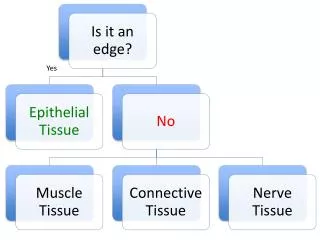
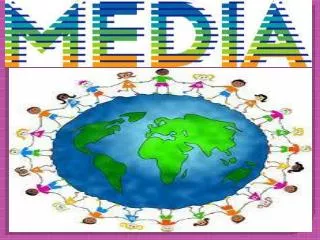
Media The “yes” slide is filled with images that show different types of media! In general, "media" refers to various means of communication, that reach or influence people widely.
Recreate the following image in your notebook. In the rectangles surrounding the word media, fill in some of the different types of media
Check out the following link and see media literacy at a glance http://www.youtube.com/watch?v=5v6uG4-lNLo
Take a minute and read this ad (on the following slide). To truly read this ad we need to be media literate, being media literate means asking questions like the following: Who made the message and why? Who is the message for? How might others view the message differently? What is left out of the message? How does the message get and keep my attention?