Treatment of Panic Disorder Lecture Overview. Nature and epidemiology Etiology Empirically-supported treatments Efficacy data Moderator variables Class discussion. Epidemiology of Panic Disorder. Defining features Unexpected panic attacks. Distinguishing Features of Panic Attacks.
01 / 68Treatment of Panic Disorder Lecture Overview
1 / 17
Télécharger la présentation
Treatment of Panic Disorder Lecture Overview
Une image / un lien ci-dessous est fourni (tel quel) pour télécharger la présentation
Politique de téléchargement : le contenu du site vous est fourni TEL QUEL pour votre information et votre usage personnel ; il ne peut être vendu, concédé sous licence ni partagé sur d’autres sites sans l’accord de son auteur.Le contenu vous est fourni TEL QUEL, pour votre information et votre usage personnel uniquement.Téléchargez la présentation en cliquant sur ce lien.Lors du téléchargement, si vous ne parvenez pas à télécharger une présentation, l’éditeur a peut-être supprimé le fichier de son serveur.Pendant le téléchargement, si vous ne parvenez pas à obtenir une présentation, le fichier a peut-être été supprimé par l’éditeur.
Treatment of Panic DisorderLecture Overview • Nature and epidemiology • Etiology • Empirically-supported treatments • Efficacy data • Moderator variables • Class discussion Behavior Therapy Class
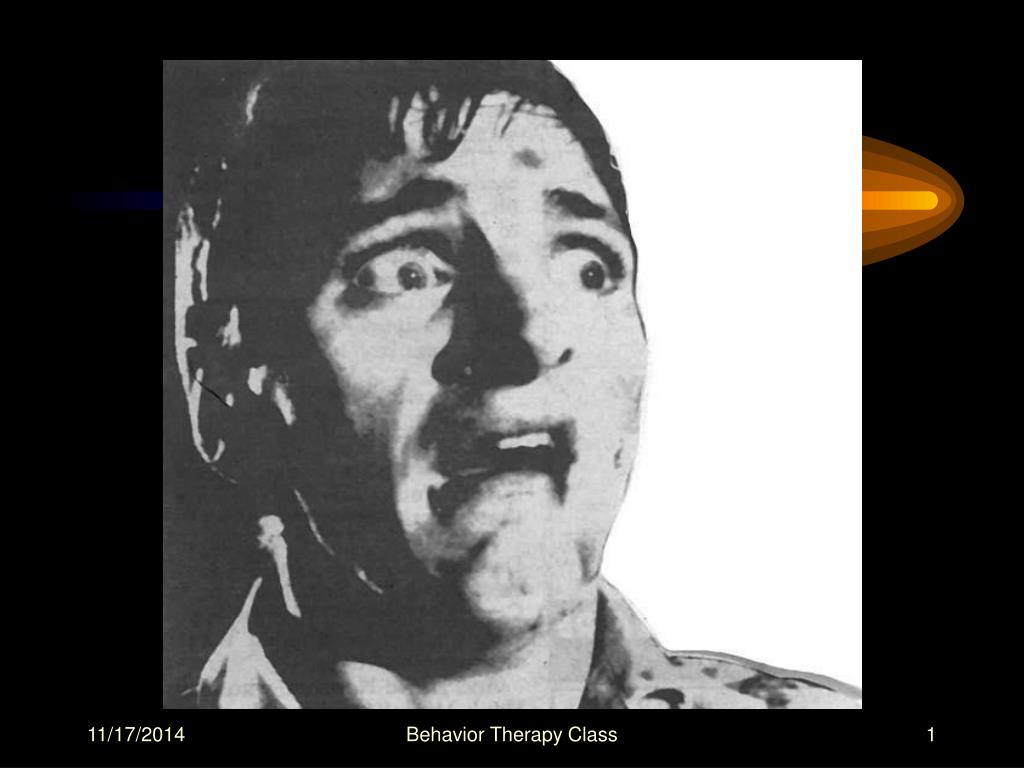
Distinguishing Featuresof Panic Attacks • Intensity • Sudden onset • Unexpected nature • *Urge to flee • Feeling of impending doom • Four or more “key symptoms” Behavior Therapy Class
Panic Attack Symptoms • Shortness of breath or smothering sensations • Dizziness or unsteadiness • Heart racing or pounding • Trembling or shaking • Sweating • Feelings of choking (feeling throat constrict) Behavior Therapy Class
Panic Attack Symptoms Cont. • Nausea or abdominal distress • Numbness or tingling sensations • Chest pain or discomfort • Feelings of unreality • Feeling of dying • Feeling of going crazy or losing control Behavior Therapy Class
Epidemiology of Panic Disorder • Defining features • Panic-related apprehension • Persistent worry about having more attacks • Unrealistic concern about the consequences of panic attacks • Changes in behavior to cope with fear of mpanic (safety behaviors) Behavior Therapy Class
Panic-Related Appraisals(Telch et al, 1989) • Perceived negative consequences of panic attacks • Physical • Social • Loss of control/mental illness • *Functional incapacitation Behavior Therapy Class
Panic-Related Appraisals(Telch et al, 1989) • Overestimate the likelihood of panic occurrence • Underestimate one’s ability to cope with panic • Exaggerate the negative consequences of panic attacks Behavior Therapy Class
Epidemiology of Panic Disorder • Prevalence • General population…………………. 3.5%* • Primary care………………………… 6 - 10% • Cardiologists………………………… 30-50% • Gender Distribution • 2 to 1 Women for PD uncomplicated • 4 to 1 Women for PD with agoraphobia *Data from the National Comorbidity Study - Kessler et al, (1994) Behavior Therapy Class
Epidemiology of Panic Disorder • Onset and course • Onset occurs early to mid 20s • Course is chronic Behavior Therapy Class
Consequences of Panic Disorder • Over utilization of medical services • Work social, and family disability • Substance abuse • Depression • Agoraphobia Behavior Therapy Class
“Men are disturbed not bythings but by the views which they take of them”(Epictetus, 60 A.D.)“Meanings are not determined by situations, but we determine ourselves by the meanings we give to situations”(Adler, 1931) Behavior Therapy Class
Cognitive Model of Panic(Clarke, 1986) • Panic stems from a catastrophic misinterpretation of benign bodily sensations • Treatment is aimed at correcting the patient’s tendency to misperceive benign bodily sensations as threatening. Behavior Therapy Class
Major Treatment Components of CBT for Panic Disorder • Education • Major Aim: • Provide information to enhance the patient’s knowledge concerning anxiety and panic and to reduce misconceptions that anxiety/panic are dangerous. • Strategy: • Didactic instruction and hand-outs Behavior Therapy Class
Major Treatment Components of CBT for Panic Disorder • Breathing retraining • Major Aim: • Teach the patient a coping skill that can be used to: (a) prevent hyperventilation and (b) manage anxiety • Strategy: • Training in diaphragmatic breathing Behavior Therapy Class
Major Treatment Components of CBT for Panic Disorder • Cognitive restructuring • Major Aim: • Teach patients to identify and correct faulty threat perceptions that are maintaining their panic/anxiety. • Strategy: Cognitive therapy techniques Behavior Therapy Class
Targets for Cognitive Intervention in Panic Disorder • Faulty beliefs about physical sensations • Overestimations in the likelihood of panic occurrence • Faulty beliefs about the the consequences of anxiety or panic • Faulty beliefs about coping strategies (e.G., Safety behaviors) • Faulty beliefs about CBT (e.g., treatment is designed to bring on panic attacks) Behavior Therapy Class
Connexion au compte
Connectez-vous pour publier votre contenu sur SlideServe.