Collaborative Care for Polytrauma Patients: Impact on Mental Health and Social Functions
This resource discusses the effects of polytrauma on mental health, emotional stability, and social interactions, emphasizing the importance of collaboration among healthcare professionals such as speech pathologists, physical therapists, psychiatrists, and social workers. It highlights best practices for sharing information while adhering to HIPAA regulations, ensuring patient privacy, and improving treatment outcomes. The potential benefits and pitfalls of interdisciplinary cooperation are examined, with strategies to avoid common challenges, enhancing patient care and optimizing resource usage.


Collaborative Care for Polytrauma Patients: Impact on Mental Health and Social Functions
E N D
Presentation Transcript
Polytrauma can effect • Mental Health • Social interactions, relationships • Emotional stability • Physical Body • Multiple organs or systems
Possible Involved Professionals • Speech and Language Pathologists • Physical Therapists • Psychiatrists • Social Workers, Family Counselors • Vocational Rehabilitation Counselors • Medical, e.g. • Audiologist, neurologist, pain specialist, prosthetic specialist, gastroenterologists, ENT, cardiologists, orthopedists, vein specialists, etc.
Best Practices • Accurate, detailed information shared in a timely manner- to improve patient outcomes • HIPAA and privacy ethics closely followed
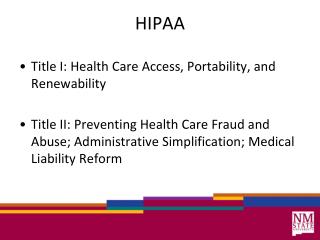
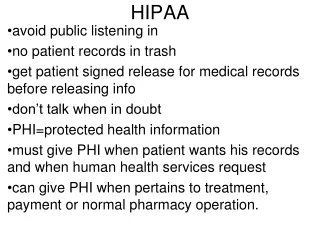
HIPAA • Protects “individually identifiable health information” • Name, address, DOB, SSN, etc. • Regardless of media: e.g. electronic, paper, verbal, etc. • Past, present and future • Physical/mental health status, condition, diagnosis, etc.
“Covered Entity” • Provide or pay for medical/mental health care • Must have a “written authorization” to disclose protected information • Cannot base payment or treatment on getting authorization to release information • Must make reasonable efforts to disclose only minimum information, only as needed
Penalty for noncompliance • $50,000 per offense • Criminal penalties up to $250,000 • Up to 10 years in prison
Exceptions • Limited data set for research purposes • Public interest • E.g. disease reporting (CDC) • Imminent harm • Self • others
Collaboration Necessary for best possible outcomes
Potential Benefits • Information sharing • Uniform treatment • Scheduling • Not wasting resources by overlapping or duplicating services • Filling gaps in service
Potential Benefits Continued… • Boundary Spanning • New and creative solutions • Innovation • Interactive and synergistic • Knowledge management/sharing • Using something that works in one field in another
Potential Pitfalls • Difficult to develop and maintain collaboration • Reduction of individual effort: “social loafing” • Conformity/obedience • Groupthink • Risky Shift or Group Polarization • Privacy: share only “need to know” info • Devaluing input from “lesser professionals” • Not clearly identifying roles and boundaries
To Avoid Pitfalls • Each professional understand and respect others expertise and “value” to team • Respect patient’s autonomy: let him/her govern care to extent possible • Collaborate frequently • Transfer information to other professionals as patient moves (e.g. “back home” after being in a military hospital)