Download

1 / 0
Understanding Budgeting and Financial Institutions: Balancing Accounts and Managing Finances
0 likes | 120 Vues
This comprehensive guide explores the importance of budgeting and managing financial accounts. It addresses essential questions such as why it's crucial to balance a checking account and the consequences of having or lacking a budget. Additionally, we delve into financial institutions, their purposes, and the various types, focusing on commercial banks like Wells Fargo. Learn the right budgeting methods to achieve financial stability and the role of financial institutions in facilitating sound financial practices.

Télécharger la présentation 
Understanding Budgeting and Financial Institutions: Balancing Accounts and Managing Finances
An Image/Link below is provided (as is) to download presentation
Download Policy: Content on the Website is provided to you AS IS for your information and personal use and may not be sold / licensed / shared on other websites without getting consent from its author.
Content is provided to you AS IS for your information and personal use only.
Download presentation by click this link.
While downloading, if for some reason you are not able to download a presentation, the publisher may have deleted the file from their server.
During download, if you can't get a presentation, the file might be deleted by the publisher.
E N D
Presentation Transcript
-
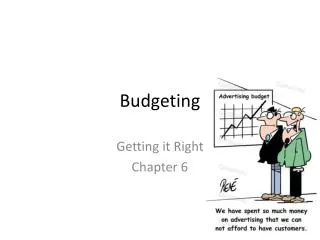
Budgeting
- Essential Questions Why is it important to balance a checking account? What are the consequences of having (or not having) a budget? What is the right way to budget?
-
Financial Institutions
- Purposes
- Types of Financial Institutions Commercial Banks (ex. Wells Fargo) Savings and Loan Associations Credit Unions (ex. America First Credit Union) Internet Banks (ex. Ally Bank) Mutual Fund Companies Brokerage Firms
- Why we have them To not carry as much cash Security FDIC: Federal Deposit Insurance Corporation NCUA: National Credit Union Administration Credit/Loans Investment returns Convenience Spending Plan Tool- helps track where the money goes
- Services Offered Money Transfers Credit Cards Debit Cards Loans ATMs Stored Value Cards Online Banking Direct Deposit
- Basics of a Checking Account
- Comparison Shopping Not all checking accounts are created equal. Things to consider: Services Location of ATMs Banking hours Minimum balance required Minimum transactions or limits Interest-bearing accounts? Costs Non-primary bank ATM transactions Per-check fees In-branch transaction fees Overdraft protection Printing of checks
- Opening an Account Need proof of who you are Minimum balance
- OPENING A CHECKING ACCOUNT 11 Slide 1 – Opening a Checking Account Lesson Reference: Basic Banking Services, Activity 4 – Handout 1
- Slide 2 - Commonly Accepted Forms of IDLesson Reference: Basic Banking Services, Activity 4 – Handout 2 COMMONLY ACCEPTED FORMS OF ID Primary ID* Photo Driver’s License issued within the U.S. or Canada State Non-Driver Photo ID Photo Learner’s Permit Government Photo ID U.S. Passport Non-U.S. Passport Resident Registration Card Mexican Consular ID (Matricula Consular) Naturalization Certificate Employee Photo ID (from a recognizable employer) Photo Trade License (barber, plumber, electrician, etc.) Student Photo ID (college/trade school) Medicare Card (must be 65 or older) * Financial institutions' ID requirements may differ; check with the institution first before applying for an account. 12
- Slide 3 - Commonly Accepted Forms of IDLesson Reference: Basic Banking Services, Activity 4 – Handout 2 COMMONLY ACCEPTED FORMS OF ID Secondary ID* Pay Stub Car Registration Mortgage Statement Letter of Introduction from Bank, Embassy, or well-known Employer Welfare Card Supplemental Health Insurance Card Foreign Driver’s License State/Local Gun Permit Utility Bill (Name and address of individual account should be listed) Current Bank Statement National Credit Card Bank-issued Debit or Check Card * Financial institutions' ID requirements may differ; check with the institution first before applying for an account. 13
- THE PATRIOT ACT Congress passed the PATRIOT Act in response to the terrorist attacks of September 11, 2001. Financial institutions are now required to collect certain information when a new account is opened. 1. The customer must provide identification that includes name, date of birth, address, and identification number. 2. The institution must maintain a copy of the information used to verify the person’s identity. 3. The institution must determine whether the applicant appears on the lists of known or suspected terrorists or terrorist organizations. 14 Slide 4 – The PATRIOT Act Lesson Reference: Basic Banking Services, Activity 4 – Overhead 1
- SIGNATURE AUTHORIZATION CARD 15 Slide 5 – Signature Authorization Card Lesson Reference: Basic Banking Services, Activity 4 – Handout 3
- Terms to Know Bank statement Cancelled Check Endorsement Fee Interest Minimum Balance Overdraft Protection Transaction Limits
- Terms to Know Bank statement- monthly record of all account activity Cancelled Check- a check that has been stamped to show it has been deposited (or cashed) and taken out of another’s account Endorsement- signing a check for deposit Fee- charges for certain bank services Interest- money paid to savers Minimum Balance- requirement to keep a certain amount in an account Overdraft Protection- an agreement to transfer funds from another account to a checking account to cover insufficient funds Transaction Limits- maximum number of transactions allowed before incurring a fee
- How it Works You must put a minimum balance in to open an account Services offered depend on the financial institution Allows you to access your money at any time using checks, debit card, or ATM
- Debit Card Plastic card that looks like a credit card Electronically connected to a bank account Money is automatically taken from the bank account when purchases are made Requires a PIN (personal identification number) Confirms the user is authorized to access the account
- Debit Card Account Number—Links all purchases made with the card to a designated bank account Expiration Date— The debit card is valid and may be used until this date Cardholder’s Name— The cardholder’s full name is written out and displayed. Magnetic Strip— When the debit card is swiped, the magnetic strip automatically withdraws funds from the cardholder’s account.
- Debit Card Authorized Signature— Sign in the signature box on the back of the debit card to authorize payments Should also write, “See ID” in the signature box Ensures the person using the card is authorized to do so Verification Number—This three digit code is located on the back of the card in the signature area Help ensure the card is in the cardholder’s possession when making purchases Prevents unauthorized use
- To Use A Debit Card Swipe it through the store machine or put into an ATM Enter the PIN Complete transaction
- Convenient Small Can be used like a credit card Allows a person to carry less cash Does not allow overspending Can lose track of balance if transactions are not written down Opens checking account up to credit fraud Others can gain access to the account if the card is lost and PIN is known Pros and Cons - Debit Cards Pros Cons
- Writing Checks
- Parts of a Check Personal Information Check Number Date Bank Name Endorsement Line Account Number Check Number Routing Number
- Writing a Check 10/28/13 John Smith $100.00 One Hundred and 00/100 Your Name Halloween Costume
- Bouncing a Check Check written for an amount over the current balance held in the account ‘Bounces’ due to insufficient funds, or not enough money in the account to cover the check written A fee will be charged to the account holder Harm future opportunities for credit
- Check 21 Check Clearing for the 21st Century Act (Check 21) When a check is written, the money is automatically withdrawn from a bank account Makes “bouncing checks” difficult
- Savings Accounts
- Basically…. Kind of like a checking account, but with higher interest rates. Money cannot be taken out with a check or a debit card, but can be transferred into your checking account. Really good to have!
- Depositing money
- Deposit Money Take it (money or checks) to the bank Fill out a deposit slip Get receipt
- Types of Endorsements
- Blank Endorsement Receiver of the check signs his/her name Anyone can cash or deposit the check after has been signed
- Restrictive Endorsement More secure than blank endorsement Receiver writes “for deposit only” and account number above his/her signature Allows the check to only be deposited
- Special Endorsement Receiver signs and writes “pay to the order of (fill in person’s name)” Allows the check to be transferred to a second party Also known as a two-party check
- Deposit Slips
- Check Registers/Reconciliation
- Checking Account Register Place to record all monetary transactions for a checking account Deposits, checks, ATM use, debit card purchases, additional bank fees Used to keep a running balance of the account Remember Record every transaction!
- Bank Statement
- Reconciliation
-
Importance of Budgeting
- What is a spending plan? A tool used to record and track projected and actual income and expenses over a period of time. Also called a budget.
- Spending Plans Are simply road maps the help people reach financial goals Need to be flexible to change with various life stages Are not difficult to establish but do take time and commitment. **Recommended to track spending prior to creating a budget. NOTE: There should not be any money left over in a budget. If there is, it should be put into the savings or charitable giving column.
- Benefits of Spending Plans A spending plan can help you: Put aside money for savings goals Prepare for regular expenses Prepare for unexpected expenses Control how you spend money Reduce stress and increase confidence Provide an excuse to calm excessive spending
- Consequences of NOT Using a Spending Plan No idea where money has been spent Bad spending habits are unidentified Unprepared for emergencies Strained relationships Lack of savings plan Wasted money Stress
- Opportunity Cost of Spending Plans Consumers may feel like having a budget is confining or restrictive, but it actually gives them more freedom and more options. By paying attention to where money is spend, wiser choices can be made. With more freedom, more options, wiser choices, more money can be spent on items of value.
- Before creating a spending plan… Track your spending. Before making a budget, spend a couple of weeks writing down every penny you spend. This will help you have a better idea of where your dollar amounts should be when making a budget.
-
Budget Breakdown
- How do I make a spending plan? Assess your personal financial situation (needs, values, life situation). Set personal and financial goals. Create a budget for fixed and variable expenses based on projected income. (Pay Yourself First) Monitor current spending (saving, investing) patterns. Compare your budget to what you actually spent. Review financial progress and revise budget amounts.
- More expenses than income? Negative cash flow Negative cash flow typically results in debt. Part of being financially independent is spending less than you earn.
- To Reduce Negative Cash Flow: Reduce Spending Doing comparison shopping Using coupons Avoiding impulse purchases Buying items “on sale” Carpooling, walking, or riding a bike Eating at home Eliminating/reducing impulse purchases – vending machines, convenience stores, etc. Shopping at thrift stores Wearing hand-me-down clothes Using “frequent shopper” cards
- To Reduce Negative Cash Flow: Increase Income After school/weekend job Additional chores around the house Yard work Babysitting Summer job Dogwalking Housesitting Garage sale Provide a service
- Guidelines for a Budget Housing & Utilities 30% Food & Household 20% Clothing & Personal 10% Transportation 10% Saving & Investing 10% Miscellaneous 20%
- REMEMBER!!! It is important to remember that budgets can and should change from time to time. After following a budget for a month, re-evaluate it and make changes as necessary.
- Large purchases When adjusting a budget, consider future large purchases and consider saving up for that item and paying cash for it. When a home or automobile is purchased, other budget categories, such as entertainment and clothes, may need to be cut back in order to compensate for the larger purchase.
-
Budgeting Tools
- Envelope System
- Envelope System Each envelope is labeled for the category of spending. Each pay period, a pre determined amount of money is placed in each envelope for each category. Each time money is spent from an envelope, the transaction details (date, vendor, amount, etc.) is recorded on the outside of the envelope. When the envelope is empty, spending ceases!
- On Paper
- Paper Tracking Always record transactions in a check register or on the outside of the envelope for each category.
- Computers
- Computer Program
- Fee 5 00 679 23 RECONCILE 215 45 29 218 64 75 110 04 153 22 636 05 789 27 110 04 679 23

More Related