Oil Industry Environmental Management Program
The Environment Management Group conducts cost-effective scientific work on oil industry impacts, providing data for environmental practices. Collaboration with UKPIA, UKOOA, and technical experts ensures efficient management of issues. Focus areas include air quality, emissions, and soil/waste/groundwater management. Notable achievements in 2001 and planned activities for 2002 underscore ongoing commitment to environmental stewardship and sustainability. Collaboration with various regulatory bodies and stakeholders enhances the industry's environmental performance.


Oil Industry Environmental Management Program
E N D
Presentation Transcript
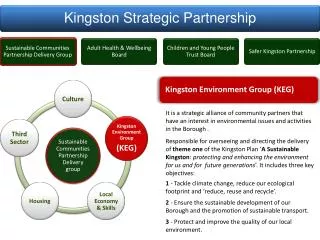
EnvironmentManagement Group Conduct/sponsor cost effective scientific and technical work related to the impact of the oil industry upon the environment. Focus is to: • Provide scientific data on which industry can base its stance on environmental issues • Develop codes and protocols to promote good environmental practices • Seek opportunities to work with others
UKPIA UKOOA OILSPILLS TECHNICALEXPERTISE OWNERSHIP OF ISSUES EXTERNAL INTERFACE - REGULATORS - OTHER BODIES EMISSIONS STAC EMG MICROBIOLOGY AIR QUALITY FOCUS MANAGE AUTONOMOUS GUIDED BY STAC SOIL/ WASTE/ GROUNDWATER
Some highlights from 2001 • Workshop on Ecological Risk Assessment • Production of Oil Spill Booming Guidance • Response to NEGTAP consultation (with UKPIA) • Speciation of VOC emissions • Joint research with EA on groundwater issues e.g Natural Attenuation/Soil vapour intrusion • GIS Mapping and Environmental Risk
Some highlights from 2001 • Development of operational Dispersant Guidelines • Cost of VOC control in petrochemical Sector • Published Guide on planning for dispersant use • Regional Oil Spill Fora • Toxicity of BTEX to microbes in Crude • Developed position paper on Ozone
Links • Environment Agency • Scottish Environmental Protection Agency • DEFRA • Local Authorities • Maritime and Coastguard Agency • Dti • IPIECA • ASTM • IATA • HSE • UKPIA
Programme for 2002 includes • Guidance on dealing with Inland Spills • Sustainable urban drainage - best practice • Cost of meeting PM10 objective and refining • Implications of benzene objective on Industry • Acidification/ozone damage in UK and downstream operations • Scoping paper on nitrate reducing bacteria
Programme for 2002 includes • Continue projects on: • Speciation at refineries • NAQS modeling • IPPC and bund lining • Training pack for Monitored Natural Attenuation • Review of Dioxins and refineries • Risk Communication
Future Strategic Issues/Themes • Environment an issue of increasing importance to industry and external stakeholders • Need for a sound scientific basis for debate • Need to interface with strategic issues • Need to provide timely and cost-effective solutions which meet the needs of the oil industry, satisfies stakeholders, and adds value