Understanding Respiration: Anatomy, Functions, and Gas Exchange Mechanisms
Discover the intricacies of respiration, including essential terms such as alveoli, bronchi, and pulmonary structures. This guide explores the key functions of the respiratory system, like gas exchange, protection from environmental factors, and communication. Dive into the anatomy of the upper and lower respiratory tracts, from the nasal cavity's mucus elevator to the crucial roles of the cilia and olfactory receptors. Understand how our bodies obtain oxygen, eliminate carbon dioxide, and the effects of respiratory conditions like epistaxis.

Understanding Respiration: Anatomy, Functions, and Gas Exchange Mechanisms
E N D
Presentation Transcript
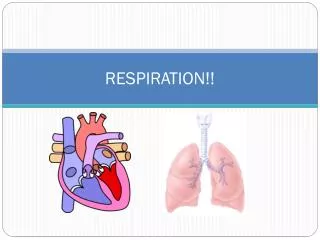
Respiration Breathing!
Terminology (1-1-2) • 1. –(o)tomy 8. cochlea- • 2. pulmo- 9. pariet- • 3. alveol- 10. pneum • 4. –ia 11. olfact- • 5. bronch- 12. pleur- • 6. thorac- 13. patho- • 7. scler- 14. in- 15. -pnea
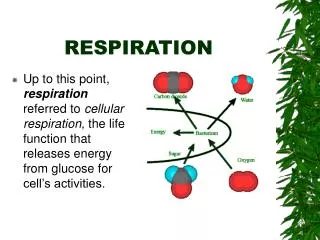
Introduction • Getting O2 to blood • Moving O2 from blood to cell • Moving O2 from cell to Mitochondria
Introduction • Getting CO2 out of cells. • Move CO2 to blood • Get rid of CO2
FUNCTIONS of Respiratory System • 1. Provide gas exchange surface, move air to and from that surface.
FUNCTIONS • 2. Protect surface area from dehydration, temperature changes, and environment.
FUNCTIONS • 3. Defend against pathogenic organisms (disease causing)
FUNCTIONS • 4. Communication ~ Verbal
Activity • GOLD COLDFISH
Respiratory Tract: • Divided into two sections: upper and lower.
Respiratory Tract: • Upper: Conducting passageway • Lower: Respiratory passageway
UPPER RESPIRATORY • Respiratory Epithelium: Ciliated cells that secrete mucus, a mucus elevator.
NASAL CAVITY • Nasal cavity is covered with mucus.
NASAL CAVITY • FUNCTIONS: • 1. Warm air to body temperature
NASAL CAVITY • 2. Filter air for respiration (using cilia and mucus)
NASAL CAVITY • 3. Moisten air for exchange.
NASAL CAVITY • 4. Olfaction: Sense of smell receptors.
NASAL CAVITY • 5. Resonating chamber for Voice.
NASAL CAVITY • External Nares: • Nostrils, coarse hair protects opening.
NASAL CAVITY • Nasal Septum: (134+439) divides nose into left and right chambers. Made of cartilage/bone.
NASAL CAVITY • Nasal Conchae: (134) Projections from side, increases surface area and turbulence.
Nasopharynx: Place where nasal cavity joins pharynx • Contains adenoids (pharyngeal tonsils) • Eustachian tubes connect to middle ear.
NASAL CAVITY • Epistaxis: Bloody nose, lots of blood WHY? • Warming air.
NASAL CAVITY • Why do you get a runny nose on a cold day?
NASAL CAVITY • Air condenses when it hits the cold nose surface.