Balancing Water Use and Environmental Needs: Central Nebraska’s Hydro-Irrigation Project
This detailed overview focuses on the complex interplay between irrigation, hydroelectric power, and environmental protection in Central Nebraska. Highlights include the challenges of relicensing the hydro-irrigation project at Lake McConaughy, ongoing negotiations among states, and the establishment of environmental flow requirements. The document emphasizes the importance of a basinwide approach for collaborative water management, aiming to meet both agricultural needs and ecological sustainability through adaptive management, legal frameworks, and cooperative agreements among stakeholders.

Balancing Water Use and Environmental Needs: Central Nebraska’s Hydro-Irrigation Project
E N D
Presentation Transcript
Flow 2008 Don Kraus, P.E., General Manager The Central Nebraska Public Power and Irrigation District
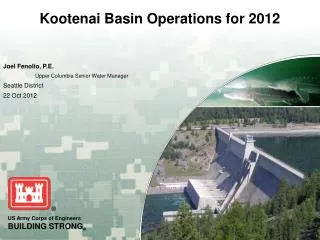
Central’s Hydro-Irrigation Project Lake McConaughy North Platte River South Platte River Supply Canal Platte River E67 Canal E65 Canal Phelps Canal Kearney Phelps Gosper Central Facilities Central Irrigated Area Area in Nebraska Shown Above NPPD Facilities Other Irrigation Canals
Expiration of 50-year license in 1987 • Relicensing goal: balancing interests • Recreation • Environmental • Irrigation • Hydroelectric power • ESA recommendations, including instream flows not subject to balancing
Studies -– environmental impacts and instream flow needs • Interveners • Alternative studies, legal action • Interim license conditions • Impasse and delay at FERC
Basin negotiations • Negotiations among Neb., Col., Wyo., and DOI to develop a basinwide approach to resolve ESA issues, including instream flows. • Cooperative Agreement, 1997 • FERC settlement based on development of a basinwide ESA program. • New FERC license, 1998
Platte River Recovery & Implementation Program • Governance Committee: Three states, DOI, USBR, wildlife conservation groups and water-users • Incremental approach • “Adaptive management” research; peer-reviewed studies • Offset new streamflow depletions in each state after July 1, 1997 • Provide for future water development • Reduce shortages to target flows by 130,000 a-f • Provide 10,000 acres of habitat
No instream flow process required • “Environmental Account” dedicated for ESA purposes established in Lake McConaughy • FWS manages EA • Central contributes 10% of inflows each year • “Program” water from upstream states managed in the EA • Central’s releases for generation purposes tiered with higher releases during “wet” years and lower releases during “dry” years
Start early on a basinwide approach • FERC now encourages settlement discussions • Defer expenses on litigation and some studies • Difficult to implement changes in state laws • Program requires depletions to stream flows by groundwater pumping to be offset after 1997 • Contributions to EA should have been adjusted until protections were in place