SlideServe
Menu
Préférences
© SlideServe · v2026

Biological Properties

thuyet avatar
12 diapositives · 253 Views · Jul 20, 2014

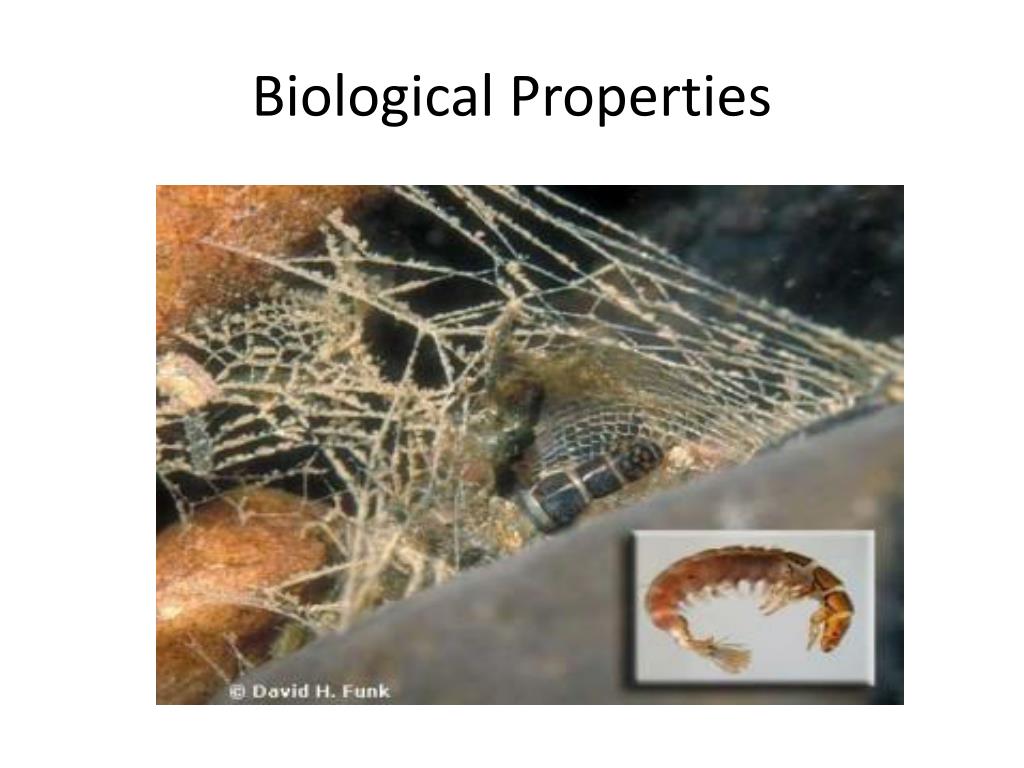
Biological attributes serve as vital indicators of water quality in a waterway. The number and types of organisms present reflect the water's quality. Macroinvertebrates, such as caddisfly and mayfly larvae, are excellent candidates for biological monitoring due to their sensitivity levels. They can help assess pollution tolerance and water quality. Easy to sample and identify, macroinvertebrates show limited migration patterns, making them ideal for localized impact assessment. This text emphasizes the tolerance index of various macroinvertebrates, categorizing them based on pollution sensitivity levels.
Biological Properties - slide 1
01 / 12Biological Properties
1 / 17

Télécharger la présentation

Biological Properties
Une image / un lien ci-dessous est fourni (tel quel) pour télécharger la présentation

Politique de téléchargement : le contenu du site vous est fourni TEL QUEL pour votre information et votre usage personnel ; il ne peut être vendu, concédé sous licence ni partagé sur d’autres sites sans l’accord de son auteur.Le contenu vous est fourni TEL QUEL, pour votre information et votre usage personnel uniquement. Téléchargez la présentation en cliquant sur ce lien. Lors du téléchargement, si vous ne parvenez pas à télécharger une présentation, l’éditeur a peut-être supprimé le fichier de son serveur.Pendant le téléchargement, si vous ne parvenez pas à obtenir une présentation, le fichier a peut-être été supprimé par l’éditeur.

F I N

Plus de contenu associé

Transcription de la présentation
  1. Biological Properties

  2. Biological Properties • Biological attributes of a waterway can be important indicators of water quality. Biological attributes refer to the number and types of organisms that inhabit a waterway. The poorer the quality of water, the fewer the number and types of organisms that can live in it.

  3. Benthic Macroinvertebrates (bottom-dwelling)(animals w/o backbones visible to naked eye) Hydropsyche sp. (Caddisfly larva) Heptageniidae sp. (Mayfly larva) Perlodidae sp. (Stonefly larva) • Great candidates for biological monitoring…

  4. Macroinvertebrates as Indicators • Limited migration patterns–good indicators of localized conditions and site-specific impacts Easy to sample and identify • Broad range of habitat requirements and sensitivities to pollution

  5. The Tolerance Index0 - 10 0 10 most pollution sensitive e.g. Stoneflies most pollution tolerant e.g. Midges & Leeches contain hemoglobin, tolerate lower DO, prefer soft substrate, less sensitive to toxins require high DO, clear water, rocky cobble substrate

  6. Stonefly Water Penny Beetle Mayfly Dobsonfly Alderfly Mussel Snipe Fly Riffle Beetle Macroinvertebrates as Indicators Pollution Sensitive (“Clean Water”) Benthos

  7. Macroinvertebrates as Indicators Blackfly Caddisfly Isopod Cranefly Somewhat Pollution Tolerant Benthos Damselfly Dragonfly Crayfish Amphipod

  8. Macroinvertebrates as Indicators Pollution Tolerant (“Polluted Water”) Benthos Pouch Snail Midgefly Worm Leech