Download
1 / 7
70 likes | 196 Vues
The Government's ICT Strategy aims to address issues from previous IT projects, such as excessive complexity, vendor lock-in, and long delivery times. By adopting open and standardized solutions, the strategy seeks to reduce waste, streamline procurement, and enhance the delivery of public services digitally. This includes promoting open source software to foster innovation and agility among smaller suppliers, ensuring interoperability, and improving resource management. Key initiatives involve regional networks and the replacement of large contracts with flexible, scalable alternatives.

E N D
Open Source Software and the Government’s ICT Strategy2nd June 2014
Need for Government ICT Strategy • ICT prior to last election... • Big, complicated and risky IT projects, dominated by a few suppliers. • Too much bespoke development, and wasteful duplication of effort. • Systems not interoperable or integrated. • Long delivery timescales, so long that responsibilities and organisation changed before implementation. • Published pan-Government strategy March 2011
Aims of Government ICT Strategy • Reduce waste • use more open and standardised and hence more competitive solutions • Common infrastructure and procurement • Drive for public services to be delivered digitally. • Pan-government governance.
How this is impacting the Public Sector • Regional PSN Networks (Local Gov/Blue light) • (e.g. Staffs, West Mids) • Migration of key government services • JANET 6 (Education) • N4 (Health) • Replacement of ASPIRE contract (HMRC) • Replacement of Grapevine contract (MOD)
Reducing Waste • Avoid commissioning bespoke projects, and use open source software where possible. • Develop open source skills in-house, rather than be dependent upon big companies. • Drive towards smaller, more agile suppliers to create a more competitive marketplace.
Common ICT Infrastructure • Mandate open platforms • Adopt a flexible and standardised approach, examples • PSN • G-Cloud • Ensure interoperability between platforms. • Enable better resource consolidation.
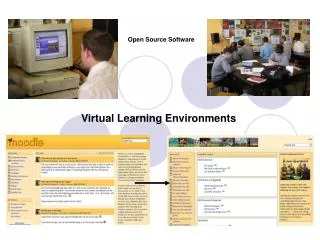
Open Source Examples • Linux (Operating System) • Moodle and Mahara (LMS and e-portfolio) • Open Office • Wordpress (web authoring) • Asterisk (VoIP/SIP) • Sugar CRM • Shibboleth (Federated Access Management)