Navigating the Turbulent 1920s: A Decade of Conflict and Change in America
The 1920s in America were marked by significant conflict, confusion, and experimentation, as evidenced by labor strikes, racial riots, and the rise of domestic terrorism. This chapter explores the upheaval following WWI, including the Russian Revolution's impact on U.S. foreign policy and the fear of communism. Domestic issues led to widespread strikes and a surge in racial tensions, epitomized by the Red Summer of 1919. The emergence of the Ku Klux Klan amidst increasing anti-immigrant sentiment highlighted societal fractures during this transformative decade.

Navigating the Turbulent 1920s: A Decade of Conflict and Change in America
E N D
Presentation Transcript
Chapter 22.1 Return to Normalcy
The 1920’s were a time of conflict, confusion, excitement, and experimentation. • Explain this statement. Give examples. 2. Can this statement apply to the 2000’s?
Revolution in Europe • Revolts lead to upheaval in Europe! • Russia = Revolution! • Czar Nicholas toppled • Kerensky gov’t falls • Lenin is in charge • America’s response • Sends troops to “stabilize” government • Sends troops to stop spread of Communism • Results: • Russia doesn’t like the U.S. • The U.S. is scared of Communism
Labor Strife • During war = labor peace • After, workers want more benefits and wages…which leads to strikes • Boston – NO COPS! • Coolidge calls in the National Guard • U.S. Steel – 18 workers killed • Coal Strike – broken by the courts • Wilson calls it “unjustifiable and unlawful” • Unions are less popular and weakened
Racial Riots • After war, anti-black feelings increased! • Racial tensions begin to rise, especially in the big cities • Fights over employment • Lynchings rise in the South • Red Summer – 25 riots in the summer of 1919 • Worst in Chicago • Atty. General Mitchell Palmer – It’s the Commies!
Bomb Scares • Domestic terrorism – bombs go off around the country • Seattle – bomb mailed to the mayor • Georgia – Senator’s maid loses her hands • One explodes on Wall Street • 36 found in all! • More sent a month later… • Atty General Palmer – It’s the Commies!
Reaction • Atty. General Palmer – convinced it’s the work of Communist revolutionaries • Palmer declares that there are “Reds” all over the country…and they must be caught and thrown out! • Raids – on anarchists and Communist meetings, many are deported from the country • Criticism – Who hurt America more? • Impact – Americans fear anyone that’s different • Immigrants, blacks, Jews, Catholics, reformers, foreigners
Fear of Foreigners • Americans fear foreigners in this country • That’s ironic… • Immigration Restriction League • Immigrants must read • None from Eastern Europe! • National Origins Act – set up quotas for immigrants allowed in • Based on who was here • No Asians! • Exempt: Canadians and Mexicans
Re-Emergence of the Klan • They capitalize on these new fears to increase membership • Use violence and terror against newcomers as well as African Americans • Wanted to intimidate anyone who was not a WASP • Membership greatest in the South and West
Sacco and Vanzetti • Facts of the case. • Is there evidence? • What happens? • In context: Should you be executed for your political beliefs in this country? • The ultimate question – are they martyrs for democracy?
Disillusioned Writers • Some of America’s most talented writers didn’t like what they saw • H.L. Mencken – refers to Americans as “Booboisie” • T.S. Eliot– describes postwar America as “The Wasteland” • Sinclair Lewis, F. Scott Fitgerald, Ernest Hemingway • Make their postwar criticisms clear in writing
Prohibition • Temperance movement – discourage intoxicating liquors. Why? • World War I – Prohibition becomes a nat’l concern • Conserve grain • Boycott German breweries • Insure sober, clear-headed workforce • War–time Congress – passes Prohibition • Ratified by ¾ of the states • Becomes 19th Amendment in 1919 • Many Americans had no intention of “going dry” • What was the effect?
Suffrage Tell me about it.
Chapter 22.2 The Good Old Days
Overview • After WWI, there was a yearning for “the good old days”… • Mood – turn within, take care of ourselves… • And Americans did just that when they elected… • Warren Harding and Calvin Coolidge • Quote p. 583
Harding’s Background • Was originally a newspaper publisher • Entered and became powerful in OH state politics • Elected as U.S. Senator from Ohio for one term • Nominated for President…as a compromise • Little training • But was friendly, likeable, looked like a President, and had few enemies
The Harding “Dream Team” • He puts “the best minds” to work for him in his Cabinet… • Charles Evans Hughes = Sec. of State • Herbert Hoover = Sec. of Commerce • Andrew Mellon = Sec. of Treasury • Henry Wallace = Sec. of Agriculture • And he put some of his inexperienced buddies in office, too… • Albert Fall = Sec. of the Interior • Harry Daugherty = Atty. General • They used their offices to help themselves • They were known as… • The Ohio Gang
Foreign Affairs • Not a diplomat – out of comfort zone • Wanted nothing to do with the League of Nations • Stay out of international entanglements • Wouldn’t even sign the Versailles Treaty… • The U.S. had its own peace treaty with Germany • Quote p. 584
Maritime Treaties • Harding was the first President to have a disarmament conference • Called for great maritime powers to stop building up their navies • Five Power Treaty – no more forts or bases in the Pacific • Nine Power Treaty – China remains open to all; no land or special privileges there • Four Power Treaty – respect each other’s possessions; conflicts settled by conference
Domestic Agenda – Part II • 2. To protect businesses from competition abroad, he raised tariffs • Fordney-McCumber Act – tariffs against European goods • Europeans angry – they needed $$$ to buy the goods that we ship • They hit the U.S with tariffs • And it’s a TRADE DISASTER
Domestic Agenda – Part I • Post WWI = economic downturn • Solutions= higher tariffs, lower taxes, less spending • 1. Plan Federal Spending • asked Congress to check money demands of each department • Single budget for Congress review (and people to see!) • Gets Congress to pass the Bureau of Budget and the General Accounting Office
Bonus Bill • Returning WWI vets get benefits • $60.00 • Hospital care for wounded • They want a bigger bonus for protecting the nation • Harding: It’s you’re patriotic duty to protect this nation • He vetoes the bill • Sorry, guys…
War Debts • WWI Allies owe the U.S. $9 million • Allies: It should be cancelled because it was used to protect the U.S. • Harding: Absolutely not. • They were paid in installments • Here’s the madness • Fact: The money is never fully paid back… Germany U.S. Europe
Scandals! • Colonel Charles Forbes • Head the Veterans Bureau…and loses $250 million • Jesse Smith • Sells his influence in the Justice Department • Thomas Miller • Oversaw property taken from Germany after the War…and sells it for profit • Albert Fall • Teapot Dome Scandal • U.S. sets aside oil fields as reserves • He leases two for personal profit (“loans” and “gifts”)
Chapter 22.3 Keeping Cool With Coolidge
Assuming the Presidency • Coolidge at his father’s home in VT when he hears of Harding’s death • His dad, a justice of the peace, administers the oath by kerosene lamp • Coolidge = not a DC “insider” • Spent most of his time in MA and VT.
Coolidge – What a Guy… • Quiet, serious, few expressions of emotion • Not really into extensive publicity, disliked having to appear in public • Rumor: He had also died • Response: How would you know? • “The business of the American people is business” • Republican ideal (all the way from Jefferson) • Gov’t is best that governs least • And he restores integrity to the Presidency
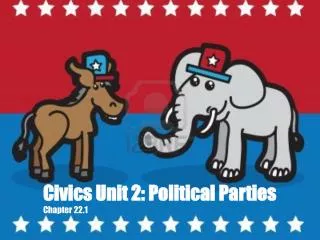
Election of 1924 • Americans liked the idea of less government (rations in WWI) • Republicans: keep him on the ballot • Note: Bob La Follette (WI) – tried to be a spoiler • Angry about farmers • Broke from Republicans • Ran as a New Progressive • Democrats divided • Conservatives: rural voters (South and West) • Progressive: NE and G. Lakes • Deadlock at convention • Compromise = John W. Davis • Appeals to nobody
Women Vote!!! • Americans stay with the status quo • Only 35% of women vote • Why? • Discouraged by family • Couldn’t get out (# kids) • Didn’t think they should • Some success… • 2 governorships • Jeanette Rankin (MT) = first Representative in House
Ideals • Gov’t = stay out as much as possible • “If it disappears, you shouldn’t know it for a while” • Free enterprise – freedom of business from gov’t rules • Regulatory agencies (FTC, FRB) – run by pro-business appointees • Supreme Court – backed his ideals (pro-business) • Allows monopolies (USX) • Allows price setting by conglomerates
Farm Problems • Everyone was better off…except the farmers • Farm prices dropped • Producing more for less money • Famers demand help • Congress – tried to use U.S. funds to buy surplus • Keep prices up • See surplus to Europe • Coolidge – vetoes bill every time • Why?
Election of 1928 • Coolidge – chooses not to run for reelection • Republicans - choose Herbert Hoover • Democrats – choose Alfred E. Smith • Problem: He’s a Catholic • The Pope will rule the U.S.! • America was still prosperous… • And Americans stayed with the Republican ticket
Chapter 22.4 The Jazz Age
The Roaring Twenties • Time of radical social transformation • Industry – pumping out products • Ideas – questioning the ideas and ways from before • Arts – Loosening of standards, blossoming of creativity • Daily Life – new ways to spend your time • Welcome to the Roaring Twenties!
Automobiles • They began to mass produced • Normal to see them, paved roads for them… • And Americans could AFFORD them! • Impact – Americans could now live, work, and play at greater distances • Wow – first shopping center built in Kansas City in 1922 • http://www.youtube.com/swf/l.swf?video_id=S4KrIMZpwCY
Movies • Nickelodeons – for a nickle, you watched moving pictures for a few minutes • Now, movies are all the rage! • Pop. = 125 million • Tickets sold per week = 100 million • Talkies – movies without sound • Stars = Greta Garbo , Lillian Gish, Charlie Chaplin • Major way to spend your new free time!
Radio • Before the 1920’s – few Americans owned radio’s • Handmade, • Used for 2-way communication • Frank Conrad – engineer for Westinghouse, sends music and baseball scores over the radio • Leads to regular broadcasts – Americans buy in record numbers • NBC – creates the first network by joining stations together
Jazz Music • Started as ragtime and blues (from NOLA and Memphis) • Improvised, syncopation – sign of the times • Hugely popular in the 1920’s • Radio’s spread its popularity • Some people against it • Harlem, NY – center of jazz, with mixed jazz clubs
Health and Education • The nation, as a whole, was healthier and living longer – let’s celebrate! • Diseases were coming under control • Measles • Tetanus • Diptheria • More people were educated • Free through high school • Movement to the cities = better literacy
What a Crazy Time… • Flappers – new type of women • Bootleggers and speakeasies • New social acceptance of women • Working • Smoking • Drinking • Jazz Music • Jazz Spirit – in other art forms • National Heroes • Sporting Events = big business