Understanding Urban Heat Islands: The Impact of Cloud Types on Surface Temperature
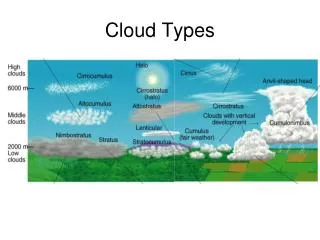
Urban areas experience higher temperatures than their rural surroundings, a phenomenon known as Urban Heat Islands (UHI). This study investigates how different cloud types affect surface temperatures in cities. The EPA notes that urban air can be 2-10°F (2-6°C) warmer than nearby countryside on hot summer days, primarily due to factors like loss of green space and increased air pollution. Through temperature readings taken outside our school using GPS and infrared thermometers, we found that thicker clouds like cumulus and stratocumulus contribute to higher urban temperatures by absorbing more solar radiation.

Understanding Urban Heat Islands: The Impact of Cloud Types on Surface Temperature
E N D
Presentation Transcript
CLOUD TYPES AND SURFACE TEMPERATURE Urban Heat Islands
Urban Heating As time goes by: cities seem to be heating up The EPA says: "On hot summer days, urban air can be 2-10°F [2-6°C] hotter than the surrounding countryside
Urban Heat Islands • Loss of green space • More cement,asphalt, buildings etc. • Increase in air pollution
Procedure •Trained on GPS and Infrared thermometers • Took temperature readings for a period of time outside our school • Entered data into GLOBE database • Data from temperature readings was analyzed • Graphed the data
Hypothesis We think that cloud type affects the surface temperature. If this is true then we will know cloud types are a factor to urban heating.
So We Conclude… • Our Hypothesis was correct • Thicker Clouds - such as cumulus and stratocumulus absorb more of the sun’s radiation.