Understanding Cell Cycle Phases and Protein Synthesis: A Comprehensive Review
230 likes | 383 Vues
The cell cycle is a vital process consisting of distinct phases: Interphase, Prophase, Metaphase, Anaphase, and Telophase (IPMAT). Interphase prepares for cell division through G1 (growth), S (DNA replication), and G2 (further preparations). Mitosis involves PMAT phases where chromatid pairs align and separate. Additionally, the function of checkpoints ensures cell health and DNA repair. This review also covers DNA replication, transcription, and translation processes in protein synthesis, detailing nucleotide structure and codon interpretation by tRNA.


Understanding Cell Cycle Phases and Protein Synthesis: A Comprehensive Review
E N D
Presentation Transcript
What are the phases of the cell cycle? • IPMAT • Interphase • Prophase • Metaphase • Anaphase • Telophase
What occurs during Interphase? • G1- growth and development. • S- DNA replication • G2- preparation for cell reproduction.
What phases belong to mitosis? • PMAT • Prophase • Metaphase • Anaphase • Telophase
What occurs during Prophase? • Chromatin material coils into chromatid pairs. • Nuclear membrane disappears. • Spindle begins to assemble.
What occurs during Metaphase? • Chromatid pairs line up along the equator of the cell. • Spindle fibers attach to the centromeres of each chromatid pair.
What occurs during Anaphase? • Sister chromatids are pulled apart and chromosomes begin to migrate to the poles of the cell.
What occurs during Telophase? • Chromosomes reach the poles of the cell. • 2 identical nuclei form.
What is cytokinesis? • At the end of telophase the entire cell splits to form two identical cells.
What is the function of checkpoints during the cell cycle? • To check cell size and health. • To repair DNA. • To determine if the cycle will continue or stall.
What is DNA replication • During the S stage of interphase the cell’s DNA is copied. • RNA polymerase splits the DNA strands open and matches bases to both strands.
What is the function of DNA? • Provides the instructions for what proteins will be synthesized by the ribosomes.
What are the differences between DNA and mRNA? • DNA can’t leave the nucleus but mRNA can. • DNA contains Thymine while mRNA contains Uracil instead. • DNA is double stranded while mRNA is single stranded.
What is Transcription? • DNA is copied onto a molecule of mRNA. • RNA polymerase unzips DNA and matches mRNA nucleotides to one strand of the DNA.
In DNA, what bases pair? • A with T, adenine with thymine • C with G, cytosine with guanine
What is a nucleotide? • A monomer of DNA. • Contains a phosphate group, deoxyribose sugar, and a nitrogen base (A, T, C or G)
What type of bonds hold the two strands of DNA together? • Hydrogen bonds
Match DNA nucleotides:ACGAACGTT • TGCTTGCAA
Match mRNA bases to this DNA strand:ATCAAGCAT • UAGUUCGUA
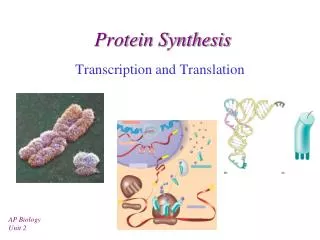
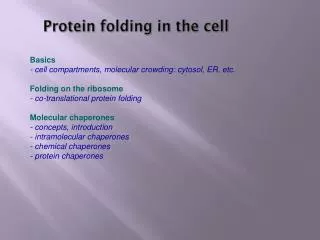
What is translation? • mRNA is decoded into a polypeptide chain of amino acids which folds up to form a protein.
Proteins are built during… • Protein synthesis. • Actual synthesis occurs during translation.
What is a codon? • Three consecutive nitrogen bases of mRNA. • The ribosome read mRNA one codon at a time. • One codon translates into one amino acid.
What is the function of tRNA during translation? • It brings amino acids to match with the mRNA codons.