Native American Cultures Before European Contact
Explore the diverse origins and societies of Native Americans pre-European contact, including the Bering Land Bridge theory, Pacific Northwest Coast economies, Iroquois Confederacy politics, New England land use, and the impact of the Columbian Exchange and Virgin Soil Epidemics.

Native American Cultures Before European Contact
E N D
Presentation Transcript
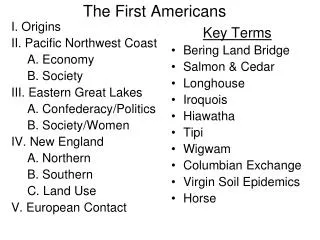
Key Terms Bering Land Bridge Salmon & Cedar Longhouse Iroquois Hiawatha Tipi Wigwam Columbian Exchange Virgin Soil Epidemics Horse I. Origins II. Pacific Northwest Coast A. Economy B. Society III. Eastern Great Lakes A. Confederacy/Politics B. Society/Women IV. New England A. Northern B. Southern C. Land Use V. European Contact The First Americans
Today’s Lecture Themes • Origins • Diversity • Changing nature of Indian societies before and after European contact
Native Americans & Origins • Numerous theories and beliefs… • Many Anthropologists and Historians agree humans lived in North America 30-35,000 years ago. • How did they arrive…? Bering Land Bridge
Indians Of The Pacific Northwest They were hunter/gatherers, but also INCREDIBLY “wealthy.”
Cedar: The Backbone Of PNW Coast Technology Can reach 250 feet high & 18 feet in diameter
Cedar: The Backbone Of PNW Coast Technology • Baskets/boxes • Clothing • Canoes • Homes = Longhouse
Salmon: The Backbone Of PNW Coast Diet Fish Traps (1894)
Rank In Society Top (Most Wealth) Free men and women Bottom (Least Wealth) Slaves
PNW Coast Society Key Concept: Society was VERY highly stratified Two Classes of People: • Slaves • Free - Their “rank” was determined primarily by wealth In some cases, occupation influenced rank
Iroquois: A Confederation Of Five Separate Tribes In Eastern Great Lakes • Mohawks • Oneidas • Onondagas • Cayugas • Senecas “Sauvage” Iroquois (1796)
Who Started The Confederation? Hiawatha- A Mohawk Sachem created the confederacy to end inter-tribal warfare about 1450. Hiawatha & Iroquois chief
Political Structure Council Government: • Each tribe in the confederacy sent delegates or representatives to council meetings (50 total) • Tribes brought issues to the Council; action was taken by consensus
Iroquois Society • Homes-Longhouses (not very mobile) • Property was owned communally • Division of labor between men/women: • Men-hunted/fished & were warriors • Women-farmed & gathered and raised children • 2/3 of their diet came from farm products
Women In Iroquois Society • Descent was matrilineal; Longhouses were headed by women • Divorce was the prerogative of the wife • Selected ALL delegates to the Iroquois Council & influenced policy • Responsible for child rearing—their practices differed from Europe’s An Iroquois woman & child
Homes: New England Homes • Tipi: common among hunting communities; made of animal skin.
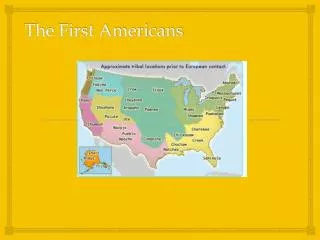
New England Indians Northern New England • Vermont, New Hampshire, Maine • Hunter-gatherers-VERY mobile; moved seasonally • 15,000-20,000 pop. in 1600 Southern New England • Connecticut, Rhode Island, Massachusetts • Hunted AND farmed (2/3 of diet) • 55,000-80,000 pop. in 1600
Homes: New England Homes • Tipi: common among hunting communities; made of animal skin. • Wigwam: common among farming communities; made of grass, bark, woven mats.
Farming Methods(Indians in Southern New England) • Fields were cleared by girdling & with fire. • Corn, beans & squash were planted together. • Fall = Harvest & abundant food. Corn, Beans & Squash
Indians Planting Corn, Beans & Squash Indians living in Southern New England impacted the land more so than those in the North.
Columbian Exchange • The range of items exchanged between Europeans and Native Americans following European settlement.
Before Access To HorsesContentment = full stomach & fire 6 Miles 6 Miles 6 Miles
After Access To Horses(Ideas about contentment change) 36 Miles 36 Miles 36 Miles
Native American Population(North of Mexico) 1492 10-12 Million 1900 500,000 These figures are approximate.
Impact Of Diseases Diseases brought by Europeans caused more deaths destroyed more of Indian society than any other single factor.
Why So Deadly? • Virgin Soil Epidemics • A disease that hits a population which previously had no contact with that disease. • Multiple diseases often hit Indian populations at the same time. • These were tough diseases! • Small pox, chicken pox, influenza, measles, whooping cough are some examples.
Key Terms Bering Land Bridge Salmon & Cedar Longhouse Iroquois Hiawatha Tipi Wigwam Columbian Exchange Virgin Soil Epidemics Horse I. Origins II. Pacific Northwest Coast A. Economy B. Society III. Eastern Great Lakes A. Confederacy/Politics B. Society/Women IV. New England A. Northern B. Southern C. Land Use V. European Contact The First Americans