Enhancing Inclusion of Black Religious Students at Pasquerilla Spiritual Center
This study explores the absence of Black religious students at the Pasquerilla Spiritual Center (PSC) at Penn State University, a predominantly white institution (PWI). It discusses environmental theory, psychological climate, and physical space issues that impact student engagement and identity development. Through interviews with students and professionals, recommendations are made to create a more welcoming environment, fostering diversity and interaction. Key strategies include tailored programming, increased representation of Black role models, and intentional scheduling of activities to enhance community connections.

Enhancing Inclusion of Black Religious Students at Pasquerilla Spiritual Center
E N D
Presentation Transcript
Black Religious Students Welcoming them into the Pasquerilla Spiritual Center Kate Curley & Julia Martinez December 5, 2013
Outline • Explanation of Issue • Environmental Theory • Literature Review • Testimonials • Environmental Intervention • Personal Identity Influences • Conclusion
Pasquerilla Spiritual Center and the Center for Ethics in Religious Affairs
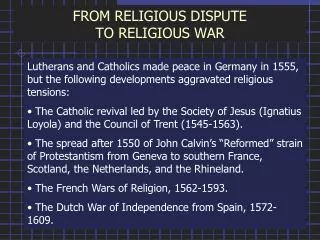
Explanation of Issue • Pasquerilla is a “white church” • Blacks noticeably absent (B. Smith, B. Bradley) • PSU=PWI • Blacks and religion/spirituality • More religiously involved (Dennis, 2005; Taylor, Chatters, Jayakody, & Levin, 1996) • Greatly benefit from engagement (Caldwell et al., 1992; Ellison, 1993; Ellison and Sherkat, 1995; Frazier, 1974; Glenn & Gotard, 1977; Levin et al., 1995; Lincoln & Mamiya, 1990; Nelsen & Nelsen, 1975; Riggins, McNeal, & Herndon, 2008; Taylor & Chatters, 1986; Taylor, Thornton, and Chatters, 1987; Rice, 2012)
Environmental Theory Hurtado, Millem, Clayton-Pederson, and Allen (1999)
Hurtado et al., 1999 • Make campus climate a priority • Research and assess current campus climate • Design an intentional plan • Implement the plan • Consciously try to remove historical inequities(the historical legacies of exclusion) • Collaborate with faculty • Promote interactions with diverse peoples • Have faculty interact with students outside the classroom doing research and teaching • Promote and facilitate dialogue between communities of difference • Create and maintain a student-centered orientation • Host diverse programs, activities, and services • Train staff and faculty for these issues
Literature Review: Psychological Climate • Blacks more likely to experience prejudice • Religious engagement critical to Black student success • negative climate= • dissatisfaction • disengagement, esp. in out of class activities • first-year and cult. specific programming=important
Literature Review: Behavioral dimensions • Peer interactions important (Astin 1988, 1991, 1993; Kuh, Schuh, Whitt, Andreas, Lyons, Strange, Krehbiel, & MacKay, 1991; Pascarella & Terenzini, 1991) • Leads to sense of belonging for Black religious (Strayhorn, 2008) • promotes inter-cult/inter-religious understanding & development (Hurtado et. al, 1999) • esp. at PWIs http://artofconversation.typepad.com/.a/6a00d83452194e69e2017ee81ffd85970d-320wi
Literature Review: Physical Space & ID development • Some spaces are inappropriate/ unwelcoming (B. Bradley, personal communication, October 16, 2013; Clark & Brimhall-Vargas, 2003; McMurtie, 1999; Strange & Banning, 2001) • Religion=critical component of ID development (Astin & Astin, 2003; Love, 2001; Love & Talbot, 1999) • esp. Black stud. (Sanchez & Carter, 2005) • w/o mentors and role-models→ isolation (Abu El-Haj, 2002)
Methods • Three short, semi-structured interviews with Black religious students • President of Black Student Union/member of Disciplemakers Christian Fellowship • Member of Unity University Fellowship • Former historian of the United Soul Ensemble • Interview questions centered on student experiences
Methods • Two semi-structured interviews with student affairs professionals • Director for Ethics and Religious Affairs (CERA) • Assistant Director for CERA • Interview questions centered on student involvement • One choir concert
Discussion of Findings: Psychological Climate Concerns • Assimilation • Demanding expectations for involvement • Discouraging cultural messages • Lack of investment and connectedness Recommendations • Bring Black religious services to Pasquerilla • Reexamine expectations for membership • More time in the space • Activities to get to know one another
Discussion of Findings: Behavioral Dimensions Concerns • Limited interactions with communities of difference • Not perceived as diverse • Lack of awareness → lack of involvement Recommendations • Promote campus-wide awareness
Discussion of Findings: Physical Space Concerns • Perceived as unwelcoming and inappropriate Recommendations • Intentional scheduling • Install sound barriers in the research space • Encourage use of the space between activities • Provide office space and an advisor
Discussion of Findings: Identity Development Concerns • Absence of role models and peers as students move through religious identity development Recommendations • Increased presence and number of Black religious role models and peers • Recruit Black graduate fellows who believe in CERA’s interfaith mission • Train staff and faculty from other backgrounds
Environmental Intervention Following Hurtado et al. (1999): 1. Make climate a priority 2. Research and assess climate 3. Design an intentional plan
Environmental Intervention Peer Mentorship Program • Led by student leaders for students • Guided by trained staff and faculty • Visible and supportive network of role models • Family structure • Contributing to a sense of community and belonging • Families led by student leaders • Student leaders advised by staff and faculty
Environmental Intervention Targeted outreach to new students • New Student Orientation • Student Organization Fair • Information sessions Spirituality programs • Meet students where they are, physically • Move to Pasquerilla Spiritual Center
Environmental Intervention Returning to Hurtado et al. (1999): 5. Consciously try to remove historical inequities (the historical legacies of exclusion) 7. Promote interactions with diverse peoples • Include mentorship program in events with other religious groups 9. Promote and facilitate dialogue between communities of difference 10. Create and maintain a student-centered orientation • Students as leaders • Close partnership between student leaders and role models
Environmental Intervention 11. Host diverse programs, activities, and services • Centered on outreach • Activities conducted by student leaders • Goal: family-like comfortability 12. Train staff and faculty for these issues • Advise students on religious identity development issues, among others
Personal Identification Kate Julia You? http://blogs.smithsonianmag.com/aroundthemall/files/2011/07/what-about-race-nmnh.jpg
Conclusion • Intentionally reintegrate traditionally black religious group once affiliated with Pasquerilla • Peer Mentorship Program • Future considerations • Implementation • Constant and thorough assessment
Other ideas? Questions?
Thank You References available upon request