Download

1 / 12
120 likes | 242 Vues
This study investigates the dual aspects of sociality in wood-dwelling social insects, such as termites and ants, with a focus on the impact of social organization on disease resistance. Increased social interactions elevate the risk of pathogen transmission. However, behaviors like allogrooming can mitigate this risk by removing parasites and inhibiting pathogen viability. The research presents experimental findings on the effects of environmentally exposed bouts of fungal pathogens on termite survival, highlighting the significance of social behaviors in enhancing resistance to disease while navigating the inherent costs of closer contact.

E N D
Sociality and Disease Resistance Rosengauset al. 1998. Behavioral Ecology and Sociobiology 44:125-134.
Cost/Benefit of Sociality: Disease Social Organization: Cost • Increased Contact Between Individuals • Greater Transmission of Direct-Contact Pathogens Social Organization: Benefit • Allogrooming Remove Parasites, Spores Antibiotic Transfer
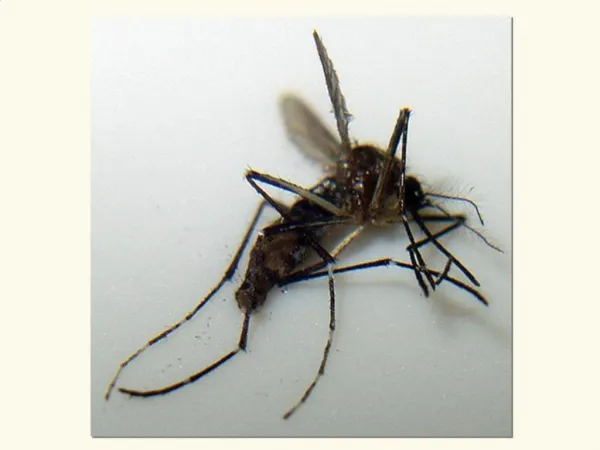
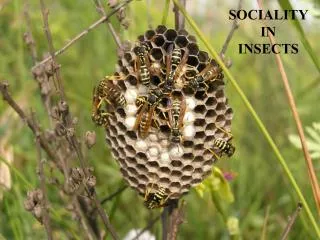
Rosengauset al (1998) Wood-dwelling social insects (termites and ants) Live and/or feed in diverse microbial community Includes pathogens Controlled microclimate, Good for pathogen growth Social adaptations to disease?
Rosengauset al (1998) Dampwood termite Zootermopsisangusticollis Entomopathogenic fungus Metarhiziumamisopliae Infection can be lethal
Rosengauset al (1998) Spray water/conidiospores on filter paper Control: water only Termites walk on paper for one hour Transfer to groups, size = 1, 10, 25 10 – 25, Similar to young, developing colony
Rosengauset al (1998) Treatment groups: Environmentally exposed: blue Differentiate any mortality Direct vs contact exposure Monitored survival/mortality for 20 days
Rosengauset al (1998) Open square: Control Closed square: G = 1 Circle: G = 10 Triangle: G = 25
Rosengauset al (1998) Social group: significantly higher survival Allogrooming: Before/after spores appeared
Rosengauset al (1998) 53-fold increase in allogrooming 24 hours after exposure Remove spores from cuticle Saliva may inhibit spore viability Discovered new ‘vibratory” display