Political Intrigue and Utopian Dreams in Shakespeare’s “The Tempest”
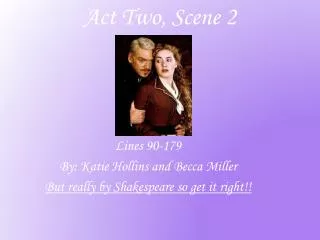
In Act Two, Scene 1 of Shakespeare's “The Tempest,” the interplay between Sebastian, Antonio, and Gonzalo unveils the comical yet serious undercurrents of political ambition and utopian dreams. Sebastian mocks Gonzalo's idealistic vision of self-sufficiency on the island while Antonio suggests murdering his brother to seizing the crown. The contrast between Gonzalo’s dreams and the ruthless political intrigue captures the complexities of human aspiration. Additionally, Scene 2 presents Trinculo and Stephano’s Dionysian revelries as they interact with Caliban, showcasing themes of power, slavery, and the quest for freedom.

Political Intrigue and Utopian Dreams in Shakespeare’s “The Tempest”
E N D
Presentation Transcript
Scene 1 • The opening of the act presents what is supposed to be a comical exchange between the mocking Sebastian and Antonio, and Gonzalo. • Note their anger at Alonso’s marriage of Claribel to the King of Tunis • Also alludes to “Widow Dido” a woman who killed herself when Aeneas left her to depart for home.
Gonzalo’s Utopia • The island has also long been place where dreamers imagine perfect worlds • Gonzalo imagines a world where people are entirely self-sufficient • Similar to Moore’s description • Dangerous thinking in a land ruled by King and Queen- thus the rest of the people in the group laugh him off.
Political Intrigue • Antonio advises Sebastian to kill his brother Antonio to gain control of the crown. • What is Shakespeare’s purpose in creating this breakdown in the political process following Gonzalo’s discussion on utopias? • Colonialism or Parallelism
Scene 2: THE FOOLS • Note the Dionysian nature of the group • Their relationship is based entirely off drunkenness • “He shall taste of my bottle.” • Slavery implication- “I will not take too much for him; he shall pay for him that hath him and that soundly.”
Language • Note the differing nature of speech from Trinculo and Stephano as opposed to that of Caliban.
New God • “I know it by thy trembling: now Prospero works upon thee” • “That’s a brave god, and bears celestial liquor: I will kneel to him.” • Despite fawning over his new masters they still refer to him as a monster • The men who plan to take over the island refer to Caliban as the monster • Note Caliban’s excitement at the prospect of “Freedom!” Was Prospero really that bad?