Understanding the Binomial System of Nomenclature and Taxonomic Hierarchy
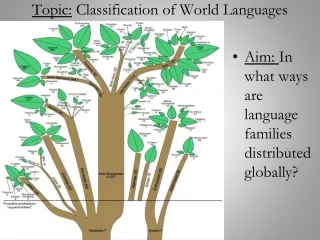
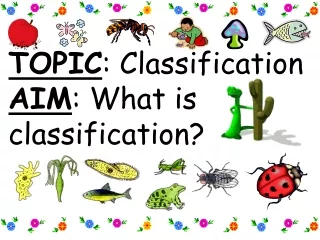
This guide explores the binomial system of nomenclature, where each organism is classified using two names: the genus, which begins with a capital letter, and the species, which starts with a lowercase letter. Italics are used in printed formats, while handwritten names are underlined. Examples include Homo sapiens for humans and Balaenoptera musculus for blue whales. Additionally, it outlines the seven levels of taxonomy in both Animalia and Plantae kingdoms, presenting a clear framework for biological classification and identification through dichotomous keys.

Understanding the Binomial System of Nomenclature and Taxonomic Hierarchy
E N D
Presentation Transcript
Outline the binomial system of nomenclature • Called binomial because two names are used. • First name is genus, with first name being a capital. • Second name is species, with no capital. • Italics are used when the name is printed. • The name is underlined if it is handwritten. • Ex. Homo sapiens
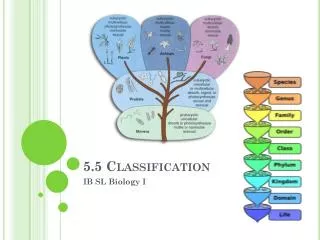
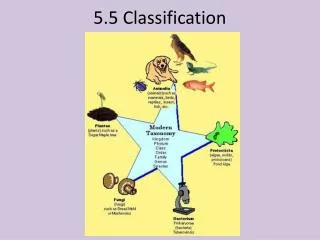
List seven levels in the hierarchy of taxa – using an example from two different kingdoms • Do it! • Now!
List seven levels in the hierarchy of taxa – using an example from two different kingdoms • Kingdom: Animalia • Phylum: Chordata • Class: Mammalia • Order: Cetacea • Family: Balaenopteridae • Genus: Baleaenoptera • Species: B. musculus • Blue Whales • Kingdomn: Plantae • Phylum: Coniferophyta • Class: Pinopside • Order: Pinales • Family: Taxodiaceae • Genus: Sequoia • Species: S. sempervirens • Giant sequoia
Dichotomous key – a series of two statements used for identifying similar organisms
Apply and design a dichotomous key for 8 organisms • Do it! • Now! • Page 207 NB
Distinguish between the following phyla of plants, using simple external recognition features: bryophyta, filicinophyta, coniferophyta, angiospermophyta
Distinguish between the following phyla of animals using simple external recognition features