Download
1 / 7
70 likes | 189 Vues
Progressivism emerged as a response to the challenges of industrialization and urbanization, advocating various reforms to improve society. Important figures like muckrakers, who exposed corruption, and political figures such as Boss Tweed shaped this movement. Key processes like referendum, recall, initiative, and direct primaries empowered citizens in the political landscape. Landmark legislation like the Meat Inspection Act and Pure Food and Drug Act addressed public health concerns, while movements for suffrage and temperance sought greater social justice. The Social Gospel furthered reform by integrating Christian principles into societal improvement efforts.

E N D
Progressivism Vocab US History Honors
Progressivism: movement that responds to the pressures of industrialization and urbanization by promoting reform • muckraker: writer who uncovers and exposes misconduct in politics or business • Boss Tweed: political boss of Tammany Hall in NYC • political machine: an organized group that controls a political party in a city and offers services to voters and businesses in exchange for political and financial support
referendum: process that allows citizens to approve or reject a law passed by a legislature • recall: process by which voters can remove elected officials from office before their term ends • direct primary: election in which citizens themselves vote to select nominees for upcoming elections • initiative: process in which citizens put a proposed new law directly on the ballot
Vocabulary Word Map Vocabulary Word
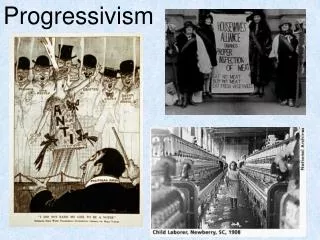
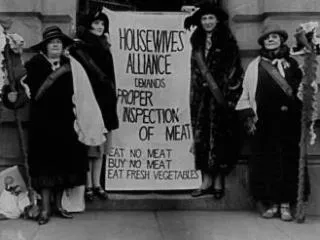
Thomas Nast: political cartoonist who took down Boss Tweed • Meat Inspection Act: (1906) law that allowed the federal government to inspect meat sold across state lines and required federal inspection of meat processing plants • Pure Food and Drug Act: (1906) law that allowed federal inspection of food and medicine and banned the interstate shipment and sale of impure food and the mislabeling of food and drugs
temperance movement: movement aimed at stopping alcohol abuse and the problems created by it • suffrage: the right to vote • Nineteenth Amendment: gave women the right to vote • Social Gospel: reform movement that emerged in the late nineteenth century that sought to improve society by applying Christian principles
trust busting: the act of dissolving business trusts by promoting antitrust regulations • settlement house: community center organized at the turn of the twentieth century to provide social services to the urban poor • Clayton Antitrust Act: (1914) law that strengthened the Sherman Antitrust Act