Jefferson's Presidency: The Republican Revolution
110 likes | 208 Vues
Explore the transformative presidency of Thomas Jefferson, from overturning laws to the Louisiana Purchase and foreign policy challenges. Learn about Chief Justice John Marshall and pivotal court cases like Marbury v. Madison.


Jefferson's Presidency: The Republican Revolution
E N D
Presentation Transcript
Jefferson’s Presidency Chapter 2, Section 3
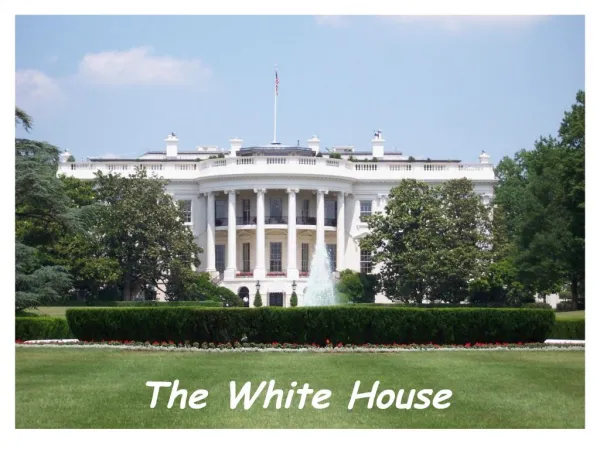
Republican Revolution • When Jefferson entered the White House, it was touted as a ‘republican revolution’ because of the changes he brought. • Jefferson practiced D-R ideals • Wanted to overturn Alien and Sedition Acts • Disliked taxes • Lower national debt • Cuts to army and navy • Streamline government agencies
John Marshall • Federalist (think about his ideals!); • Former Secretary of State under John Adams; • Became Chief Justice of Supreme Court in 1801; • 35 years served heard over 1,000 cases
Marshall’s Legacies • JUDICIAL REVIEW!!!!!!!!!!! • Power of Supreme Court to determine whether laws are constitutional or not. • Federal laws superior to state laws • Broad interpretation of the Constitution • Sanctity of contracts less gov interference in business
Marbury v. Madison (1803) • William Marbury last-minute appointment of John Adams (“midnight judges”); • James Madison (Jefferson’s Secretary of State) refused to deliver his papers; • Marbury argued that under Judiciary Act of 1789, S.C. could order Madison to deliver his papers.
Marbury v. Madison (1803) cont’d • Marshall declared that J.A. of 1789 was unconstitutional, so the Supreme Court could not order Madison to deliver the papers. • Why is this significant???
Expansion Westward • Jefferson believed national economy should be based on farming need more land!!! • Wanted to acquire Louisiana Territory from Spain • Spain had already given control to France, a much stronger nation.
Louisiana Purchase • Jefferson was able to purchase the land from the French because the French had given up on colonizing N.America • Paid $15 million (~3 cents per acre) • Increased the size of the U.S. by 2/3
Foreign Problems • Barbary States • American ships were threatened by Barbary pirates of N. Africa; • Previous presidents had paid for safe passage; • When fee was raised, Jefferson refused to pay it and sent the navy to take on the Barbary states (Morocco, Tunis, Algiers and Tripoli) • Blockaded Tripoli and were victorious!
Foreign Problems (cont’d) • Need to expand markets overseas • Help French get around British blockade by disguising French goods as American goods • Known as re-exporting • Helps French economy; U.S. becomes Britain’s market rival British are ANGRY!!! • British capture of American sailors • Known as impressment
Foreign Problems • In response to British impressment, Jefferson decided to place an embargo on Britain. • Embargo= stoppage of trade • Jefferson thought this would cripple British industry, but it backfired… • U.S. had no one to trade with and Great Britain started trade with South America.