Gluten-Free Cakes Without Compromising Taste
0 likes | 3 Vues
For those looking to turn their love for baking into a practical skill, local training programs offer a great starting point. These classes cover everything from basic bread and cake recipes to advanced pastry techniques. Hands-on sessions ensure that learners not only understand the theory but also master the art through real-time practice. Whether you're a beginner or an enthusiast seeking improvement, Baking Classes in Ambattur provide the right environment with professional guidance and modern kitchen tools. Flexible timings and small batch sizes make these classes ideal for students, home


Gluten-Free Cakes Without Compromising Taste
E N D
Presentation Transcript
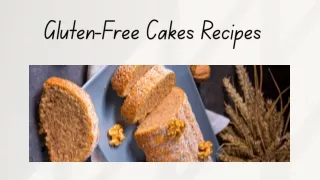
In recent years, gluten-free baking has gained significant popularity, not just among individuals with gluten intolerance but also among health-conscious consumers looking for alternative baking options. At a well-recognized Baking Institute in Chennai, students are introduced to a wide range of dietary-focused recipes, including gluten-free cakes that retain the flavor, texture, and indulgence of traditional bakes. The key to success lies in understanding ingredient substitutions, baking techniques, and the science behind how different flours and binders work without relying on gluten. What Makes Gluten-Free Baking Unique? Gluten is a protein found in wheat, barley, and rye. In traditional baking, it helps hold the structure of the cake, contributing to a soft and elastic texture. Removing gluten from the equation means replacing it with a combination of other flours and binding agents to recreate similar results.
Flour Alternatives for Gluten-Free Cakes Almond flour: Adds richness and moisture but can be heavy if not balanced with lighter flours. Rice flour: Offers a neutral flavor and fine texture, great for sponge cakes. Coconut flour: Absorbs a lot of liquid and gives a mild coconut flavor—used sparingly. Tapioca and potato starches: Improve lightness and help mimic elasticity. Oat flour: Adds a soft, chewy texture when used in the right proportions.
Enhancing Texture and Flavor One of the most common misconceptions is that gluten-free cakes are dry or bland. However, when made correctly, they can be just as delightful as traditional versions. Using ingredients like applesauce, mashed bananas, or sour cream can help retain moisture. Midway through any structured course, such as the specialized Baking Classes in Ambattur, students explore recipes that cater to dietary preferences. These classes focus on adapting traditional cake styles into gluten-free formats without sacrificing flavor or visual appeal. Through trial and error, learners understand how each substitution affects the final product, allowing them to fine-tune recipes confidently.
Conclusion Gluten-free baking is no longer a compromise—it’s an opportunity to explore new textures, flavors, and techniques that cater to a broader audience. With the right knowledge, tools, and practice, bakers can create gluten-free cakes that are rich, moist, and full of flavor. Whether through formal education or personal exploration, understanding the science behind these recipes opens the door to a world of inclusive and innovative baking.