Download
1 / 33
330 likes | 428 Vues
The Weaver Mountain Fuels Treatment Project aims to protect wildlife habitats, prevent wildfires, and enhance ecosystem health in Phoenix, Arizona. Identified issues include impact on special species and public safety, while opportunities focus on improving habitat, safety, and coordination among agencies. After scoping, concerns include tribal clearances and protection of ancestral sites. The public scoping process yielded minimal feedback, with alternative measures to be developed. Thank you for your interest.

E N D
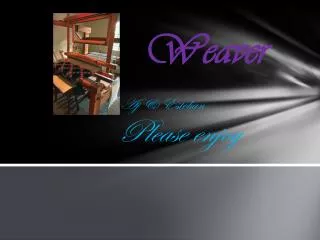
Weaver Mountain Fuels Treatment Project BLM Phoenix Field Office 21605 N. 7th Ave Phoenix, AZ
Northern portion of project area(looking toward Round Mountain)
Western portion of project area(dense interior chaparral vegetation)
Western portion of project area (dense interior chaparral vegetation)
Central portion of project area (looking toward Round Mountain)
ISSUES AND CONCERNS IDENTIFIED FOR SCOPING • To protect the desert tortoise habitat. • Adverse impact(s) to T&E and other special status species. • Big game habitat destroyed by catastrophic wildland fire. • Functional damage to range improvement and facilities. • Damage public and private improvements. • Public safety during project burning. • Impacts to local air quality. • Introduction or spread of noxious and invasive weed species. • Burns conducted within the drainages. • Impacts to the wilderness in the case of an escape.
OPPORTUNITIES IDENTIFIED FOR SCOPING • Improve big game habitat and ecosystem health. • Reduce fire suppression costs, property loss, and environmental damage. • Improve firefighter and public safety. • Proper placement of firelines and no direct ignitions in riparian areas. • During treatment, allow no-non fire personnel in treatment area. • Coordinated/communicate to reduce conflict. • Adjust livestock grazing practices. • Conduct special status surveys and heritage resource surveys. • Coordination between the BLM and other federal and state agencies. • Identify mitigation or monitoring. • Modified ignition patterns to avoid Tortoise habitat. • Consultation with BLM staff specialist(s) for burn plan development. • Precautions for protecting cultural sites and address resource concerns. • Coordination between internal specialists prior to and post treatments.
ISSUES AND CONCERNS IDENTIFIED AFTER SCOPING Tribal: • Proper clearances are conducted. • Proper plant protection. • Identification and protection of ancestral sites. • Full communication and written reports/correspondence shared. Other: • Protection for special species, species of concern and sensitive. • Protection of resources prior to re-introduction of grazing privileges. • Protection of riparian habitat areas. • Protection of identified plant and animal species for tribal use.
OUT COME FROM PUBLIC SCOPING • A Public Scoping Invitation was mailed on November 9, 2002, to 530 interested parties, identified on the National Mailing List for the Bradshaw Planning Project effort. • Over ninety (90) letters were returned “undeliverable”, and six interested parties responded with endorsement and concerns. • There were no additional/new issues or comments identified in the 30 day period. • Alternative(s) will be developed to address identified issues and concerns.
THE END THANK YOU FOR YOUR INTEREST IN OUR PROJECT THE PFO FUELS STAFF