Understanding Antibody Production in AIDS: A Study Guide
70 likes | 184 Vues
This study guide explores the crucial role of antibodies in the immune response, specifically in the context of AIDS (Acquired Immunodeficiency Syndrome). It details how lymphocytes produce antibodies, the mechanism of pathogen binding, and the activation of lymphocytes. The guide further examines the impact of HIV on the immune system, the modes of transmission of the virus, and the social implications of living with AIDS. Understanding these concepts is essential for grasping the complexities of immune deficiencies and their effects on individuals and communities.


Understanding Antibody Production in AIDS: A Study Guide
E N D
Presentation Transcript
Antibodies and AIDS Monika Siekelova Study Guide page 50
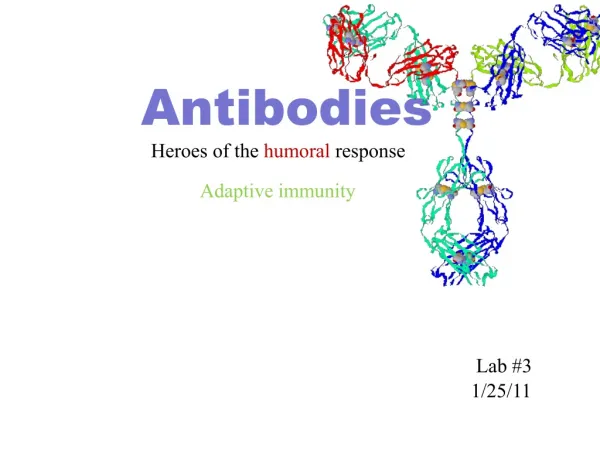
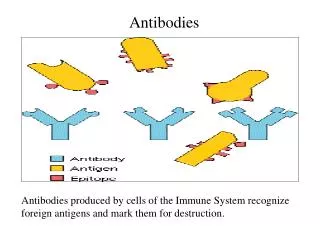
Production of Antibodies • 1. made by lymphocytes one of the two main types of leukocyte • 2. One lymphocyte can make only one type of antibody • 3.When pathogen enters, it binds to the antibodies in the plasma membrane • 4.When antigens bind to antibodies on the surface of lymphocite, it becomes active • 5.The clone of cells start to produce same antibodies
Production of Antibodies • http://highered.mcgraw-hill.com/olc/dl/120110/micro43.swf
AIDS • AIDS- Acquired immunodeficiency syndrome • CAUSE • HIV causes AIDS. Virus infect a type of lymphocyte that plays vital role in antibody production • Without immune system the body is vulnerable to pathogens
AIDS • Transmission • Does not survive long outside the body • Body fluids from infected person • Through small cuts or tears in vagina, penis, mouth etc • Blood on hypodermic needle • Across placenta from mother to baby • Transfused blood
AIDS • Social implications • Families and friends suffer • Families become poorer due to life insurance • May be stigmatize and not find partners, job etc. • Sexual activity might be reduced because of fear
VOCABULARY • Syndrome- is a group of symptoms that are found together • AIDS- type of a syndrome • http://www.youtube.com/watch?v=Ec7Fybkf-Vs