EPR-Certification-Process
The EPR certification process in India is a mandatory compliance framework regulated by the Central Pollution Control Board (CPCB) for manufacturers, importers, and brand owners. It ensures that businesses take responsibility for managing and recycling the waste generated from their products, including e-waste, plastic packaging, and batteries.nThe EPR certification process involves multiple steps such as applicability assessment, documentation, EPR plan preparation, portal registration, application filing, and approval from authorities.

EPR-Certification-Process
E N D
Presentation Transcript
EPR Certification Process in India Step-by-Step Compliance Guide by JS Certification
What is EPR Certification Process? The Extended Producer Responsibility (EPR) certification process in India is a structured, mandatory procedure defined by the Central Pollution Control Board (CPCB) to ensure proper waste management by producers, importers, and brand owners across various industries. This comprehensive compliance framework requires businesses to take responsibility for the entire lifecycle of their products, particularly the post-consumer waste phase. The process involves detailed documentation, mandatory registration with regulatory authorities, approval acquisition, and ongoing compliance monitoring to legally operate in India. Proper EPR certification demonstrates environmental commitment and ensures businesses meet their legal obligations under India's environmental regulations.
Who Must Follow EPR Certification Process Extended Producer Responsibility applies to various business entities involved in manufacturing, importing, or selling products that generate waste. These organisations must obtain proper certification to operate legally. Manufacturers Importers Companies producing plastic, electronic goods, batteries, and other regulated products Businesses bringing regulated products into India from foreign markets Brand Owners E-commerce Sellers Companies owning brands of products that fall under EPR regulations Online platforms selling plastic, electronic, or battery products Battery Product Sellers Plastic Product Sellers Special category for manufacturers and importers of batteries Businesses dealing with plastic packaging and products requiring certification
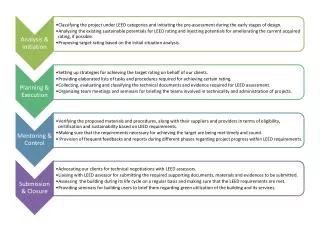
Step-by-Step EPR Certification Process The EPR certification journey involves seven critical stages, each requiring careful attention to detail and proper documentation to ensure successful registration with CPCB. 01 02 03 Business Applicability Check Data & Document Collection EPR Plan Preparation Determine if your business activities fall under EPR regulations and identify the specific category and sub-category Gather all required business documents, product details, and waste management information Develop a comprehensive waste management plan including collection targets and recycling partnerships 04 05 06 CPCB Portal Registration Application Submission Review & Approval Create account on CPCB's online portal and prepare for application submission Complete and submit all required forms with supporting documents through the portal CPCB reviews application, may request clarifications, and processes approval 07 Certificate Issuance Receive official EPR certificate and begin compliance reporting
Documents for EPR Certification Process Successful EPR registration requires submission of specific documents. Prepare these in advance to expedite your application process. 1 2 Company Registration Proof GST Certificate Business incorporation certificate, partnership deed, or registration certificate Valid GST registration certificate showing business PAN and tax details 3 4 Product Details Waste Management Plan Complete information about products, categories, and estimated waste generation Detailed strategy for collection, recycling, and disposal of post-consumer waste 5 6 Agreement with Recyclers Additional Supporting Documents Contracts with authorised recyclers, dismantlers, or collection agencies MSME certificate (if applicable), import licenses, or other category-specific documents
EPR Certification Timeline & Cost Processing Timeline The EPR certification process typically takes 2-6 weeks from application submission to certificate issuance, depending on several factors: • Accuracy and completeness of documentation submitted • Response time to CPCB queries or clarifications • Business category and complexity of operations • Current workload at CPCB processing centres Cost Factors Registration fees vary significantly based on business category, waste type, and annual turnover. Additional costs may include: • Consultancy and documentation preparation • Recycler agreement charges • Portal application fees
Challenges in EPR Certification Process Many businesses face obstacles during EPR registration. Understanding these challenges helps you prepare better and avoid common pitfalls. Complex Documentation CPCB Compliance Issues Finding Authorised Recyclers Navigating extensive paperwork, technical requirements, and multiple forms can overwhelm first-time applicants Understanding regulatory requirements, eligibility criteria, and category classifications requires expert knowledge Locating and partnering with CPCB-authorised recyclers and dismantlers in your region can be time-consuming Meeting Collection Targets Delays in Approval Setting realistic yet achievable waste collection and recycling targets requires careful planning and industry knowledge Processing delays due to incomplete applications, queries, or high CPCB workload can extend timelines significantly
JS Certification – Your EPR Partner Navigate the EPR certification process with confidence. Our expert team provides comprehensive support at every stage, ensuring fast, accurate, and hassle-free registration. End-to-End Support Fast Processing Complete guidance from initial assessment through certificate receipt and ongoing compliance management Streamlined procedures and expert knowledge to minimise processing time and expedite approvals Error-Free Filing Compliance Management Thorough document verification and professional preparation to prevent rejections and queries Post-certification support including annual reporting, target tracking, and renewal assistance
Benefits of Proper EPR Certification Obtaining EPR certification provides significant advantages for your business, from legal compliance to enhanced market positioning. Legal Business Operations Operate legally without fear of regulatory action, fines, or business disruption due to non-compliance Avoid Penalties Prevent hefty fines, business closure, or legal action under environmental regulations Build Brand Trust Demonstrate environmental responsibility to customers, partners, and investors Ensure Sustainability Contribute to environmental protection through proper waste management and recycling
Start Your EPR Certification Process Today Don't let complex regulations delay your business operations. Get expert assistance for fast and hassle-free EPR registration with JS Certification. Contact us today to discuss your specific requirements and receive a customised solution for your EPR certification needs. Ready to Begin? Visit our EPR certification process page for detailed information, requirements, and application procedures. Get Started Now Contact Us