Key Parameters Measured by 5G Measuring Equipment
0 likes | 3 Vues
Unlock the core metrics that define 5G performance. Our PDF, Key Parameters Measured by 5G Measuring Equipment, offers a concise and insightful look into frequency, latency, throughput, and more. Ideal for engineers and network testers looking to stay ahead in the 5G race.


Key Parameters Measured by 5G Measuring Equipment
E N D
Presentation Transcript
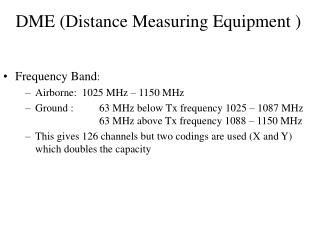
Key Parameters Measured by 5G Measuring Equipment 5G networks demand high-speed, low-latency communication, and 5G measuring equipment is essential to ensure these expectations are met. Accurate testing with the right tools helps network operators and equipment manufacturers validate performance, reliability, and compliance. 1. Frequency Range 5G operates across a broad spectrum, including sub-6 GHz and mmWave frequencies. Measuring equipment must validate signal integrity and performance across these bands to ensure seamless coverage and capacity. 2. Signal Strength (RSSI) Received Signal Strength Indicator (RSSI) measures the power level of received signals. This is vital for evaluating coverage and identifying areas with weak or inconsistent signals. 3. Signal-to-Noise Ratio (SNR) SNR quantifies signal clarity by comparing the level of a desired signal to background noise. High SNR values are crucial for ensuring stable and high-throughput connections in 5G networks.
4. Latency and Jitter 5G applications like autonomous driving and remote surgery demand ultra-low latency. Test equipment must measure latency (delay) and jitter (variation in delay) to ensure performance in real-time applications. 5. Modulation Accuracy (EVM) Error Vector Magnitude (EVM) indicates how accurately a transmitted signal conforms to its ideal modulation format. It's a key metric in verifying signal quality in 5G devices. 6. Throughput Testing Throughput measures the rate of successful data transfer over a network. 5G test tools assess peak and average throughput under different conditions to validate network capacity. 7. Beamforming and MIMO Validation 5G uses beamforming and Multiple-Input Multiple-Output (MIMO) for better coverage and efficiency. Test equipment verifies the alignment, switching, and performance of these advanced technologies. Conclusion Accurate and comprehensive measurement of these parameters ensures the reliability and performance of 5G networks. Investing in the right test equipment is key to staying ahead in the evolving telecom landscape. www.orbissystems.eu