Allegro PCB Designer_ How to Achieve Accurate Layer Stackups
0 likes | 20 Vues
The design of printed circuit boards (PCBs) has rapidly evolved to accommodate increasingly complex technological demands. Accurate layer stackups are essential in PCB design, ensuring both functionality and durability of the circuit board. Stackups, essentially the arrangement of layers in a PCB, determine how well signals are transferred, how much interference is minimized, and how efficiently power is distributed. With sophisticated software like Allegro PCB, designers can leverage advanced tools and methodologies to achieve precision in every aspect of the stackup process.<br>


Allegro PCB Designer_ How to Achieve Accurate Layer Stackups
E N D
Presentation Transcript
Allegro PCB Designer: How to Achieve Accurate Layer Stackups
Introduction to Layer Stackups in PCB Design The design of printed circuit boards (PCBs) has rapidly evolved to accommodate increasingly complex technological demands. Accurate layer stackups are essential in PCB design, ensuring both functionality and durability of the circuit board. Stackups, essentially the arrangement of layers in a PCB, determine how well signals are transferred, how much interference is minimized, and how efficiently power is distributed. With sophisticated software like Allegro PCB, designers can leverage advanced tools and methodologies to achieve precision in every aspect of the stackup process.
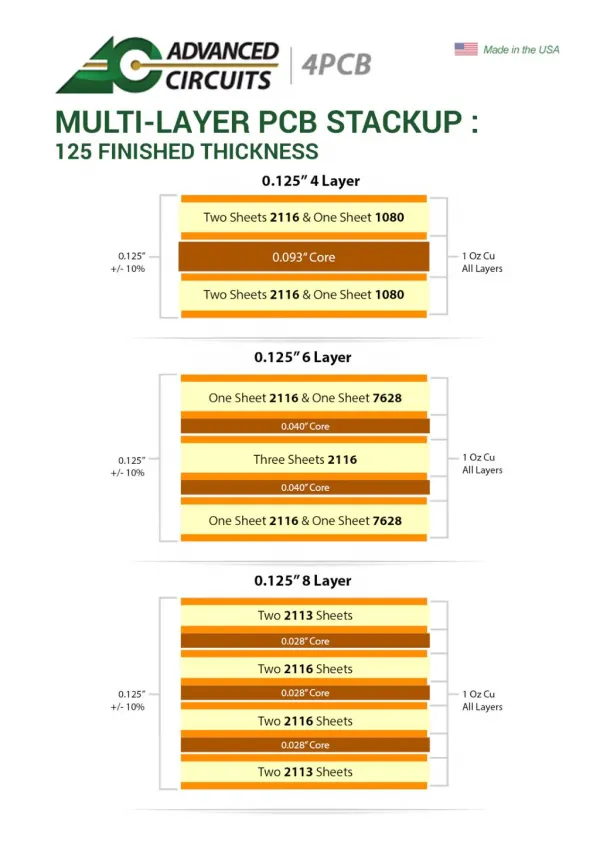
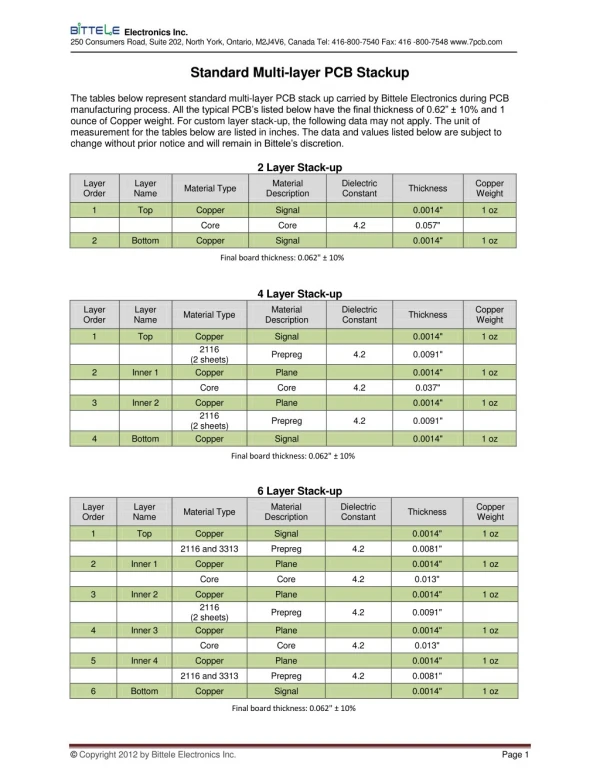
Understanding the Basics of PCB Layer Stackups In PCB design, a layer stackup refers to the arrangement and alignment of various conductive and non-conductive layers within the PCB structure. Stackups are designed to optimize space, reduce electromagnetic interference (EMI), and enhance thermal management. The structure of a stackup typically includes conductive layers for signals and power, separated by insulating materials to maintain stability and prevent short circuits. The careful arrangement of these layers ensures that high-frequency signals are transferred with minimal loss, while power layers efficiently distribute electrical current.
Importance of Accurate Layer Stackups For any PCB, especially those used in high-frequency and high-power applications, accurate layer stackups are critical to performance and longevity. An accurate stackup ensures signal integrity, reduces EMI, and manages thermal dissipation effectively. These factors are particularly important for applications in telecommunications, automotive electronics, and medical devices, where precision and reliability are paramount.
Designing Layer Stackups with Allegro PCB Designer One of the primary challenges in designing layer stackups is managing the arrangement of signal and ground layers to avoid interference. With Allegro PCB Designer, engineers have access to a range of features that aid in organizing and verifying stackup arrangements. The software includes a stackup editor, which allows for the visualization of different layers and the adjustment of their thickness and material composition. This feature also assists in evaluating how changes in stackup affect impedance control and power distribution across the board. Designers can also define and assign specific functions to each layer, such as signal, ground, and power layers. Accurate assignment of these roles prevents noise generation and enhances the stability of high-speed signals.
Layer Thickness and Material Selection Layer thickness and material composition are crucial considerations in achieving accurate stackups. The choice of dielectric materials between layers impacts not only the durability but also the electrical properties of the PCB. Thicker materials provide better isolation for high-voltage applications, while thin layers are used for compact designs where space is at a premium.
Thermal Management and Power Distribution In complex PCB designs, managing heat and distributing power effectively are essential for reliability. High-power devices, in particular, require efficient thermal dissipation to avoid overheating, which could damage the PCB or reduce its lifespan. Allegro PCB provides designers with options to integrate dedicated power and ground planes within the stackup, facilitating uniform power distribution and efficient heat dissipation. The OrCAD PCB designer platform, with its initial setup tools, can guide engineers in defining these critical layers before moving on to Allegro PCB for further optimization.
Conclusion The role of layer stackups in PCB design cannot be overstated, as they form the foundation for the board’s performance, reliability, and efficiency. Through precise configuration, careful material selection, and advanced simulation, engineers can achieve stackups that meet stringent requirements for high-speed and high-power applications. Both Allegro PCB and OrCAD PCB designer provide powerful resources for engineers, allowing them to create, test, and refine stackups with precision.