Understanding the Skull: Anatomy and Functions of the Human Cranium
This lecture explores the anatomy of the skull, also known as the cranium, which serves to protect the brain and house our sensory organs. It covers key bones such as the frontal, parietal, occipital, temporal, sphenoid, and ethmoid bones. Learn about their locations, interconnections through sutures, and specific features like the foramen magnum and nasal septum. Discover how these bones not only protect vital organs but also support functions like mucus production and the housing of the pituitary gland.

Understanding the Skull: Anatomy and Functions of the Human Cranium
E N D
Presentation Transcript
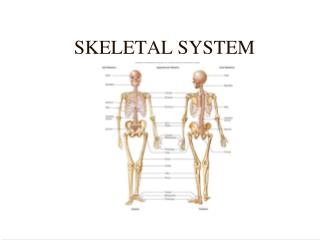
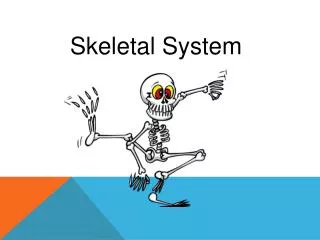
The Skull • AKA: The Cranium • Protects our brain • Gives us our senses
Frontal Bone • Forehead • Orbits—spaces for eyes • Frontal sinuses—air-filled chambers • Lighten bone • Produce mucus for nasal cavity
Parietal Bone (Paired) • Posterior to frontal bone • Sagittal suture—locks 2 bones together • Coronal suture--locks parietal to frontal
Occipital Bone • Most posterior • Lambdoid Suture—locks occipital with parietal • Foramen magnum—where spinal cord passes
Temporal Bone (Paired) • Below parietal • Squamous suture—connects parietal to temporal
Sphenoid Bone • Part of floor of cranium • Unites cranium and facial bones • Sellaturcica—depression that houses pituitary gland
Ethmoid Bone • Anterior to sphenoid • Medial eyes and roof and sides of nasal cavity • Nasal septum—divides nose into left/right sides