
SlideServe
Menu
Préférences
© SlideServe · v2026

Understanding Prokaryotic and Eukaryotic Cells: Key Differences and Characteristics

alamea avatar
6 diapositives · 251 Views · Aug 23, 2014

This guide compares prokaryotic and eukaryotic cells, highlighting their fundamental differences. Prokaryotic cells, such as bacteria, have circular DNA, lack a nucleus, and are exclusively single-celled. In contrast, eukaryotic cells possess paired chromosomes, can be single-celled or multi-celled, have a defined nucleus, and contain membrane-covered organelles. Examples of eukaryotic organisms include protists, fungi, plants, and animals. Understanding these differences is essential for studying cellular biology, function, and diversity in life forms.
Understanding Prokaryotic and Eukaryotic Cells: Key Differences and Characteristics - slide 1
01 / 6Understanding Prokaryotic and Eukaryotic Cells: Key Differences and Characteristics
1 / 17

Télécharger la présentation

Understanding Prokaryotic and Eukaryotic Cells: Key Differences and Characteristics
Une image / un lien ci-dessous est fourni (tel quel) pour télécharger la présentation

Politique de téléchargement : le contenu du site vous est fourni TEL QUEL pour votre information et votre usage personnel ; il ne peut être vendu, concédé sous licence ni partagé sur d’autres sites sans l’accord de son auteur.Le contenu vous est fourni TEL QUEL, pour votre information et votre usage personnel uniquement. Téléchargez la présentation en cliquant sur ce lien. Lors du téléchargement, si vous ne parvenez pas à télécharger une présentation, l’éditeur a peut-être supprimé le fichier de son serveur.Pendant le téléchargement, si vous ne parvenez pas à obtenir une présentation, le fichier a peut-être été supprimé par l’éditeur.

F I N

Plus de contenu associé

Transcription de la présentation
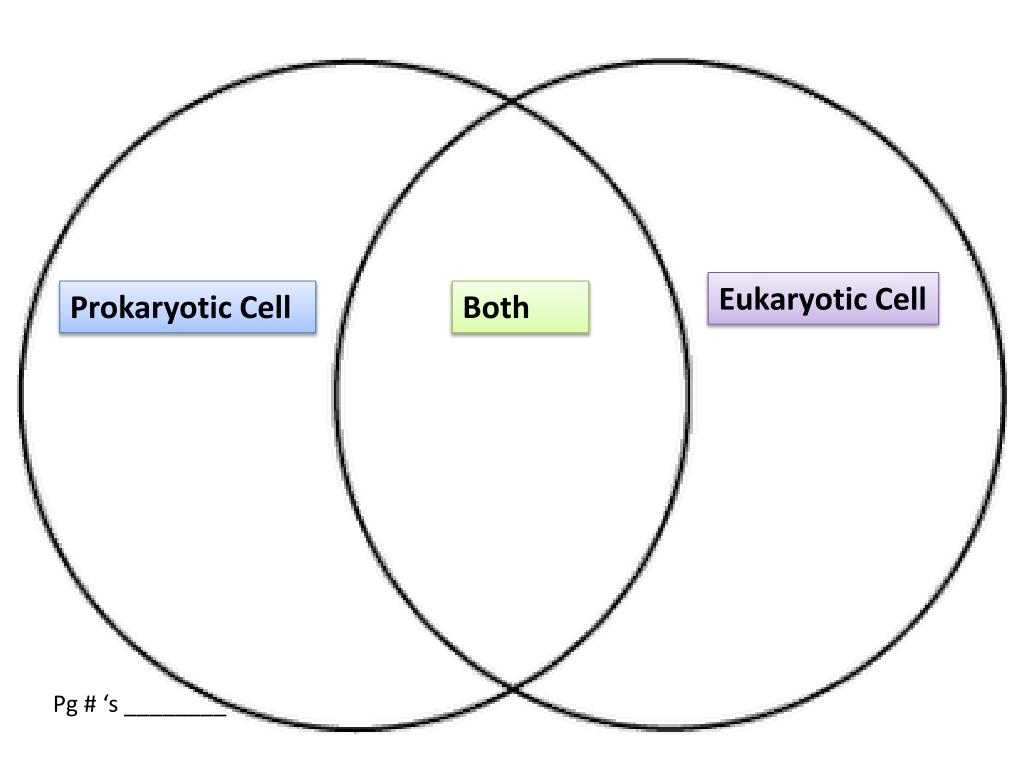
  1. Eukaryotic Cell Prokaryotic Cell Both Pg # ‘s ________

  2. Prokaryotic Cell • circular DNA • only single celled • no nucleus • Bacteria

  3. Eukaryotic Cell Prokaryotic Cell • paired chromosomes • single celled or • multi-celled • has a nucleus • membrane covered organelles • Protists • Fungi • Plants • Animals • circular DNA • only single celled • no nucleus • Bacteria

  4. Eukaryotic Cell Prokaryotic Cell Both • paired chromosomes • single celled or • multi-celled • has a nucleus • membrane covered organelles • Protists • Fungi • Plants • Animals • circular DNA • only single celled • no nucleus • Bacteria • have DNA • can have cell walls • cells function similarly

  5. Draw and Compare • Pg#________, glue in handout • Follow directions on handout. • You have 10 minutes.

  6. Rotifers Volvox http://www.youtube.com/watch?v=wDyKhhqP0Xc http://www.youtube.com/watch?v=He9FSeGRi3A&feature=plcp Euglena How Big is small? http://www.cellsalive.com/howbig.htm http://www.youtube.com/watch?v=0rNI8Bos_BQ