PROJECT PRESENTATION - PHASE 2 System Requirements Specification
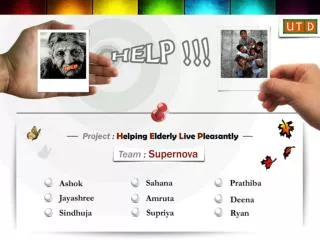
This presentation focuses on the system requirements specification for an Android-based application aimed at improving accessibility for users with disabilities. We will discuss changes from Phase 1, including how our solution addresses critical issues like usability, security, and performance. Key features include an emergency service interface, medical device monitoring, finance planning, medication reminders, and support for sign language. We leverage systematic decision-making and traceability to ensure a refined user experience. Join us to explore how we stand out in addressing user needs.

PROJECT PRESENTATION - PHASE 2 System Requirements Specification
E N D
Presentation Transcript
PROJECT PRESENTATION - PHASE 2 System Requirements Specification INSTRUCTOR : Dr. LAWRENCE CHUNG TEACHING ASSISTANT : RUTVIJ MEHTA
INTRODUCTION Problem Process Product Changes from Phase 1 Demo Why we are better
DOMAIN REQUIREMENT ISSUE - INCOMPLETERequirement: The user shall know how to use the basic features of the Android phone.
DOMAIN REQUIREMENT ISSUE - AMBIGUITYRequirement: The user shall have an Android Phone
DOMAIN REQUIREMENT ISSUE - INCOMPLETERequirement: The phone must have an inbuilt microphone to record speech
FR ISSUE – INCOMPLETE, AMBIGUITY The call for help feature will allow the user to select from the emergency services, family and their assistant and puts them in touch within 10 seconds.
FR ISSUE – INCOMPLETE The medical device monitor will allow elderly people to send their vital signs data from remote devices such as a weighing scale, sphygmomanometer and cardio belt to the smart phone via Bluetooth, where it is saved in the same format in which it is received and maintaining the case history of patients.
Issue IN+001 – Tradeoff between Reliability and Responsiveness
WHY ARE WE BETTER? All disabilities considered Systematic Decision Making Traceability Spiral Model Pareto principle Version Control
WHY ARE WE BETTER? Key Features: Emergency Service Medical Device Monitor Finance Planner Medication Reminder Photo Album Sign Language