

SlideServe
Menu
Préférences
© SlideServe · v2026

Volcano

albany avatar
11 diapositives · 484 Views · Jul 18, 2014

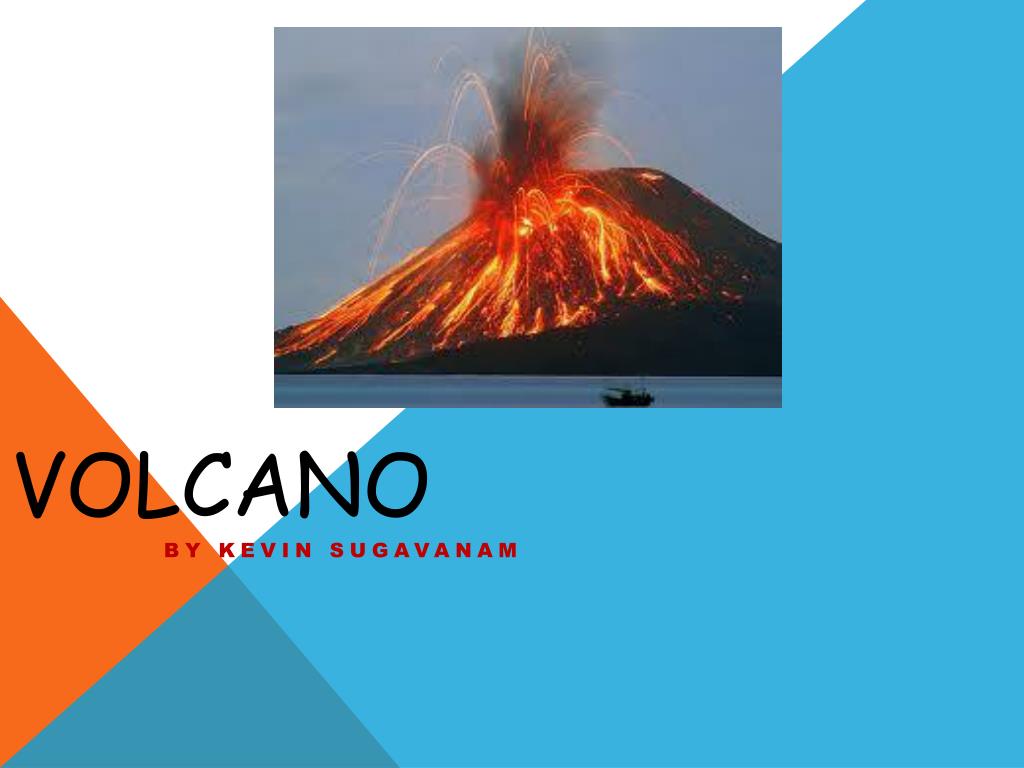
Volcano. By Kevin Sugavanam. Where does your disaster typically happen?. Volcanic eruptions are very abundant in Hawaii. But that’s not all. There is also volcanoes in Europe that erupt a lot. There is a lot of volcanoes in China. Volcanoes are in every country. .
Volcano - slide 1
01 / 11Volcano
1 / 17

Télécharger la présentation

Volcano
Une image / un lien ci-dessous est fourni (tel quel) pour télécharger la présentation

Politique de téléchargement : le contenu du site vous est fourni TEL QUEL pour votre information et votre usage personnel ; il ne peut être vendu, concédé sous licence ni partagé sur d’autres sites sans l’accord de son auteur.Le contenu vous est fourni TEL QUEL, pour votre information et votre usage personnel uniquement. Téléchargez la présentation en cliquant sur ce lien. Lors du téléchargement, si vous ne parvenez pas à télécharger une présentation, l’éditeur a peut-être supprimé le fichier de son serveur.Pendant le téléchargement, si vous ne parvenez pas à obtenir une présentation, le fichier a peut-être été supprimé par l’éditeur.

F I N

Plus de contenu associé

Transcription de la présentation
  1. Volcano By Kevin Sugavanam

  2. Where does your disaster typically happen? Volcanic eruptions are very abundant in Hawaii. But that’s not all. There is also volcanoes in Europe that erupt a lot. There is a lot of volcanoes in China. Volcanoes are in every country.

  3. How often do volcanoes occur? Here’s a chart of eruptions from 1875-1993 as you can see, the amount of eruptions increases greatly.

  4. What Structures of the Earth are Directly Involved with Volcanoes? Plates of the Earth, Volcanic mountains, Plate lines, and shifting plates are all involved in or around a volcano. Volcanic Mountain

  5. What usually happens? • Magma, or molten rock, lifts up to the surface. When it gets up to the top, lava (magma that has been in oxygen) spews out of the area that the magma raised. Ash was brought up from the center of the Earth and floats around everywhere. The fallen ash is what makes the shape of the volcano.

  6. What are the most extreme conditions that can happen with your disaster? Some of the most extreme conditions are heat, fire, Poisonous gas, pumice (ash rocks), and volcanic rocks. Even Tsunamis (Giant Tidal Wave) and Earthquakes can happen! Pumice Tsunami

  7. Scale • Volcanoes are measured by the VEI scale. This scale goes from VEI 0-VEI 7. Yellowstone 600,000 years ago was definitely a VEI 7. VEI stands for Volcanic • Explosivity Index.

  8. After Effects • Some of the after effects like Earthquakes, Tsunamis, Fires, Lava, ash clouds which destroy everything in their path.

  9. Key terms • Volcanic Mountain: a cone shaped structure that is formed by volcanic ash fallen form the sky. • Pumice: Falling large rocks • Tsunami: Giant tidal wave

  10. Facts • Ash clouds contain a poisonous gas that will kill you if you breathe it in. • Safety • Before: • If you see ash coming out of the volcano or earthquakes, it means you will probably be experiencing a volanic eruption. Make a volcano safety kit. • This kit will include no perishable food and supplies such as peanuts and towels • During: • Find shelter that ash could not get in or burn down. Make sure you wear something to cover your mouth. Also, try to get as far away from the volcano as possible. • After: Try to rebuild you house and/or help people rebuild there houses.

  11. Sources • Google Images • "Volcano." U*X*L Encyclopedia of Weather and Natural Disasters. Vol. 4: Optical Effects to Wildfire. Detroit: UXL, 2008. 587-615. Gale Science In Context. Web. 10 Feb. 2012. • Volcano Wikipeida