Iroqouis Constitution
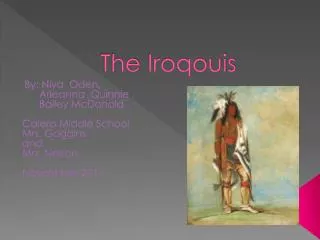
The Iroquois Constitution serves as a pivotal political document that outlines the structure and practices of the Iroquois Confederacy, encompassing the Seneca, Cayuga, Onondaga, Oneida, and Mohawk tribes. This analysis explores the constitution's symbolic elements, including the representation of peace through natural symbols such as trees. United under the guidance of Dekanawidah, the tribes formed a powerful alliance, effectively controlling Native territories and resisting European encroachment. The "Great Law of Peace", originally an oral tradition, was documented in the nineteenth century, preserving tribal unity.

Iroqouis Constitution
E N D
Presentation Transcript
Literary Analysis • Constitution: the act or process of composing, setting up, or establishing. • Political Document: defines structure and practices of a political organization (the Iroquois Confederacy) • Symbol: person, place, animal, or object that represents something else. EX: tree symbolizes peace among the uniting tribes
Authors of the Iroquois Constitution • Confederacy: Seneca, Cayuga, Onondaga, Oneida, and Mohawk tribes (The Five Nations) united by Dekanawidah, a traveling prophet urging unity among Natives. • Relatively small group, but there unification made them very powerful- gained control over many Native American tribes and kept Europeans from invading NY Hudson River area. • Most organized Native American group • Great Binding Law/Great Law of Peace: Oral tradition—recorded in shell beads called wampum, which served as a memory device or recitation. • Constitution was written down in the nineteenth century.