
SlideServe
Menu
Préférences
© SlideServe · v2026

Comprehensive Guide to Marsh Dieback Syndrome (MaDS) Identification for Wetland Management

aristotle-carter avatar
69 diapositives · 834 Views · Nov 14, 2014

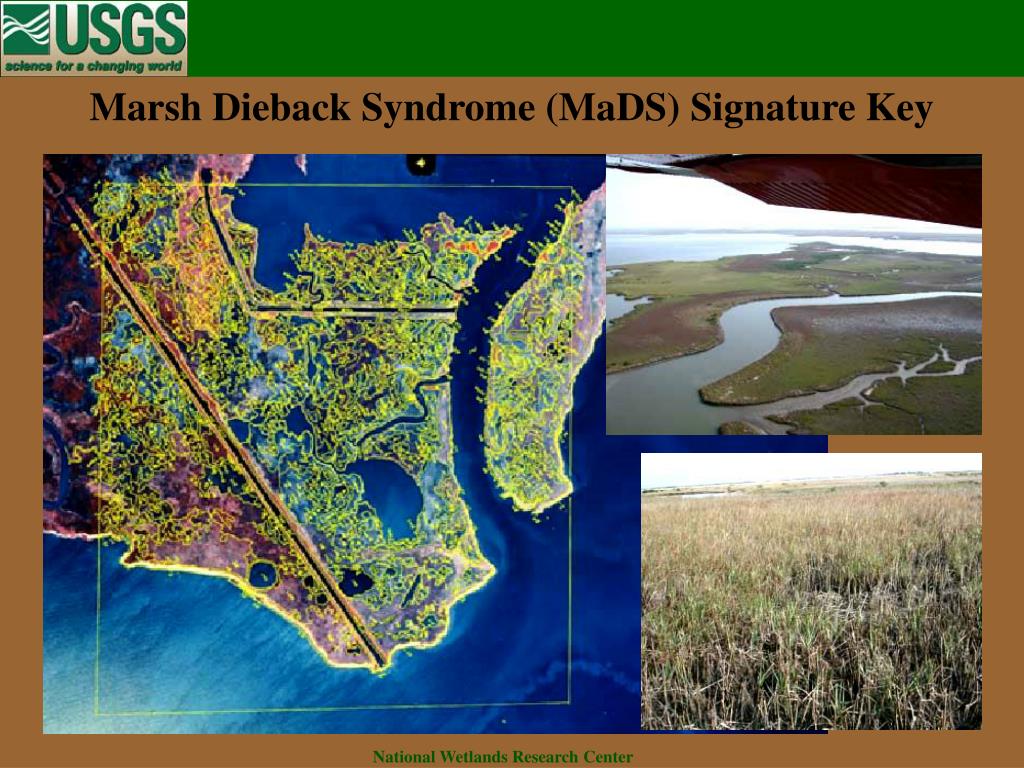
The Marsh Dieback Syndrome (MaDS) Signature Key, developed by the National Wetlands Research Center, provides a systematic approach for photointerpreters to identify critical characteristics of healthy and affected marshlands. Using high-altitude color infrared photography, this key aims to enhance marsh classification and understanding of MaDS. The key's development relies on iterative field observations and laboratory analyses of aerial photography, ensuring consistency in data. Monthly aerial observations since 2000 support ongoing assessments of marsh conditions, contributing to effective wetland management.
Comprehensive Guide to Marsh Dieback Syndrome (MaDS) Identification for Wetland Management - slide 1
01 / 69Comprehensive Guide to Marsh Dieback Syndrome (MaDS) Identification for Wetland Management
1 / 17

Télécharger la présentation

Comprehensive Guide to Marsh Dieback Syndrome (MaDS) Identification for Wetland Management
Une image / un lien ci-dessous est fourni (tel quel) pour télécharger la présentation

Politique de téléchargement : le contenu du site vous est fourni TEL QUEL pour votre information et votre usage personnel ; il ne peut être vendu, concédé sous licence ni partagé sur d’autres sites sans l’accord de son auteur.Le contenu vous est fourni TEL QUEL, pour votre information et votre usage personnel uniquement. Téléchargez la présentation en cliquant sur ce lien. Lors du téléchargement, si vous ne parvenez pas à télécharger une présentation, l’éditeur a peut-être supprimé le fichier de son serveur.Pendant le téléchargement, si vous ne parvenez pas à obtenir une présentation, le fichier a peut-être été supprimé par l’éditeur.

F I N

Plus de contenu associé

Transcription de la présentation
  1. Marsh Dieback Syndrome (MaDS) Signature Key National Wetlands Research Center

  2. Marsh Dieback Syndrome (MaDS) Signature Key The objective of this signature key is to provide a consistent method for photointerpreters to delineate important features of healthy and affected marsh. This key will assist the user in understanding marsh classification using high-altitude color infrared photography as applied to the Marsh Dieback Syndrome. The process of developing a key iterates between field observations and laboratory analysis of the photography. Ground level field observations were carried-out primarily during the winter of 2001 with additional observations made at other times. Ongoing oblique, low-altitude monthly aerial observations have been conducted continuously since the summer of 2000. Whenever possible, the photos in this signature key refer to the same dates and locations in order to provide consistency across the scale of photography. National Wetlands Research Center

  3. Marsh Dieback Syndrome (MaDS) Signature Key Impacted by Brown Marsh: Non-impacted Areas: Wetland Upland IEM US UB BM2 OW USBM UR AB USDM USS USS1 USS3 USS4 EM IUS UF1 UF3 UF4 UF SS SS1 SS3 SS4 SSg IOW UU FO FO1 FO3 FO4 IAB RS Modifiers: x s h o k BACK TO INTRODUCTION National Wetlands Research Center

  4. Non-Impacted BACK National Wetlands Research Center

  5. Impacted BACK National Wetlands Research Center

  6. Classification Modifiers BACK National Wetlands Research Center

  7. EM Emergent Marsh EM example (Aerial Photography) EM example (Oblique Photo) EM example (Ground Photo) BACK National Wetlands Research Center

  8. EM_CIR BACK

  9. EM_OBL BACK

  10. EM_GRD BACK

  11. SS Scrub Shrub SS1 example (Aerial Photography) SS1 example (Oblique Photo) SSg example (Aerial Photography) SSg example (Oblique Photo) SSg example (Ground Photo) BACK National Wetlands Research Center

  12. SS1_CIR BACK

  13. SS1_OBL BACK

  14. SSg_CIR BACK

  15. SSg_OBL BACK

  16. SSg_GRD BACK

  17. FO Forest FO1 example (Aerial Photography) FO1 example (Oblique Photo) FO1 example (Ground Photo) BACK National Wetlands Research Center

  18. FO1_CIR BACK

  19. FO1_OBL BACK

  20. FO1_GRD BACK

  21. AB Aquatic Bed BACK National Wetlands Research Center

  22. OW Open Water OW example (Oblique Photo) OW example (Ground Photo) OWx example (Oblique Photo) BACK National Wetlands Research Center

  23. OW_OBL BACK

  24. OW_GRD BACK

  25. OWx_OBL BACK

  26. US Unconsolidated Shore US example (Oblique Photo) US example (Ground Photo) BACK National Wetlands Research Center

  27. US_OBL BACK

  28. US_GRD BACK

  29. RS Rocky Shore RSk example (Ground Photo) BACK National Wetlands Research Center

  30. RSk_GRD BACK

  31. USS Upland Scrub Shrub USS1 example (Ground Photo) BACK National Wetlands Research Center

  32. USS1_GRD BACK

  33. UF Upland Forest UF1 example (Aerial Photography) UF1 example (Oblique Photo) UF1 example (Ground Photo) BACK National Wetlands Research Center

  34. UF1_CIR BACK

  35. UF1_OBL BACK

  36. UF1_GRD BACK

  37. UR Upland Range UR example (Aerial Photography) UR example (Ground Photo) BACK National Wetlands Research Center

  38. UR_CIR BACK

  39. UR_GRD BACK

  40. UB Upland Barren UB example (Aerial Photography) UB example (Oblique Photo) BACK National Wetlands Research Center

  41. UB_CIR BACK

  42. UB_OBL BACK

  43. UU Upland Urban UU example (Aerial Photography) UU example (Ground Photo) UUo example (Aerial Photography) BACK National Wetlands Research Center

  44. UU_CIR BACK

  45. UU_GRD BACK

  46. UUo_CIR BACK

  47. IEM Slightly impacted emergent marsh vegetation. IEM example (Aerial Photography) IEM example (Oblique Photo) IEM example (Ground Photo) BACK National Wetlands Research Center

  48. IEM_CIR BACK

  49. IEM_OBL BACK

  50. IEM_GRD BACK