Outline
This study investigates semantic characteristics of pulmonary nodules and their impact on automated detection methodologies. It presents findings from a comprehensive analysis of 149 nodules, noting wide variability in key characteristics like lobulation, malignancy, margin, sphericity, spiculation, subtlety, and texture. The research utilizes a semi-supervised active learning approach to enhance classification accuracy through data iteration. The developed system aligns with the IRMA radiology report standards, facilitating effective communication in diagnostic procedures.

Outline
E N D
Presentation Transcript
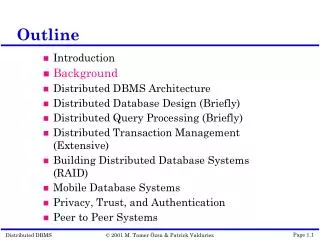
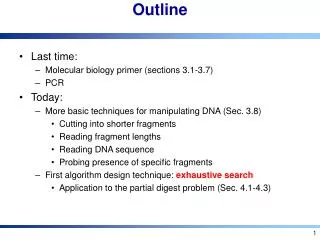
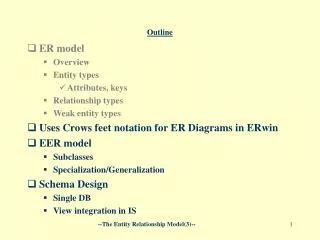
Outline • Introduction • Anotation • Segmentation • Detection
Nodule interpretation (characteristics) • 7 out of 9 semantic characteristics have a broad range of values for the 149 nodules 2
Interpretation Not only ratings, but also boundaries are different Lobulation - 2 Malignancy - 5 Margin - 3 Sphericity - 5 Spiculation - 2 Subtlety - 5 Texture - 4 Lobulation - 4 Malignancy - 5 Margin - 4 Sphericity - 2 Spiculation - 1 Subtlety - 5 Texture - 4 Lobulation - 5 Malignancy - 5 Margin - 2 Sphericity - 3 Spiculation - 4 Subtlety - 5 Texture - 4 Lobulation - 1 Malignancy - 5 Margin - 3 Sphericity - 4 Spiculation - 2 Subtlety - 5 Texture - 5
Proposed methodology • The automatic mapping extraction is: • SEMI-SUPERVISED • Only small amount of data is initially labeled. • Based on ACTIVE LEARNING • Iteratively adds data to the training set.
IRMA • - T (technical): image modality • - D (directional): body orientation • - A (anatomical): body region examined • - B (biological): biological system examined • This allows a short and unambiguous notation (IRMA: TTTT – DDD – AAA – BBB),