Riparian Zones
240 likes | 393 Vues
A riparian zone is a vegetated buffer area adjacent to a stream that plays a vital role in protecting water quality and providing habitat. This zone consists of multiple layers: large native trees (Zone 1) provide shade and stabilization, native shrubs (Zone 2) offer wildlife habitat while absorbing contaminants, and native grasses (Zone 3) act as a first line of defense against runoff. This landscape promotes biodiversity, economic benefits, and increases land value while requiring attention to invasive species that can disrupt these crucial environments.


Riparian Zones
E N D
Presentation Transcript
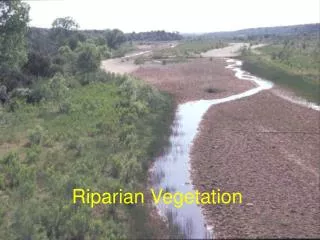
Riparian Zones A riparian zone is a vegetated area (a "buffer strip") near a stream which helps shade and partially protect a stream from the impact of adjacent land uses.
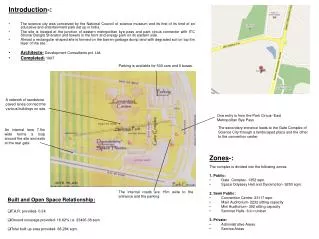
Zone 1. Large Native trees provide shade and bank stabilization • Zone 2.Native shrubs, this zone provides habitat for wildlife. Absorbs contaminants. • Zone 3.First line of defense against contaminants. Mostly of native grasses;slows water runoff. • Streambed Zone.Fallen limbs, trees, and tree roots;slows water flow, reduces erosion. Woodydebris increases habitat and cover aquatic species.
Riparian Zone Environmental Benefits • Water Quality • Intercepting sediment/ nutrients from fertilizers • Intercepting pesticides and other materials in surface runoff • Bank stabilization • Habitat benefits • Provide habitat • Increase biodiversity • Buffers acting as wildlife corridors • Shading water
Riparian Zone Environmental Benefits • Economic benefits • Increase land value - • Produce profitable alternative crops – nut crops • Increase lease fees for hunting
Native Riparian Plants Cattails Can be very aggressive.
Trees “water-loving” species Box Elder or Ashleaf Maple Silver Maple
Elms Cottonwood
Buckeye Spice bush
Edge Plants Blue Lobelia Cardinal Flower
Bidens - Sticktights Swamp Mallow
Swamp Milkweed Button Bush
Spotted Jewelweed or Touch-me-not. Also a yellow species. Good remedy for the next plant.
Poison Ivy – leaflets 3, let it be. White berries. Virginia Creeper – 5 leaflets – non poisonous (unless you eat it).
Riparian Invasive Plants – introduced plants that replace natives – often the predominant plants found in riparian zones Japanese Honeysuckle Bush Honeysuckle
Winter creeper Periwinkle English Ivy
Multiflora Rose Air Yam Garlic Mustard
Japanese Knotweed Burning Bush
Questions to consider: Why are native species more desirable than invasive species in riparian zones? What can be done to remove invasive species from riparian zones? What can be done to increase public awareness of the necessity of riparian zones along streams?