Download
1 / 7
70 likes | 188 Vues
This document outlines the critical role of ecosystem services in supporting horticultural activities, resource harvesting, and biodiversity. It highlights the provisioning of materials for pastoralism, as well as the cultural and recreational value derived from wildlife-based tourism. By addressing erosion control, climate regulation, and water quality maintenance, the ecosystem's benefits are further emphasized. Through planned deliverables—including academic papers, theses, and stakeholder outreach—the project aims to enhance scientific understanding and foster partnerships for effective ecosystem management and restoration.

E N D
Loss of ecosystem services: Provisioning: Supply of material for horticultural activities Resource harvest (medicinal plants, firewood) Supports commercial & subsistence pastoralism Cultural: Wildlife-based tourism, hunting & recreation Cultural & spiritual activities Contribution to economic diversification Regulating: Erosion & sedimentation control Climate regulation (provision of clean air) Sustaining water quality (purification) Supporting: Provision of habitat (biodiversity) Maintenance of nutrient, carbon & water cycles Soil formation & retention • Planned Deliverables • Scientific Relevance • Position • Highlights
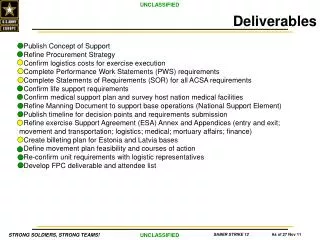
Planned Deliverables • Chapter in IUCN-CEM Ecosystem Approach Book • Papers at Thicket Forum (SA); Wildlife Management Symposium (SA); NAJU Workshop (Germany); ISEE 2008 (Kenya) & IUCN-WCC (Spain); • 8 MSc Theses (w/ posters) using SELS framework; • Probable (co-funded sandwich) PhD trajectories • 2 peer-reviewed articles • Stakeholder outreach newsletters & updates • Leverage for continued support / funding Planned Deliverables Scientific Relevance Position Highlights
Scientific Relevance • Testing the SELS framework with respect to: • international relevance • restoration of ecosystem/landscape services (understanding the trade-offs with land-use changes) • transdisciplinarity & integration of concepts • effective stakeholder engagement (how does the framework answer the right questions for the right people?) • Contribution to scientific understanding of values, perceptions, trade-offs & financing across institutional and geographical scales. Planned Deliverables Scientific Relevance Position Highlights
Position Establishing partnerships with: • Various WUR Chair Groups (MSc students) • Water for Food & Ecosystems Programme of the Dutch Government (LNV-DLG) (in collaboration with WUR-ALTERRA, WUR-LEI) . • CSIR ecosystem services research programme • DWAF and CAPE PES research programme Planned Deliverables Scientific Relevance Position Highlights
Future Position? • Ecosystem Management And Restoration Knowledge (EMARK) Centre – Research & Botanical Gardens Realising the 2008 AMC2 “Growing into the Future” Nursery Proposal Planned Deliverables Scientific Relevance Position Highlights
Highlights • Successful 3-day workshop (2007) • Inventory knowledge, expertise &partners: what we have and what is needed • Identifying key questions and focus areas from research-implementation perspective • Stimulating collaboration for supporting multidisciplinary research &capacity building – institutional fixing & social capital • Publishing and distributing of the PRESENCE Workshop Outcomes (Apr. 2008) Highlights Planned Deliverables Scientific Relevance Position Highlights