Conditional Gifts
This article explores the concept of conditional gifts in estate planning, focusing on conditions precedent and subsequent. It discusses how a beneficiary must meet certain conditions to claim gifts, such as educational achievements or personal conduct. Validity concerns, including the legality of conditions and how personal habits or marital status can influence them, are also examined. Recommendations for effective estate planning include clarity in conditions, gradual gifting, and alternative techniques like trusts for better management of assets.

Conditional Gifts
E N D
Presentation Transcript
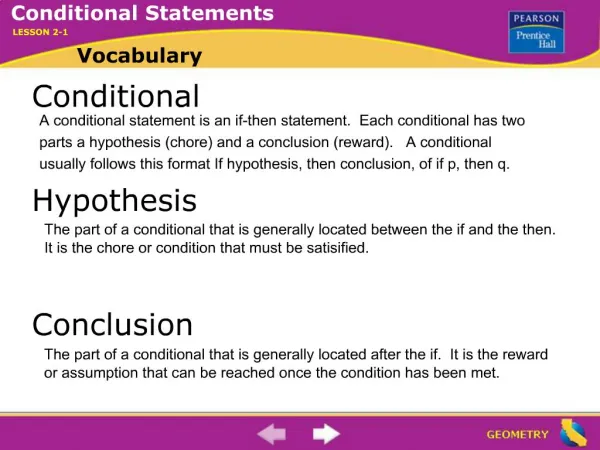
Condition Precedent • Event must occur before beneficiary may claim the gift. • “I leave $10,000 to X if she is a law school graduate at the time of my death.”
Condition Subsequent • Beneficiary receives and retains the gift until the condition is violated. • “I leave my house to X but if X is convicted of a crime, then the house goes to Y.” • X has a fee simple subject to a shifting executory interest. • Y has a shifting executory interest.
Validity of Conditions • 1. Statement of Use • Normally, precatory.
Validity of Conditions • 2. Illegal or against public policy purpose • Ineffective.
Validity of Conditions • 3. Personal habits. • Often upheld.
Validity of Conditions • 4. Marriage • Depends on facts.
Validity of Conditions • 5. Divorce • Likely invalid.
Recommendations • 1. Make condition clear. • 2. Provide gift over. • 3. Use a different estate planning technique such as a trust.