Kenya’s Preparation for the ePhyto Hub - IPPC Global Symposium
Learn about Kenya's country profile, steps towards ePhyto, electronic certification system, experiences, and future approaches for trade facilitation at the 3rd IPPC Global Symposium on ePhyto.

Kenya’s Preparation for the ePhyto Hub - IPPC Global Symposium
E N D
Presentation Transcript
KENYA COUNTRY PRESENTATION Kenya’s Preparation for the ePhyto Hub 3rd IPPC Global Symposium on ePhyto “ePhyto and Trade Facilitation” 22-26 January 2018 Kuala Lumpur, Malaysia Josiah M Syanda (Kenya)
Outline • Country Profile • Institutional Organization • KEPHIS Functions • Country Steps towards ePhyto • Electronic Certification System (ECS) • Country ePhyto status • Experiences • Future approaches
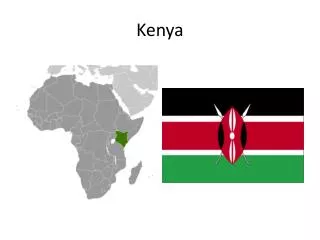
KENYA Courtesy; Eric Orlason
Country Profile -/1 Approximately total area of 591,958 sq km with 8.01% arable land (expandable under irrigation) Population 48.46 million (July 2016 est.) (Source World Bank 2016)
Country Profile -/2 • Official language is English, National language Kiswahili. Over 43 ethnic dialects • Trade – Exports • Agriculture 53.1 % • Manufactured goods – 31 % • Fuel & Mining 14.3% • Imports • Agriculture – 12.5% • Manufatcure – 68.5%
Growth in ICT usage Mobile cellular • Mobile-cellular subscriptions 37.8 million by 2016 - 88.1% Internet • Internet access and usage 74.2% • (Kenya Communications Commission)
Institutional Organization Ministry of Agriculture, Livestock & Fisheries Livestock Directorate (PS) Agric. Directorate (PS) Fisheries Directorate (PS) Agriculture, Fisheries & Food Authority (DG) KEPHIS (Competent Authority ) PS – Permanent Secretary DG – Director General Director – Managing Director
KEPHIS – Functions • Plant Quarantine services • Inspection and certification service • Seeds and plant Variety regulation • Plant health Clinics • Trade facilitation • Analytical Chemistry Laboratory services • Training and Capacity Building (Center of Phytosanitary Excellence)
Electronic Certification System (ECS) –Kenya To access kephis system go to;http://ecs2.kephis.org
System functions • Exporter registration • Create certificates (phyto, re-export, xml & conformity) • Data collection and report generation • Partial financial management • Integration with National Single Window System • Efficiency monitoring – Time log and response
Kenya’s E-cert -lessons learned -/1 • National legal framework to enable electronic trade, political good will • Due consideration of Existing legislation/ international treaties and agreements is critical • Level of industry development – large scale vs. small scale • Institutional capacity – competence, skill, personnel, infrastructure
Kenya’s E-cert -lessons learned -/2 • Institutional organization – other government agencies involved in certification process • Stakeholders – consider their interest that would be affected by e-certification • Agreement on technology and method of implementation both is critical • Electronic exchange of data is significantly more efficient, convenient and secure than printed certificates
Kenya’s E-cert - lessons learned -/3 • Considerable investment required to deal with non-standard data requirements • Updating the systems, notification of system outages, handling support issues, etc.) • Integration of multiple languages and time zones • A transition period and fallback plan is essential
Challenges • Understanding of the ePhyto concept within the NPPO • Configuration of the national system to link with the Hub • Limited financial resources
Ahsanteni – Thank you Contact Information The Managing Director Kenya Plant Health Inspectorate Service Po Box 49592 00100 Nairobi director@kephis.org www.kephis.org