

SlideServe
Menu
Préférences
© SlideServe · v2026

Chinese Art

cain avatar
15 diapositives · 1.5K Views · Jul 30, 2014

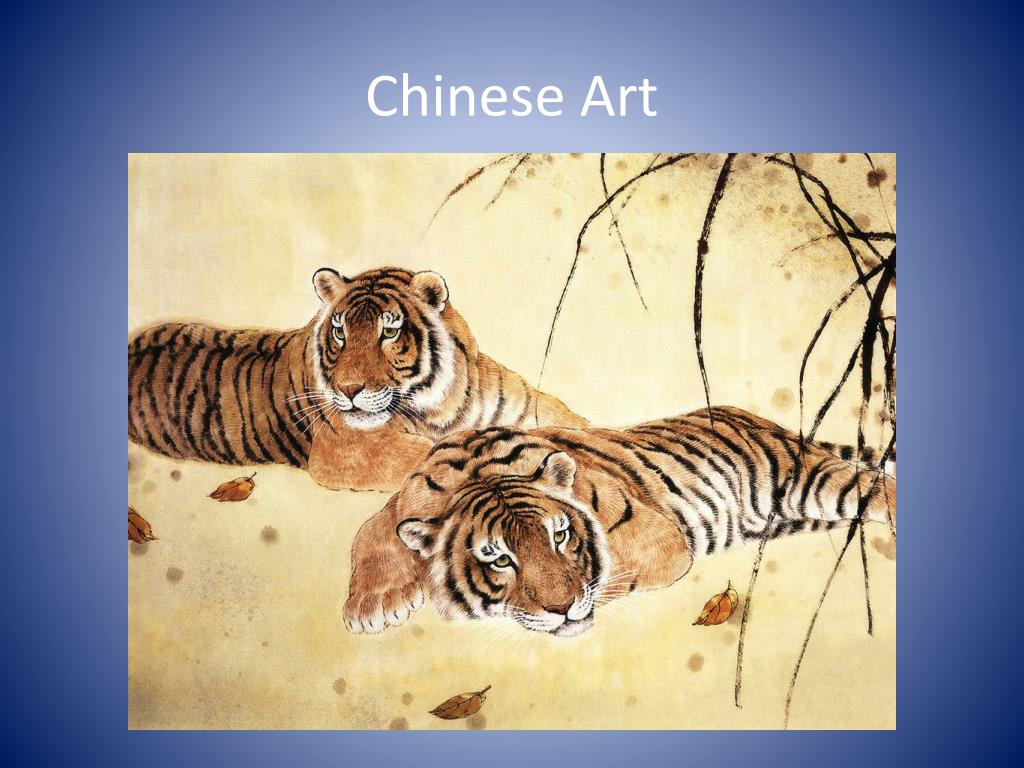
Chinese Art . Use OPTICS . What common theme do you see in the previous two paintings? What does this tell you about Chinese culture? . Dragon . Pagodas.
Chinese Art - slide 1
01 / 15Chinese Art
1 / 17

Télécharger la présentation

Chinese Art
Une image / un lien ci-dessous est fourni (tel quel) pour télécharger la présentation

Politique de téléchargement : le contenu du site vous est fourni TEL QUEL pour votre information et votre usage personnel ; il ne peut être vendu, concédé sous licence ni partagé sur d’autres sites sans l’accord de son auteur.Le contenu vous est fourni TEL QUEL, pour votre information et votre usage personnel uniquement. Téléchargez la présentation en cliquant sur ce lien. Lors du téléchargement, si vous ne parvenez pas à télécharger une présentation, l’éditeur a peut-être supprimé le fichier de son serveur.Pendant le téléchargement, si vous ne parvenez pas à obtenir une présentation, le fichier a peut-être été supprimé par l’éditeur.

F I N

Plus de contenu associé

Transcription de la présentation
  1. Chinese Art

  2. Use OPTICS

  3. What common theme do you see in the previous two paintings? What does this tell you about Chinese culture?

  4. Dragon

  5. Pagodas

  6. Look at the Great Wall of China and evaluate what was important to the Chinese people. What difficulties could have been experienced while building the Wall?

  7. Great Wall of China

  8. Chinese Calligraphy – Why is this considered art?

  9. Confucius • Confucius was a Chinese philosopher, whose teachings and philosophy have deeply influenced Chinese, Korean, Japanese, Taiwanese and Vietnamese thought and life. His philosophy emphasized personal and governmental morality, correctness of social relationships, justice and sincerity. http://listverse.com/2009/02/27/top-20-wise-quotes-of-confucius/

  10. Confucianism • Often debated as to whether or not a religion because there is no deity (higher being) or consideration for afterlife.

  11. Confucius Sayings • 1. Everything has its beauty but not everyone sees it. • 2. Ignorance is the night of the mind, but a night without moon and star. • 3. It does not matter how slowly you go so long as you do not stop. • 4. Our greatest glory is not in never falling, but in getting up every time we do. • 5. What the superior man seeks is in himself; what the small man seeks is in others.

  12. Daoism (Taoism) • Laozi • Indigenous to China. Began around 6th century BC. • Chinese philosopher Laozi • Believe in practicing “The Way” which is the truth in the universe. • The Way governs nature and is the manner in which all should live. • Today, practice healthy living and vegetarianism. Focus on meditation, breathing and reciting verses.

  13. Daoism: Yin-Yang Symbol • The Yin-Yang symbol represents that there are no extremes. Nothing is all good or all evil. They exist together like negative and positive. • White = Yang which is strength and activity • Black = weakness and passivity • All nature is balanced between the two.

  14. Conflicts with Buddhism • Unlike Buddhists, Taoists (Daoists)do not believe that life is suffering. • Competed for political influence and the right to be official religion of the Imperial Court • Lost many debates with Buddhists in 1281 AD. – Taoists texts were burned. • DID YOU KNOW: Duringthe Cultural Revolution (1966-1976), Mao had many Daoists’ temple destroyed.

  15. Taiwanese Art – Compare themes with Chinese art? Why the similarities?