Understanding Hurricanes: Formation, Structure, and Impact on Coastal Areas
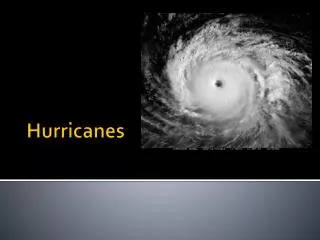
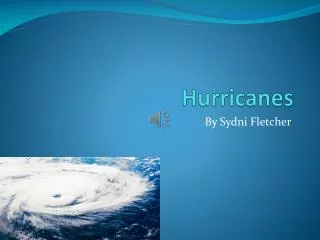
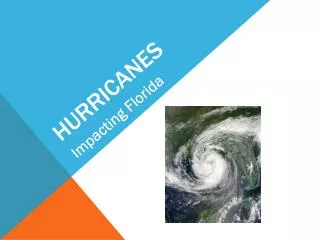
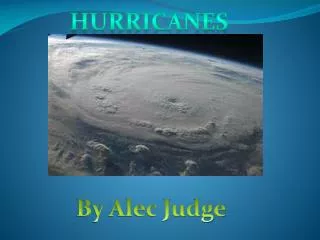
Hurricanes are large storms that develop over oceans near the equator and can span up to 500 miles with winds ranging from 75 to 200 miles per hour. They feature a calm center known as the 'eye,' surrounded by powerful winds. The devastating winds and heavy rains often cause significant damage to islands and coastal regions. Understanding hurricanes is crucial for preparedness and disaster management, as their impact can be catastrophic for affected areas.


Understanding Hurricanes: Formation, Structure, and Impact on Coastal Areas
E N D
Presentation Transcript
Hurricanes Devante Lewis Phantasiah Alexander
Hurricanes Are large storms that form over an ocean near the equator.
A Hurricane can BE 500 miles across and have winds of 75 to 200 miles an hour.
Inside the eye of a hurricane, it is calm. There is no wind. Since hurricanes form over oceans, they often damage islands and coastal areas with • Their high winds and heavy rains.