

SlideServe
Menu
Préférences
© SlideServe · v2026

Fermentation

cisco avatar
13 diapositives · 1.1K Views · Dec 21, 2012

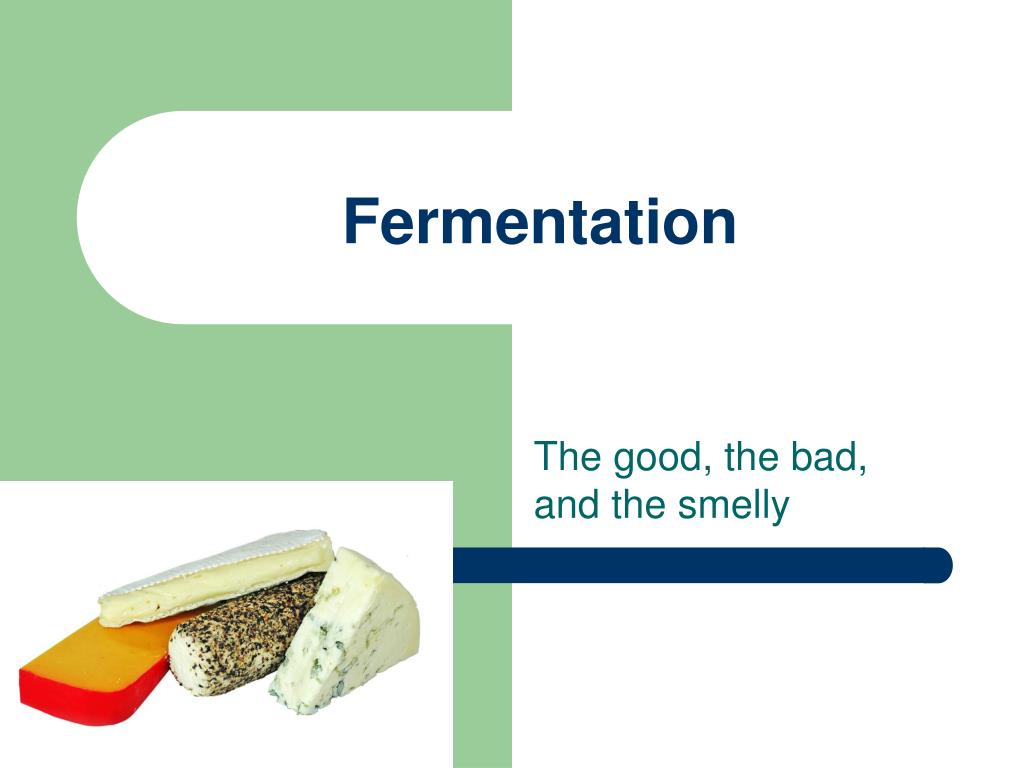
Fermentation. The good, the bad, and the smelly. History of Fermentation. Age old applications: Wine/ Beer/ Spirits Cheese and Yoghurt Louis Pasteur: Hypothesised that bacteria spoils wine Suggested that wine be heated to kill bacteria Hence: pasteurization of milk.
Fermentation - slide 1
01 / 13Fermentation
1 / 17

Télécharger la présentation

Fermentation
Une image / un lien ci-dessous est fourni (tel quel) pour télécharger la présentation

Politique de téléchargement : le contenu du site vous est fourni TEL QUEL pour votre information et votre usage personnel ; il ne peut être vendu, concédé sous licence ni partagé sur d’autres sites sans l’accord de son auteur.Le contenu vous est fourni TEL QUEL, pour votre information et votre usage personnel uniquement. Téléchargez la présentation en cliquant sur ce lien. Lors du téléchargement, si vous ne parvenez pas à télécharger une présentation, l’éditeur a peut-être supprimé le fichier de son serveur.Pendant le téléchargement, si vous ne parvenez pas à obtenir une présentation, le fichier a peut-être été supprimé par l’éditeur.

F I N

Plus de contenu associé

Transcription de la présentation
  1. Fermentation The good, the bad, and the smelly

  2. History of Fermentation Age old applications: • Wine/ Beer/ Spirits • Cheese and Yoghurt Louis Pasteur: • Hypothesised that bacteria spoils wine • Suggested that wine be heated to kill bacteria • Hence: pasteurization of milk

  3. Extended shelf life of food (ex. Cheese) Eases Digestion (ex. Wild rice) New [better] flavours (ex. Chocolate) Can be unpredictable (i.e. bad bacteria win the battle) New [worse] flavours (ex. Mouldy bread tastes terrible) Fermentation’sPros and Cons

  4. Aerobic respiration release of energy from glucose or another organic substrate in the presence of Oxygen CO2, H2O, an energyproduced Anaerobic respiration release of energy from glucose or another organic substrate in the absence of Oxygen Products: CO2, energy, and alcohol or various organic acids The Process

  5. Fermentation Definition: Anaerobic respiration of food by micro organisms Types of fermentation: • Bacterial fermentation • Yeast fermentation • Mold and Enzyme fermentation

  6. Lactic Acid Bacteria (pickles, sauerkraut) Acetic Acid Bacteria (vinegar) Carbon Dioxide Bacteria (Edam, Gouda, Swiss) Proteolytic Bacteria (cocoa, chocolate) bacteria 1. Bacterial Fermentation (4 types)

  7. Glu Ethyl alcohol + CO2 Best temperature: 27 degree C (warm) Other sugars will ferment (mal, suc, fru) Too much salt ruins the process When baking: follow the recipe 2. Yeast Fermentation

  8. 3. Mold and Enzyme Fermentation • Enzymes in Mold can be useful: -Break down cellulose thus grains easier to chew -Add flavour and texture to cheeses (ex- blue)

  9. Dates back to Middle east 3000 bc Fermentation of grapes Scientific process yet so many variables Growing years affect vintages Wine

  10. Coffee beans fermented by bacteria and enzymes (2 methods): Wet Method: soaked for 12-24 hours and dried Dry Method: washed then dried for 2-3 weeks Coffee

  11. 3000 AD (at the latest)- Cultivated in China Rolled leaves begin to ferment Lets stand at 27 degree C for 2-3 hrs Types: Green, Oolong, Black Tea

  12. 1.5 million tons cocoa produced each year Supply: W. Africa Produced: S. America Enzyme fermentation in the sun via proteolytic bacteria Bitter beans become sweeter and brown Chocolate

  13. Fermentation around the world • Food, drink, sauces, et cetera